This resource explores how Montessori education integrates nature and meaningful real-world encounters into the learning environment. By stepping outdoors and interacting with natural elements, children are encouraged to develop critical thinking and observational skills in an organic way. These experiences nurture a deeper understanding of ecological systems and strengthen connections to their community and surroundings. Educators can use this guide to design activities that spark curiosity and encourage students to explore beyond the classroom. The document also provides strategies for turning everyday environments into immersive learning spaces that inspire discovery and resilience through outdoors engagement.
Introduce young learners to the wonders of geography with Exploring Our World, a Montessori lesson designed for 4-year-old #students. This hands-on activity encourages children to #develop spatia... Read more
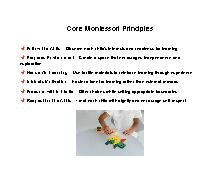
The Core Montessori Principles Poster serves as a visual guide to the foundational concepts of the Montessori educational approach, emphasizing child-centered learning and independence. It highligh... Read more
Curious about Montessori education? This short guide explains the key parts of a Montessori classroom, including the prepared environment, hands-on materials, mixed-age groups, uninterrupted learni... Read more
Here’s a simple, hands-on Montessori activity you can use at #home or in the #classroom. Practical Life activities help children build focus, independence, and coordination while also giving th... Read more
Music and rhythm are natural ways for young children to connect with their environment, their bodies, and each other. In Montessori, music isn’t about memorizing songs—it’s about exploration,... Read more
Guacamole is more than a tasty snack—it’s a fun, hands-on Montessori activity that brings children into the heart of Hispanic #culture. By preparing this dish, children practice real-life skil... Read more
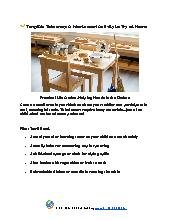
Practical Life Station: Helping Hands in the Kitchen
Create a small area in your kitchen where your #toddler can participate in real, meaningful tasks. This doesn’t require fancy materials—ju... Read more
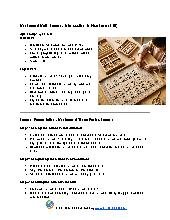
The Montessori Math Lesson: Introduction to Numbers (1-10) provides young learners with a multisensory approach to understanding numbers. Using tactile materials such as Sandpaper Numbers, counting... Read more
Burnout often arises when a #teacher’s care for children exceeds their care for themselves. In Montessori environments—where emotional presence, observation, and prepared environments demand c... Read more
The Sibling Story Jar is a fun and meaningful way to help children share feelings, celebrate kindness, and practice communication with one another. Inspired by Montessori principles of respect and... Read more
The Story Basket is a hands-on way to bring oral storytelling to life in the Montessori environment. By combining simple objects with spoken words, children engage their senses, imagination, and me... Read more
Music is an essential part of Hispanic #culture, from lively salsa and merengue to soothing lullabies and folk songs. This activity invites children to explore rhythm, movement, and cultural expre... Read more
The Leaf Sorting & Color Matching activity brings the beauty of autumn right into the Montessori #classroom. Children #explore-nature’s variety by collecting and examining colorful leaves, then... Read more
When families engage in their #children's education, they are helping to prepare them for school. By providing educational experiences and activities that #support_learning, children are better equ... Read more
The DIY Sandpaper Number Guide is a hands-on Montessori-inspired activity designed to help children develop tactile recognition of numbers. By tracing the rough surface of sandpaper numbers, childr... Read more
#Family_engagement and ongoing #child_assessment are essential components of children's education and development. Family involvement in their child's assessment provides valuable insight into thei... Read more