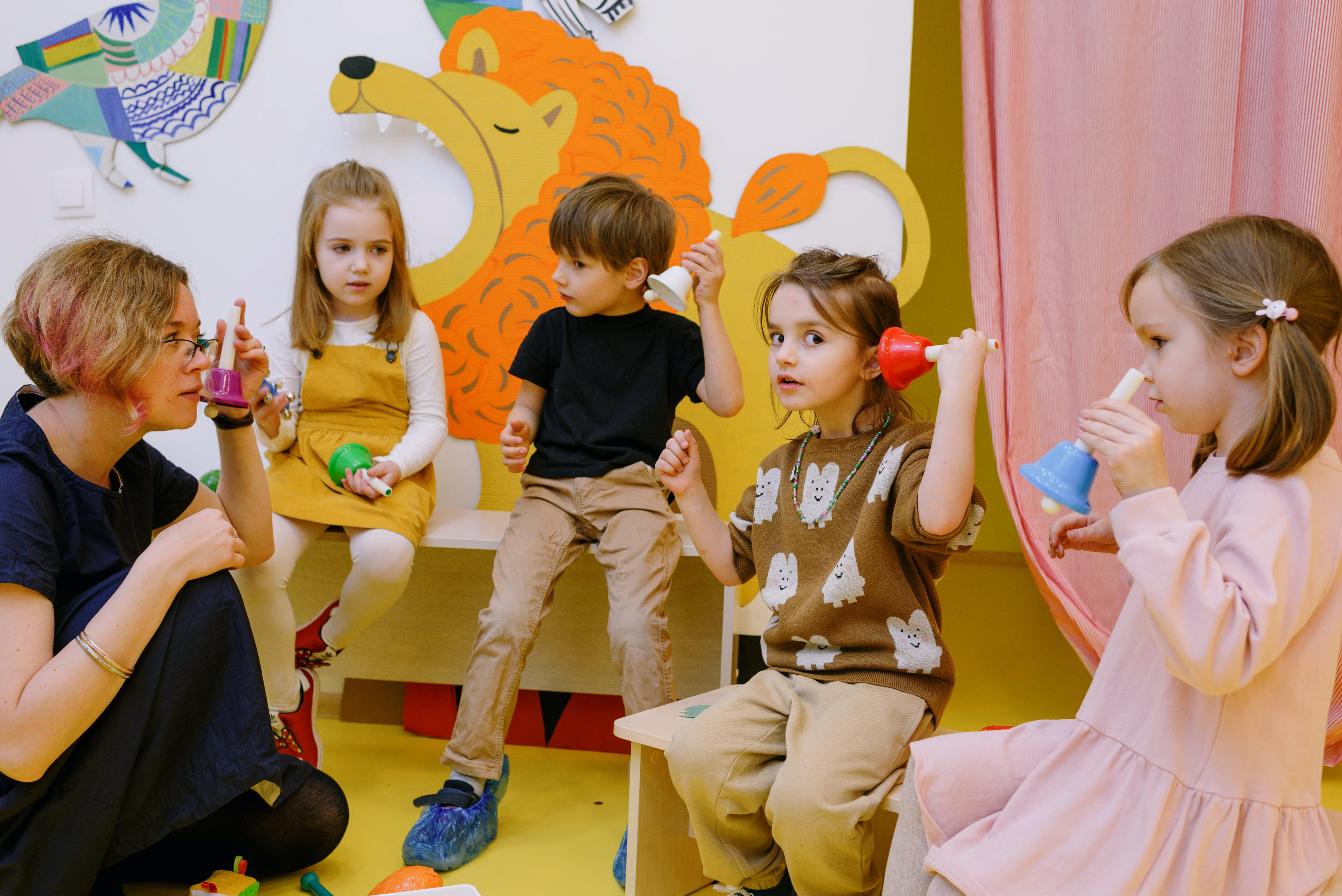
 Creating a joyful, empowering #early-learning environment begins long before children enter the #classroom. It starts with the adults — the caregivers, #teachers, and #staff who shape the emotional climate every day. When we talk about a “Yes Environment,” we’re talking about more than physical space. We’re talking about a mindset: one that embraces possibility, encourages independence, and supports both children and the team behind them.
A “Yes Environment” is rooted in trust, curiosity, and thoughtful preparation. Instead of focusing on what children can’t do, #educators design spaces and routines that highlight what children can do. The result? Learning feels natural, exploration feels welcomed, and classroom life becomes more peaceful and intentional. But this environment doesn’t arise on its own—it grows through collaboration, shared values, and consistent professional #development.
Interactive care courses and Montessori-inspired learning tools offer a powerful path to building this positive team #culture.
🌱 What Is a “Yes Environment”?
A “Yes Environment” is a space where children are encouraged to act independently within #safe, purposeful boundaries. Rather than constantly hearing “No,” children experience environments that say:
-
“Yes, you can explore here.”
-
“Yes, you can try that yourself.”
-
“Yes, you are capable.”
Educators support autonomy by preparing materials, modeling skills, and observing rather than intervening too quickly. This approach not only strengthens confidence but also #nurtures responsibility, concentration, and joy.
This philosophy shines beautifully in Practical Life activities—simple tasks that help children practice skills they’ll use throughout their lives. A deeper look into this can be found in the article 👉 “Montessori Magic: Bringing Practical Life Skills to Life Through Play”: For practical, age-appropriate chore ideas families can use to reinforce independence at home, see the article Montessori at Home: Chores That Empower.
Here, teachers discover how #play and real-world tasks blend seamlessly to create meaningful learning experiences.
🤝 The “Yes Environment” for Teachers & Teams
A classroom culture of “Yes” must be mirrored by a team culture of “Yes.”
Educators thrive in workplaces where:
-
Their ideas are welcomed
-
Collaboration is encouraged
-
Professional #growth is supported
-
Mistakes are seen as opportunities, not failures
-
Team members trust one another
When teachers feel empowered, they naturally pass empowerment on to children.
This is where structured learning and interactive care courses become game-changing. They not only build skills but also unify a team under shared principles and expectations.
A valuable resource for strengthening this shared approach is 👉 “A Practical Guide for Montessori Teachers”:
This guide encourages teachers to balance high-quality care with self-care—an essential component of sustaining a positive, long-lasting team culture.
🧰 Building the Environment: Training That Transforms Teams
Creating a “Yes Environment” isn’t just about lowering shelves or adding child-sized tools. It’s about understanding how to design a space that invites independence, maintains order, and reflects intentional teaching.
Many educators find clarity and inspiration through the course 👉“Mastering the Montessori Prepared Environment  Buy Now $16.00”:
This course offers insights such as:
-
How to set up classroom areas that promote exploration
-
Why material placement affects behavior and engagement
-
How routines and environments work together to create harmony
-
How teachers can use observation to fine-tune their space
When entire teams take part in the same training, the classroom becomes more consistent, predictable, and supportive for children. It also strengthens communication among staff, as everyone speaks the same educational “ #language.”
🌟 How a “Yes Environment” Strengthens Team Culture
A positive work culture doesn’t just happen—it’s built intentionally.
When teams embrace the “Yes Environment” philosophy, they often experience:
✔ Reduced stress
Clear expectations and prepared environments mean fewer behavioral struggles and more joyful learning moments.
✔ Better communication
Shared training gives teams common strategies and vocabulary.
✔ Increased creativity
With a foundation of trust, teachers feel safe to try new activities and approaches.
✔ Stronger relationships
Empowerment fosters respect — among children, educators, and leadership.
✔ Higher job satisfaction
When educators feel supported, valued, and inspired, they stay motivated and engaged.
This ripple effect extends to families, administrators, and most importantly, children.
🎉 Saying “Yes” to Growth
A “Yes Environment” is both a mindset and a practice. It encourages children to explore, teachers to collaborate, and teams to grow with intention. With the help of interactive care courses and supportive resources — like the Montessori article, guide, and course above — educators can create spaces where everyone feels uplifted and empowered.
📲 Follow Us for More Child Care Tips & Inspiration!
Stay connected, get daily inspiration, and explore even more Montessori resources by following us on social media. We share ideas, activities, and professional development tools to support your journey!
