 Understanding the Emotional Landscape of Today’s Child
Children today are growing up in an age of information—and often, that means constant exposure to news about climate change, pollution, and #natural-disasters. Many #educators are noticing a rise in what psychologists call eco-anxiety: the fear and worry about the planet’s future. Even #preschoolers may #express sadness over “hurting the Earth” or concern for animals and forests.
For child care providers and Montessori educators, this emotional awareness can feel both inspiring and overwhelming. We want children to care deeply, yet we also want them to feel #safe and capable. Montessori’s philosophy offers a timeless framework for addressing this balance—by nurturing peace, curiosity, and connection through purposeful work and respect for nature.
Montessori’s Approach to Connection, Not Control
Maria Montessori believed that children are naturally drawn to the rhythms of the earth. Her cosmic curriculum—introduced in the elementary years—helps children understand their role in the grand story of life. But even in #early-childhood settings, the seeds of this awareness can be planted through simple experiences: caring for plants, observing insects, or exploring natural materials.
In her course Understanding Maria Montessori’s Approach to Child Development  Buy Now $55.00, educators learn that Montessori’s core belief was that children grow best when they feel part of something larger. When we apply this idea to environmental education, the goal isn’t to overwhelm children with facts about crises—it’s to awaken their sense of purpose and belonging in the world around them.
Guiding Natural Learning Through Sensitive Periods
Every Montessori educator understands the importance of sensitive periods—those unique windows of #development when children are especially open to learning specific skills or concepts. Environmental awareness, #empathy, and care for living things often emerge naturally during the early years.
The Sensitive Periods in Montessori: Guiding Natural Learning Buy Now $16.00 course explores how to recognize these moments and use them as opportunities to foster meaningful connections with nature. For example:
-
When a child shows fascination with watering plants, extend that into learning about plant life cycles.
-
When a child is captivated by rocks or leaves, introduce sorting and classification lessons.
-
When children want to clean, connect it to caring for the environment—sweeping not just for order, but for respect for their space.
By following the child’s natural interests, educators guide them toward curiosity and stewardship rather than fear.
Building Peaceful Classrooms Through Environmental Connection
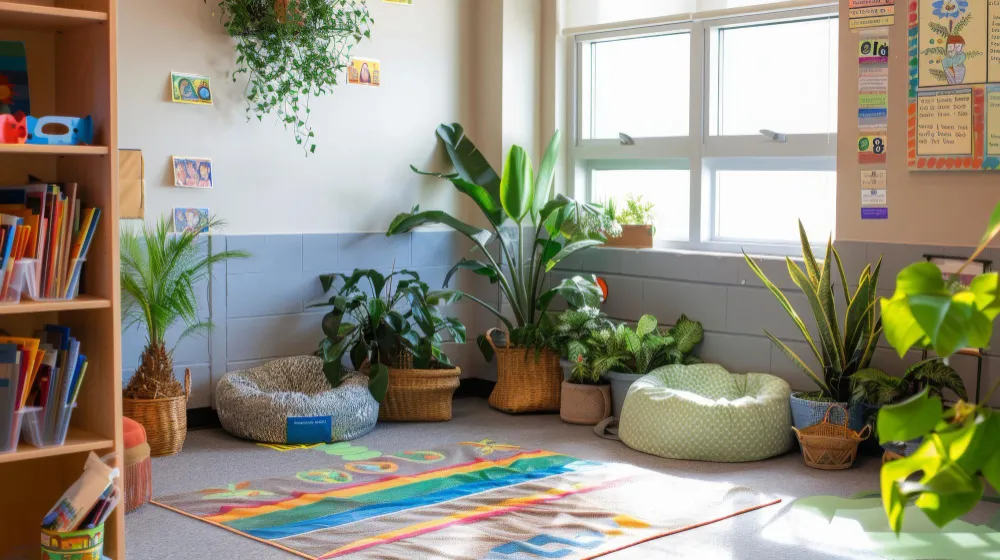
Montessori #teachers often describe their #classrooms as “prepared environments.” This doesn’t just mean neat shelves or beautiful materials—it means environments that #nurture both the mind and the heart. When we design classrooms with natural light, real plants, and materials made from wood, metal, and fabric, we send a quiet message: The world is worth caring for.
The Montessori Foundations course Buy Now $10.00 reminds us that Montessori education is peace education. When children engage in purposeful activities—like recycling paper, feeding classroom pets, or sorting seeds—they are practicing mindfulness and responsibility. They learn that small actions matter, and that even tiny hands can make a big difference.
Turning Anxiety Into Empowerment
So how does Montessori actually heal environmental anxiety?
By shifting the focus from fear to agency.
Instead of telling children what’s wrong with the planet, Montessori invites them to discover what they can do right now. Through hands-on exploration, children experience cause and effect directly. When they water a plant daily and see it thrive, they learn the profound lesson that care #leads to life. This deep connection builds confidence and hope—two powerful antidotes to anxiety.
Here are a few ways Montessori teachers can turn environmental worry into positive action:
-
Create an “Earth Care Corner.” Include plants, rocks, or small recycling tasks.
-
Practice gratitude rituals. Begin each day with appreciation for nature’s gifts.
-
Tell peace stories. Share #books or stories where humans work with nature, not against it.
-
Celebrate nature’s rhythms. Observe the seasons, track the #weather, or follow the moon cycles.
Each of these practices helps children see the Earth as an ally, not a source of fear.
A Daily Resource for Calm: The Morning Message Card Exchange
One simple way to nurture peace and environmental mindfulness each morning is through the Morning Message Card Exchange Buy Now $0.00. This activity encourages teachers to share uplifting, nature-centered affirmations and messages that spark joy and curiosity. Starting the day with a gentle reflection—like “What can we notice in nature today?”—helps ground children emotionally and sets a tone of calm awareness.
Bringing Montessori Peace Home
Environmental awareness doesn’t stop at the classroom door. Families often want guidance on creating the same sense of peace and rhythm at #home. You can share the article What if Every Day Felt Peaceful? A Montessori Rhythm for Home with #parents to help them extend Montessori-inspired calm into family routines. For practical, family-friendly activities and simple sustainability ideas to share with parents, see April 22nd Is Earth Day, a short guide to celebrating Earth Day with young children and extending environmental care at home.
By bridging school and home, educators strengthen the message that caring for the Earth begins with caring for ourselves and our surroundings.
The Benefits for Child Care Providers
By exploring Montessori’s approach to nature and peace education, child care providers gain:
-
A deeper understanding of how to turn environmental topics into empowering lessons.
-
Tools to reduce anxiety in both children and themselves through mindful routines.
-
Strategies to connect #classroom-activities to larger environmental themes in age-appropriate ways.
-
Confidence in guiding children toward compassion, responsibility, and sustainability.
Ultimately, Montessori shows us that peace education and environmental education are one and the same. By grounding children in love and connection, we nurture the next generation of caretakers for our planet.
Stay Inspired 🌸
Follow ChildCareEd for more Montessori tips, training opportunities, and inspiring classroom ideas:
👉 Instagram: @childcareed
- Embracing Observation and Mastery
- Focus on Nature and Real-World Experiences in Montessori Education
- Understanding Peer Learning in Montessori Education
- Motivation’s vital role in how children engage with learning
- Raising the Montessori Way: A Family Win
- Can Montessori Math Unlock a Love of Numbers?
- 🌱 Can Montessori Help Heal Environmental Anxiety in Today’s Children?
- 🌻 What Does Montessori Burnout Look Like—and How Can We Prevent It?
