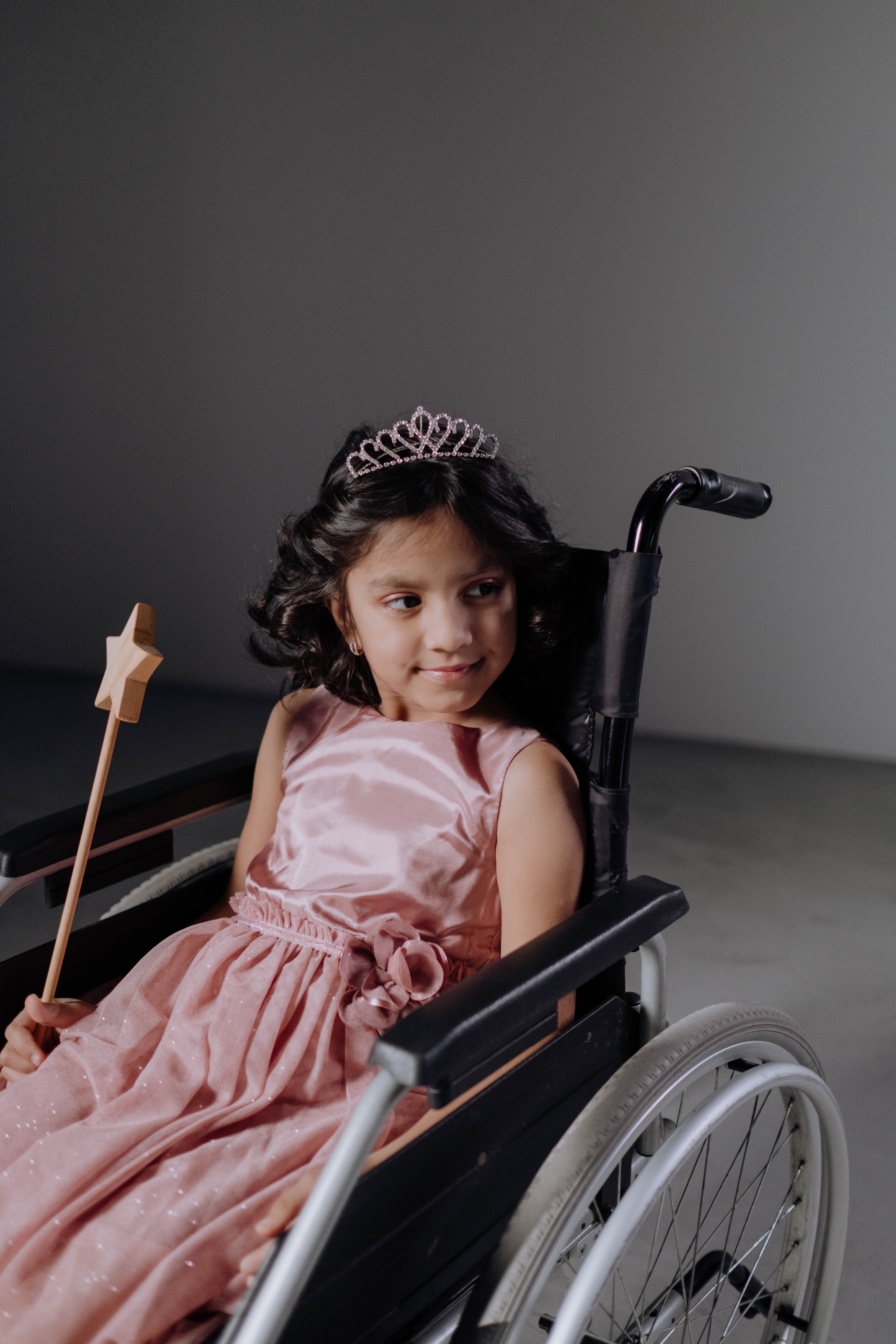
 Ensuring inclusivity in #early-childhood-education is essential to creating a learning environment where every child, regardless of their abilities, can thrive. The Montessori method, #developed by Dr. Maria Montessori, is widely recognized for its adaptability to diverse learning needs, making it an excellent approach for children with #developmental- #delays, #sensory processing challenges, ADHD, autism spectrum disorder (ASD), learning disabilities, or giftedness.
Montessori education is rooted in respect for each child’s unique abilities, self-paced learning, and hands-on experiences, allowing children to develop confidence, independence, and a love for learning. This article explores how the Montessori method supports children with different learning needs and fosters an inclusive #classroom-environment.
Montessori’s Philosophy of Inclusion
Dr. Maria Montessori believed that all children have the potential to learn and succeed, regardless of their abilities or challenges. Montessori education naturally embraces inclusivity by offering a learning environment that adapts to the individual needs of each child.
Key Montessori Principles That Support Inclusivity:
- Child-Centered Learning: Each child learns at their own pace, rather than being expected to keep up with a standardized curriculum.
- Hands-On, Multi-Sensory Materials: Montessori materials engage visual, auditory, and kinesthetic learners, making learning more accessible.
- Freedom Within Structure: Children can explore activities independently while still following a structured routine that provides a sense of security.
- Respect for Individual Strengths: Instead of focusing on a child’s challenges, Montessori education builds on their strengths, encouraging a positive learning experience.
Would you like to learn more about Montessori inclusivity? Enroll in Inclusive Montessori: Supporting Diverse Learners in the Classroom  Buy Now $16.00 training course to develop skills for working with children of all abilities.
How Montessori Supports Children with Diverse Learning Needs
Montessori #classrooms are uniquely suited to meet the needs of children with special learning needs through individualized instruction, sensory-rich environments, and flexible learning approaches.
Children with Developmental Delays
- Hands-On Learning: Practical life activities, such as pouring, spooning, and buttoning, help strengthen fine motor skills.
- Repetition for Mastery: Children can repeat activities as many times as needed, reinforcing learning without pressure.
- Self-Correcting Materials: Montessori materials provide instant feedback, helping children recognize mistakes and correct them independently.
Children with Autism Spectrum Disorder (ASD)
- Predictable Routines: A structured, consistent routine reduces anxiety and supports children who thrive on repetition.
- Minimal Sensory Overload: Montessori classrooms use neutral colors, natural lighting, and uncluttered spaces, creating a calm and soothing environment.
- Grace and Courtesy Lessons: Montessori #teachers model social interactions, turn-taking, and conflict resolution, helping children develop social skills.
Children with ADHD (Attention Deficit Hyperactivity Disorder)
- Freedom of Movement: Unlike traditional classrooms that require children to sit for extended periods, Montessori allows movement-based learning, helping children stay engaged.
- Engaging, Multi-Step Tasks: Montessori activities, like the pink tower or movable alphabet, require focus and problem-solving, improving attention and concentration.
- Choice-Based Learning: Instead of forcing participation in specific activities, children choose tasks they are interested in, increasing motivation and self-regulation.
Children with Sensory Processing Challenges
- Multi-Sensory Materials: Sensory-based activities, like textured letters, water #play, and sound cylinders, help children explore and regulate sensory input.
- Quiet, Calm Learning Environment: Montessori classrooms minimize unnecessary distractions, allowing children to focus better.
- Practical Life Activities: Tasks such as pouring, sorting, and food preparation help children develop sensory integration skills.
Gifted and Advanced Learners
- Self-Paced Learning: Montessori allows children to move ahead in subjects without waiting for peers to catch up.
- Deep Exploration of Interests: Gifted children can explore subjects in-depth, fostering a lifelong love of learning.
- Peer Mentorship: Older or advanced #students can help younger classmates, reinforcing their own knowledge while building leadership skills.
Would you like access to Montessori learning materials for diverse learners? Visit Montessori4Teachers.com for specialized resources such as this Puffy Paint lesson
The Role of the Montessori Teacher in an Inclusive Classroom
Montessori teachers play a crucial role in fostering an inclusive learning environment by acting as guides and facilitators, rather than traditional instructors. Their role includes:
- Observing and Individualizing Learning: Teachers assess each child's progress and adapt lessons to fit their developmental stage.
- Providing Multi-Sensory Experiences: Montessori teachers offer materials that cater to different learning styles (visual, auditory, kinesthetic).
- Encouraging Collaboration: Mixed-age classrooms promote peer learning, helping children develop social and leadership skills.
- Creating a Judgment-Free Zone: Mistakes are viewed as part of learning, and children are encouraged to explore and discover at their own pace.
- Supporting Social-Emotional Development: Teachers provide gentle guidance in social interactions, helping children build confidence and communication skills.
Want to learn more about teaching strategies for an inclusive Montessori classroom? Read Montessori and Special Needs: A Holistic Approach to Inclusive Learning for practical insights.
Why Montessori is a Model for Inclusive Education
Montessori classrooms naturally integrate inclusive teaching practices, making them ideal for children with diverse learning needs. Here’s why Montessori is considered a model for inclusivity in #early-childhood education:
✅ Personalized Learning Paths: Children are not expected to follow a rigid curriculum; instead, they learn at their own pace.
✅ Multi-Sensory and Experiential Learning: Montessori materials engage multiple senses, helping all children access learning in a way that works for them.
✅ Calm and Predictable Environment: Reducing sensory overload and fostering focus and independence.
✅ Respect for Each Child’s Abilities: Instead of labeling children based on their struggles, Montessori celebrates their strengths.
✅ Encourages Social and Emotional Growth: Montessori classrooms emphasize grace, courtesy, and self-regulation, teaching valuable life skills.
Would you like to explore how Montessori can support children of all abilities? Check out Montessori training courses to get started.
Final Thoughts: A Holistic Approach to Inclusion
Montessori education is not just about academics—it is about fostering independence, confidence, and self-motivation in every child. Through individualized learning, hands-on exploration, and a calm, structured environment, Montessori classrooms provide an inclusive space where children of all abilities can thrive.
Whether your child is neurodivergent, gifted, or faces learning challenges, Montessori’s flexible and child-centered approach ensures that every child is valued and supported in their learning journey.
Would you like personalized recommendations on adapting Montessori for your child’s needs? Let us know—we’d love to help! 😊
Stay Connected!
For more insights on Montessori education and inclusive learning, follow us on social media!
📌 Follow us on Instagram: ChildCareEd Instagram
Montessori’s inclusive philosophy ensures that every child has the opportunity to learn, grow, and succeed in a respectful, nurturing environment. By embracing individual differences, Montessori education helps all children develop their full potential while fostering a love of learning.
- Montessori Education vs. Traditional Preschool
- Is Montessori Really for All?
- Understanding Normalization in Montessori Education
- Understanding Montessori Materials
- The Montessori Classroom: Fostering Independence and a Love for Learning
- Montessori For All
- Challenges in Implementing Montessori Practices
- Teaching the Montessori Way: A Guide for Educators
- Montessori & You: A Perfect Match?
