Celebrate Hispanic Heritage Month by bringing the flavors, colors, and traditions of Hispanic cuisine into the Montessori classroom or home kitchen. Cooking offers children a meaningful way to explore culture while building independence, coordination, and practical life skills.
For ideas on creating developmentally appropriate cooking experiences, explore Cooking up Success in the Preschool Curriculum Buy Now $25.00 and Food Preparation and Nutrition  Buy Now
 $32.00$26.00. You can also learn more about the importance of hands-on learning in Montessori education.
So, how can Hispanic cuisine inspire Montessori learning? Let’s dig in.
How Do Food Activities Support Montessori Learning?
Montessori #classrooms thrive on real work—activities that children see adults doing in daily life. When a toddler pours water or a preschooler slices fruit with a safe knife, they are not pretending. They are practicing skills that develop #coordination, concentration, and responsibility.
Food preparation activities are especially powerful because they are sensory-rich (taste, smell, touch, sight, and sound) and meaningful. And when these activities connect to cultural traditions, like Hispanic cuisine, they also teach respect, diversity, and global awareness. For more ideas about the role of real work in Montessori learning, see the purpose of Practical Life in Montessori education.
How Can Children Make Guacamole Together?
Here’s a simple, hands-on activity you can try with children that blends Montessori principles with Hispanic cultural celebration:
Montessori Guacamole Buy Now $0.00 Station
What you’ll need:
-
2 ripe avocados
-
A small bowl and spoon
-
A child-safe knife or butter knife
-
Lime wedges
-
A sprinkle of salt
-
Optional: finely diced tomatoes or onions
Steps:
-
An adult should halve the avocado and remove the pit; invite children to work with the soft flesh using an age-appropriate utensil under close supervision.
-
Invite them to scoop the avocado into a bowl.
-
Demonstrate mashing with a fork, then step back and let them try.
-
Squeeze lime juice together and add a pinch of salt.
-
Mix, taste, and share!
This activity checks so many Montessori boxes: fine motor practice, sequencing steps, sensory exploration, and—best of all—community sharing when children enjoy their creation together.
How Can Cooking Connect Children With Culture?
When children learn that guacamole is a traditional dish with roots in Mexico, they begin to understand that food carries #history and identity. Teachers and parents can extend this by reading ways to celebrate Hispanic Heritage Month meaningfully and considering age-appropriate ways to honor Latino cultures in the classroom:
-
Reading picture books by Hispanic authors that highlight family meals.
-
Introducing Spanish vocabulary words for the ingredients (aguacate for avocado, limón for lime).
-
Sharing stories from families about how food brings them together.
This is how Montessori transforms a simple snack into a cultural celebration that respects and honors heritage.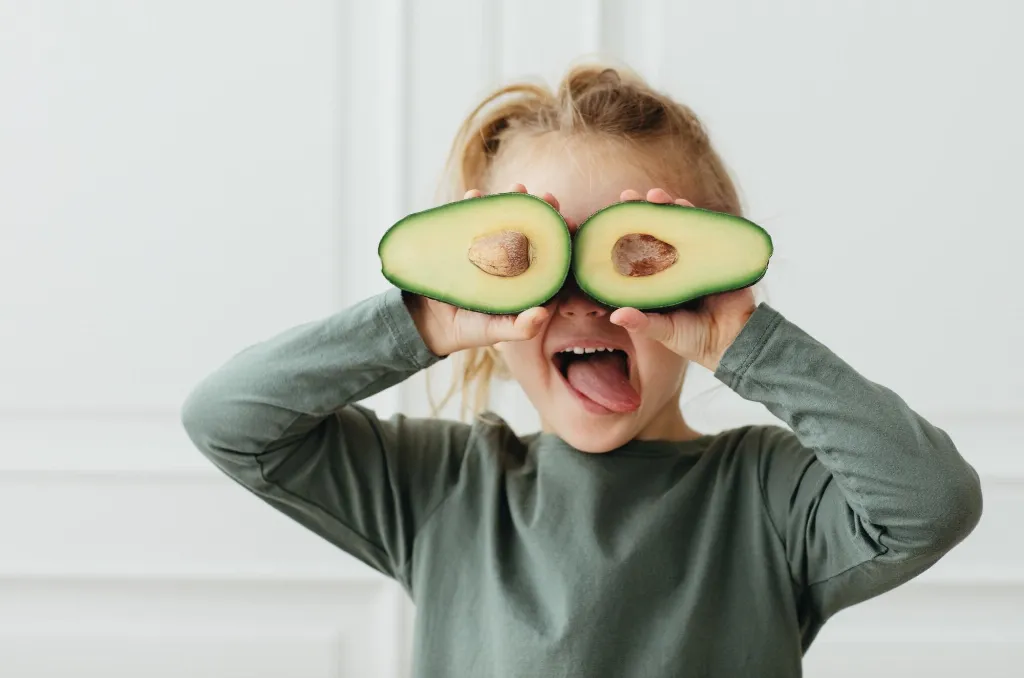
How Can Educators Make a Cooking Activity Inclusive, Safe, and Meaningful?
Before preparing food, ask families about children’s allergies, dietary restrictions, and food practices, and follow the program’s established health and safety procedures. Participation should be welcoming rather than compulsory: children can wash produce, arrange napkins, name ingredients, or observe if they prefer not to taste. Provide clean, appropriately sized tools and assign tasks according to each child’s motor skills and supervision needs. An adult should manage any cutting that is not appropriate for the child, and children should wash their hands before and after handling food.
Make the cultural learning specific rather than treating Hispanic cultures as one tradition. Explain that Hispanic and Latino communities include many distinct countries, histories, and foodways. Invite families to share a recipe, ingredient name, or story only if they wish; avoid asking one child or family to represent an entire culture. Use accurate books and materials, pronounce names respectfully, and connect the dish to the place and people being discussed. These choices help children explore culture with curiosity while protecting family privacy and affirming children’s identities.
For kindergarten-age children, extend the activity with concrete, developmentally appropriate questions: What changes when we mash the avocado? Which ingredients smell or feel different? How many spoonfuls did we add? Children can draw the steps, dictate a recipe card, compare ingredient textures, or sequence picture cards from preparation to serving. These extensions connect practical work with language, early mathematics, observation, and representation without turning the experience into a lecture.
Educators can extend this approach with thoughtful ways to explore Mexican culture beyond stereotypes.
How Can Educators Deepen Cultural Learning?
If you’re excited by the idea of weaving cultural traditions like Hispanic cuisine into your classroom, you’ll love the course Montessori Cultural Activities: Exploring the World Through Play and Learning. Buy Now $24.00
This course explores ways to bring geography, history, art, music, science, and global practices into early childhood education. You will learn how to:
-
Set up cultural activities that nurture curiosity and critical thinking.
-
Incorporate open-ended artistic and sensory-rich experiences.
-
Build early science skills through play and exploration.
-
Use language and literacy to connect children with different cultures.
It’s a practical, hands-on way to grow as an educator while enriching your classroom with meaningful cultural activities.
How Can a Guacamole Activity Support Kindergarten Learning?
For kindergarteners, the activity can become a brief, integrated inquiry that connects observation, prediction, and evidence-based explanation. Begin with an image of a whole avocado and invite children to describe its color, shape, and texture. After an adult opens the fruit, children can compare its peel, seed, and flesh, then formulate predictions about how mashing will change its texture. Introduce descriptive terms such as smooth, firm, soft, and mixture, and invite children to explain their observations in a language they use at home or school.
Make early math visible by counting scoops, comparing which bowl holds more, or using a simple picture sequence to show the order of steps. Children can help prepare a class chart of ingredients and vote on optional additions, while the teacher records their observations and questions. Keep the focus on exploration rather than whether every child tastes the food. A child who observes, talks, draws, or helps set the table is still participating meaningfully.
Afterward, revisit the learning with a brief discussion: Which step required the most care? What changed as we mixed the ingredients? What would we like to learn about the food or its place of origin? These prompts connect memory, language, early science, and respectful cultural inquiry. For other approaches to celebrating Hispanic heritage through family participation, explore meaningful Hispanic Heritage Month ideas for preschools.
Cooking is one of the simplest, yet most powerful, ways to connect children with #community, family, and culture. For related kitchen activity ideas, see how simple kitchen activities teach young children valuable skills. By preparing Hispanic foods like guacamole, you’re not just teaching practical life skills—you’re planting seeds of respect, diversity, and joy.
When paired with cultural studies and resources like the Montessori Cultural Activities Buy Now $24.00 course, these everyday moments become the foundation of lifelong learning and global citizenship.
So next time you slice an avocado with your little ones, remember: you’re not just making guacamole—you’re making connections.
What Should Educators Remember About This Cooking Activity?
A guacamole activity can connect Montessori practical life with fine-motor practice, language, early mathematics, and sensory inquiry. Prepare it safely, adapt participation to each child, and approach cultural learning with specificity and respect for the distinct communities and food traditions being explored.
Children develop independence through practical life, explore culture, strengthen language, and build early mathematics through hands-on cooking.
✨ Stay inspired and never miss a deal—follow ChildCareEd on social media for training updates, resources, and fun extras!
