 I’ll never forget the way little Sofia’s eyes lit up when I told her the story of “The Stone Soup.” She leaned forward, her tiny hands folded in her lap, completely captivated. No pictures, no screens—just words weaving a world in her imagination.
The next day, during snack time, she proudly told the same story to her classmates, acting out each character with her own dramatic flair. That’s the beauty of oral tradition: it doesn’t just teach listening—it inspires children to become storytellers themselves.
In Montessori education, where children learn through hands-on exploration and meaningful connections, storytelling has a natural and powerful place. While modern #classrooms often lean heavily on technology and visuals, Montessori reminds us that the simple act of telling a story still holds incredible magic.
If this article sparked ideas for your classroom, please follow ChildCareED on social media to stay connected with fresh resources, research, and professional learning opportunities. Together, we’ll build inclusive, responsive, and joyful learning environments for all children.
🌱 Storytelling Builds Connection
At its core, storytelling  Buy Now $10.00 is about connection. When we tell stories orally, children don’t just hear words—they feel the tone, rhythm, and emotion behind them. It’s an experience that links #teacher and child, #parent and child, human to human.
In a Montessori classroom, this connection mirrors what Maria Montessori called “the prepared environment”—a place where children feel #safe, respected, and ready to learn. Stories invite children into that space, wrapping them in community and shared humanity.
💡 Why Oral Tradition Matters Today
In a world filled with tablets, YouTube videos, and endless apps, oral storytelling might feel old-fashioned. But here’s why it still matters—especially for young learners:
-
Language Development: Hearing stories told aloud builds vocabulary, syntax, and listening skills.
-
Imagination: Without pictures provided, children create their own #mental images, exercising creativity.
-
Cultural Heritage: Oral stories often carry traditions, values, and lessons from diverse backgrounds.
-
Memory & Sequencing: Retelling stories helps children practice recalling details and ordering events.
-
Confidence: Sharing stories gives children a voice, teaching them to #express themselves cl #early.
Montessori education emphasizes independence, but it also honors community and #culture. Storytelling bridges both by empowering the child to imagine individually while connecting them to something bigger than themselves.
🥁 A Heartfelt Classroom Example
One year, I introduced a simple folktale from Latin America called “The Rabbit and the Coyote.” I told it slowly, using gestures and different voices for the characters. The children were enthralled.
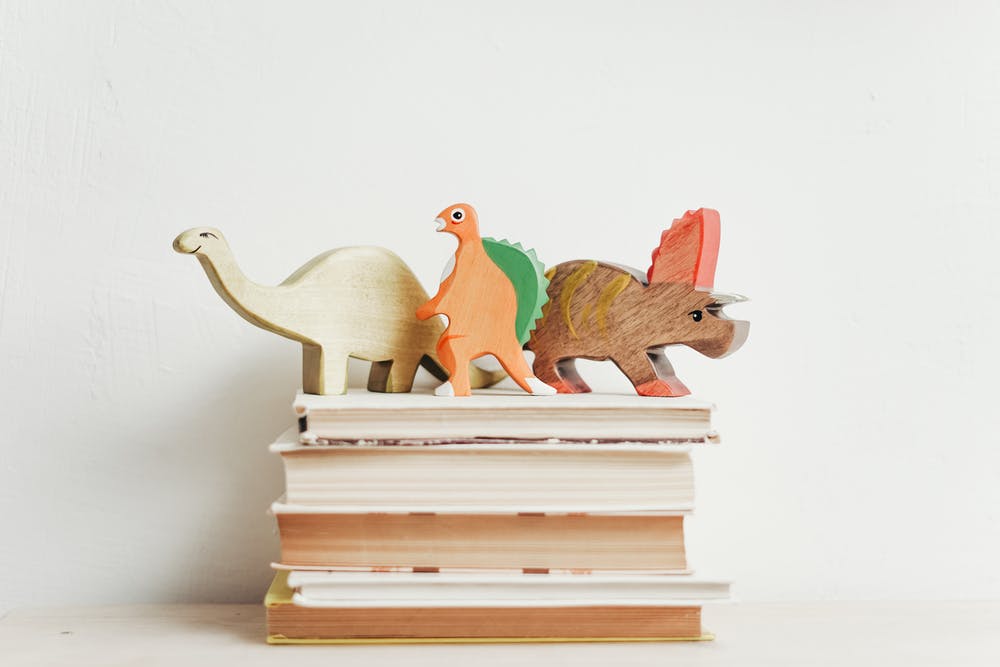
A few days later, during #free work time, two boys in my classroom began acting out the story with wooden animal figures. They remembered the plot, improvised their own dialogue, and even created an alternate ending where the coyote apologized instead of being tricked.
That moment reminded me why storytelling matters: it’s not about memorizing lines—it’s about sparking creativity, #empathy, and personal connection to the lesson.
🎯 A Montessori Storytelling Activity to Try
Here’s a simple way to bring oral storytelling into your Montessori environment or #home:
The Story Basket click here for free resource! Buy Now $0.00
-
Choose a short folktale or fable (about 3–5 minutes long).
-
Place a few objects in a basket that represent parts of the story (a small stone, a wooden spoon, a little animal figure).
-
Tell the story aloud, holding up the objects at the right moments.
-
Invite children to retell the story later, using the same props—or even creating their own version.
This activity is hands-on, imaginative, and perfectly aligned with Montessori principles of learning through real objects and self-expression.
❤️ Final Thoughts
As a Montessori teacher, I’ve seen firsthand that the art of storytelling doesn’t fade with time. In fact, it grows in importance. Children don’t just want to be entertained—they want to belong, to imagine, and to find meaning in the stories we share.
So the next time you’re tempted to reach for a screen, try instead to share a simple story from memory. Watch your child’s eyes widen, their imagination take flight, and their own storytelling spark come alive.
Because in Montessori—and in life—stories aren’t just lessons. They’re gifts. And when we pass them along, we give children something timeless: the power to connect, imagine, and create.
Want to go further? Try these courses to enrich your storytelling and cultural curriculum:
-
Montessori Cultural Activities
Buy Now $24.00: Exploring the World Through Play and Learning – This course covers how to set up cultural activities in Montessori classrooms, integrate open-ended art, enhance early science and #language connections, and celebrate diversity through #play. montessori4 #teacher Buy Now $24.00s.com -
Play Safe, Think Big: Literacy Through Play
Buy Now $10.00 – This training helps you balance supervision and create #playful literacy experiences while ensuring children remain safe and engaged. montessori4teachers.com Buy Now $10.00
These courses complement the Story Basket activity by offering deeper strategies to weave culture, literacy, and imaginative play into your learning environment.
If this article sparked ideas for your classroom, please follow ChildCareED on social media to stay connected with fresh resources, research, and professional learning opportunities. Together, we’ll build inclusive, responsive, and joyful learning environments for all children.
