Implementing Montessori practices in #early-childhood #classrooms offers a child-centered approach that fosters independence, critical thinking, and a love for learning. For a practical, classroom-focused exploration of how Montessori environments are arranged to foster independence and a love for learning, see how Montessori classrooms foster independence and a love for learning. However, #educators often encounter several challenges when integrating these methods. This article explores these challenges and provides insights into overcoming them. For staff development, the ChildCareEd course Inclusive Montessori: Supporting Diverse Learners  Buy Now $16.00 provides concrete strategies for inclusion, and pairing that training with observation practice helps teachers measure what works. See also Montessori Education for Toddlers and Montessori Education and Brain Development for developmental considerations.
What is Montessori education?
Developed by Dr. Maria Montessori, the method emphasizes self-directed activity, hands-on learning, and collaborative play. Children choose many of their own learning activities while the teacher prepares the environment and offers brief lessons. Key features include mixed-age groupings, specialized materials, and a focus on independence. Learn more: What is Montessori?
What are the common challenges in implementing Montessori practices?
How can teacher training improve Montessori implementation?
Montessori requires more than occasional workshops. Educators need training that covers Montessori philosophy, the prepared environment, and observation-based assessment. Without this foundation, teachers may find it hard to support independent, self-directed learning.
Solution: Invest in targeted, practical training. ChildCareEd courses such as Montessori Made Simple and Montessori Assistant Training cover classroom setup, core materials, and observation. Pair coursework with on-site coaching and peer observation to support transfer of learning into daily practice.
How can programs set up a Montessori classroom affordably?
A Montessori classroom is a carefully prepared environment that invites exploration and supports independence. New materials and shelving can be costly; programs often begin by prioritizing essential, multi-use materials and adapting existing items. See The Montessori Classroom: A World Designed for Discovery for low-cost setup strategies.
Solution: Start small and prioritize. Begin with key areas (practical life, sensorial, language, math, cultural) and acquire high-impact materials first. Use open shelving, rotate material sets, and adapt common classroom items when possible. For design-specific guidance, consider the ChildCareEd course The Prepared Environment: Montessori Class Design Buy Now $16.00.
How do you align Montessori practice with curriculum standards?
State and district standards can appear to conflict with Montessori's individualized approach. The practical solution is to map required competencies to Montessori activities. Use Montessori lessons to develop skills that also satisfy standards and record progress with aligned documentation.
Solution: Conduct a competency map: list required standards and match them to Montessori materials and lesson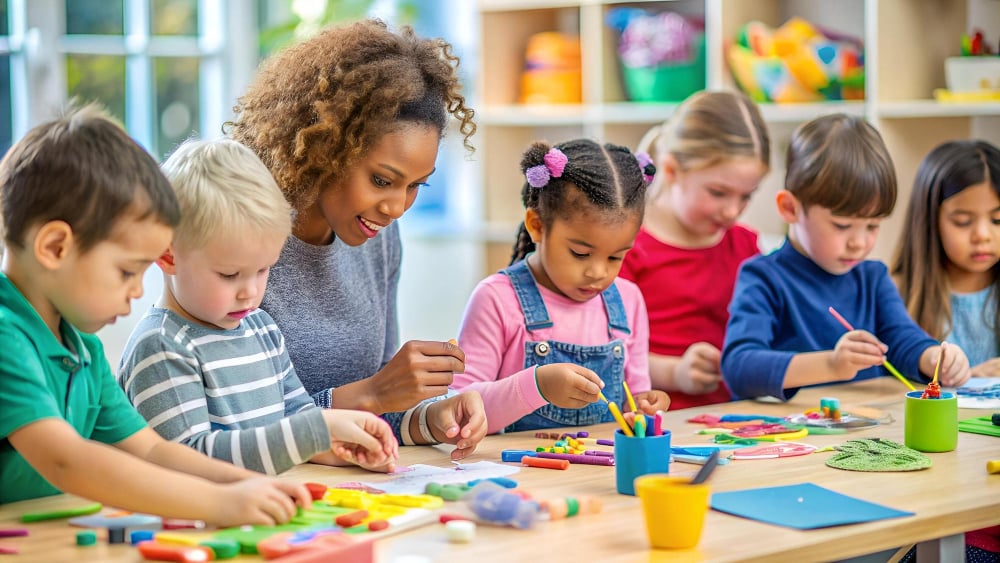 s. Document student mastery with portfolios and short skills checklists. This preserves Montessori practice while producing evidence for accountability.
How can schools build parental understanding and support for Montessori?
Parents accustomed to traditional education methods may have misconceptions about Montessori practices, leading to concerns about academic rigor and structure.
Solution: Host short orientation workshops, invite parents for guided classroom observations, and share student work portfolios. The ChildCareEd course Montessori Unveiled: Demystifying the Method for Parents Buy Now $16.00 provides materials and scripts staff can use when communicating with families.
How can Montessori programs meet assessment and accountability requirements?
Montessori relies heavily on observation and qualitative records. Many agencies expect quantitative evidence. The best practice is a mixed approach: combine narrative observation with short skills inventories and portfolios that show growth over time.
Solution: Use short, aligned checklists for required competencies alongside narrative notes and portfolios. The ChildCareEd course Mastering Observation Techniques Buy Now $16.00 helps teachers create objective, reliable observation records that can be summarized for accountability purposes.
How can Montessori be adapted for children with diverse learning needs?
Adapting Montessori methods to accommodate children with diverse learning needs requires thoughtful modifications to ensure accessibility and inclusivity.
Solution: Teachers should receive training in inclusive strategies and work with special-education teams to adapt materials. Small modifications—clear visual cues, alternate manipulatives, or changed presentation tempo—often make Montessori materials accessible without losing the method's core features.
How can programs train staff to implement Montessori practices effectively?
High-quality implementation depends on a plan that combines coursework, observation practice, coaching, and time for staff to set up materials. A practical staff-training plan can include:
- Short foundational courses (e.g., Montessori Made Simple) to explain the philosophy and the five learning areas.
- Role-specific modules (assistant, lead teacher, director) such as Montessori Assistant Training and Teach the Montessori Way Buy Now $35.00.
- Observation and assessment practice using the ChildCareEd course Mastering Observation Techniques, followed by peer feedback sessions.
- On-site coaching visits and a staged rollout: pilot one classroom, document outcomes, then scale with adjustments.
This blended approach balances theory and practice and creates space for staff to transfer learning into daily routines.
What are the first practical steps programs should take when starting Montessori?
Begin with a focused, short pilot and a simple implementation audit. First, perform an environment audit: photograph learning areas, list existing manipulatives, and note storage and child access so you can prioritize materials that support independence. Second, prioritize high-impact, multiuse materials (practical life and sensorial) that support many developmental targets and can be rotated. Third, pilot in one classroom or mixed-age pod for a single term so staff can test materials, routines, and documentation without committing the entire program. Fourth, set a few measurable fidelity indicators (for example: number of uninterrupted work periods per day, percentage of choice-based activities, and a 3-point observational rubric for independence and concentration). Fifth, plan short, consistent family communications—orientation sessions, guided observations, and a portfolio-sharing routine that highlights measurable skills. Finally, schedule coaching time (planning, material prep, peer observation) into staff schedules and collect baseline observations and photos to document growth during the pilot. Use pilot data and teacher feedback to refine roll-out and demonstrate alignment with local competencies.
How can Montessori be adapted for children with special needs?
Montessori's emphasis on individualized pace and concrete materials already supports many learners, but some adjustments are often required. Practical adaptations include using larger or textured manipulatives, offering visual schedules, giving repeated, short lessons, and creating quiet work spaces. Collaborate with special-education staff to write individualized adaptations and measurable goals.
Conclusion
Implementing Montessori practices has predictable challenges, but schools can address them with staged training, thoughtful resource planning, and active family engagement. When programs combine practical coursework, on-site coaching, and simple adaptations for inclusion, children benefit from richer, child-centered learning.
To develop staff capacity, pair brief online courses with classroom-based coaching. In addition to the external resources already noted in this article, ChildCareEd offers targeted trainings and implementation guides that fit the needs of early-childhood programs. Consider these ChildCareEd articles for further reading: Montessori Education vs. Traditional Preschool, Montessori Theory in Practice, The Importance of Hands-On Learning, Unlock the Power of Montessori, and Effectiveness of Montessori Education. Use these resources alongside training to build a practical implementation plan.
- What is Montessori?
- The Montessori Classroom: Theory to Practice
- Montessori Education vs. Traditional Preschool
- The Benefits of the Montessori Method in Early Childhood Education
- Montessori Education and DEI: Fostering Inclusive Learning Environments
- Understanding Multi-Age Classrooms in Montessori Education
- The Montessori Classroom: Fostering Independence and a Love for Learning
- The History of Montessori
- Montessori For All
- Understanding Peer Learning in Montessori Education
- Montessori for Adolescents: The Erdkinder Program
- Understanding Mindful Supervision in Montessori Settings
- Challenges in Implementing Montessori Practices
- Motivation’s vital role in how children engage with learning
- Learning in Layers: The Power of Mixed Ages
