Walk into any Montessori classroom, and you’ll likely see a rich tapestry of learners—children from different cultures, with different abilities, home languages, and life experiences. This diversity is a meaningful part of education and an opportunity to strengthen children’s learning and belonging. The question is: how do we, as Montessori educators, make sure every child feels seen, supported, and celebrated?
The Montessori method has always placed value on the individuality of each learner, with inclusion and representation guiding how educators prepare the environment. Dr. Maria Montessori believed education should be designed around the child, not the other way around. But diverse classrooms bring unique challenges: children with exceptionalities, neurodivergent learners, multilingual students, and cultural differences that shape how children experience learning. Educators seeking practical strategies can explore Implementing the Montessori Curriculum  Buy Now $32.00 and Diversity, Equity, and Inclusion in Education Buy Now $16.00. These trainings cover curriculum adaptation and culturally responsive practices; confirm with your employer or applicable agency whether a course meets any specific professional development requirement. That’s where the power of inclusivity, diversity, and representation shines. #inclusion #diversity #representation #belonging
How Can Montessori Educators Make Daily Practice Culturally Responsive?
Culturally responsive Montessori practice is more than adding a few representative books or celebrating a holiday. It involves learning about each child and family without assuming that one person speaks for an entire culture. Begin with open-ended conversations with families about the names, languages, routines, and experiences that matter to them. Ask what they would like the classroom to know, and make participation voluntary rather than assigning children the role of cultural representative.
Use observation to identify barriers to participation, then adjust the environment or presentation while preserving the child’s agency. For example, offer accessible routes to shelves and workspaces, varied ways to communicate or demonstrate learning, and appropriate choices in materials. For a child who uses another home language, include familiar words in labels, songs, or conversation when possible and invite family guidance about pronunciation. These are responsive teaching choices, not assumptions about a child’s abilities or preferences.
Review materials periodically for whose perspectives are visible and whose are missing. Choose books and images that portray people in varied roles and everyday settings, and use accurate, respectful language when discussing differences. If a child needs support beyond classroom adjustments, collaborate with the family and relevant specialists, following the program’s established processes. These steps connect Montessori observation and the prepared environment with culturally responsive practice while keeping each child’s strengths, access, and belonging at the center.
Why Does Inclusivity Matter in Montessori Education?
Inclusivity isn’t simply about making room for children with exceptionalities—it’s about embracing difference as a strength. When children see their backgrounds, identities, and needs reflected in the classroom, they feel valued. For practical ideas about inclusion and equity in Montessori settings, see Montessori education and DEI. When educators adapt their methods to meet diverse needs, every child has the opportunity to thrive.
Research continues to show that inclusive classrooms benefit all learners, not just those who need accommodations. Children gain empathy, learn to collaborate across differences, and grow into compassionate community members. For Montessori #teachers, this aligns beautifully with our mission to nurture the whole child—mind, body, and spirit.
How Can Educators Adapt Montessori Materials and Participation?
Inclusion becomes observable when children can access materials, make meaningful choices, and participate in ways that fit their communication and developmental needs. Start by watching how each child approaches an activity: Can the child reach, grasp, see, hear, understand, and complete the work with an appropriate level of independence? Consult the child and family, and collaborate with specialists when needed, before deciding what adaptation may help.
Possible adjustments include placing materials within reach, providing larger or easier-to-grasp tools, reducing visual or auditory distractions, and offering picture cues or alternate ways to respond. Keep the learning purpose in view: an adaptation should remove an access barrier without unnecessarily changing what the child is exploring. Observe the result and revise if the adjustment does not support engagement. These examples are starting points, not a substitute for individualized planning or professional guidance.
Participation can also be broadened during group sharing. Let children point, use a communication aid, dictate to an adult, or pass when they do not want to speak publicly. In the identity collage activity, for instance, a child may select images privately or describe them to a trusted adult instead of presenting to the whole group. Offering these choices respects autonomy while allowing each child to contribute. For more ideas on adapting the wider classroom space, educators can read about classroom environment and arrangement.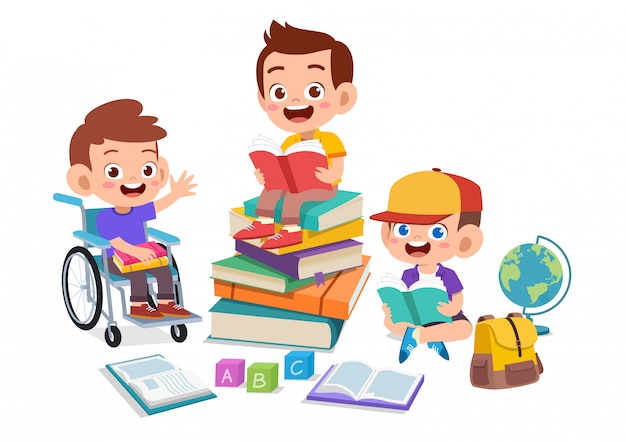
How Can Representation Shape the Montessori Environment?
Representation is one of the most visible ways inclusivity comes to life. Think about the cultural materials in your classroom: Are the books on your shelves filled with diverse characters and authors? Use the guidance in this guide to building a diverse classroom library to review your selections. Do the images on your walls reflect different cultures, abilities, and family structures? Are your practical life materials adaptable so every child—whether left-handed, physically disabled, or neurodivergent—can participate fully?
Even small changes make a big difference. A child who sees their culture reflected in a storybook or their language spoken in the classroom feels a sense of belonging. Educators can also consult strategies for respecting and strengthening children’s home languages. Representation tells every child, “You are welcome here. You matter.”
How Can an Identity Collage Support Inclusion? Buy Now $0.00
Here’s a classroom activity that weaves inclusivity directly into the Montessori framework while drawing inspiration from the Inclusive Montessori: Supporting Diverse Learners in the Classroom course.
Activity: “My Identity Collage”
Materials:
-
A variety of magazines, printed images, or digital resources (ensure diverse cultural and ability representation).
-
Safety scissors, glue, and large pieces of paper.
-
Markers, crayons, and stickers.
How it works:
-
Invite each child to create a collage that represents who they are. They can include images of their family structure, favorite foods, cultural traditions, hobbies, or even items that reflect how they learn best.
-
Invite children to share their collage with the group if they wish. They may also share it privately with a trusted adult or choose not to present. Encourage classmates to listen respectfully and celebrate what makes each person unique.
-
Display the collages in the classroom with each child’s permission. This can validate children’s identities and allow peers to learn about and appreciate differences.
Why it works in Montessori:
-
It emphasizes self-expression and independence. These opportunities can also support confidence through meaningful experiences; explore how Montessori nurtures confidence through independence and meaningful experiences.
-
It fosters observation, listening, and respect—core Montessori values.
-
It adapts easily for children with exceptionalities (some may use assistive technology, choose fewer images, or get extra adult support).
This activity is a fun, tangible way to create an environment where every child feels valued, and it connects directly with the strategies and insights taught in the Inclusive Montessori course. For additional child-centered approaches, see how All About Me activities can build classroom community.
How Can Montessori Educators Sustain Inclusive Practice?
The heart of Montessori education has always been about respect for the child. By focusing on inclusivity, diversity, and representation, we extend that respect to every learner who walks into our classrooms. Courses like Inclusive Montessori: Supporting Diverse Learners in the Classroom Buy Now $16.00 give educators with tools to refine observation techniques, adapt strategies, and create thriving environments where every child’s potential can unfold.
Summary: What Makes Montessori More Inclusive?
So—can Montessori truly be inclusive for every child? With the right mindset, tools, and training, the answer is a resounding yes. And when we embrace inclusivity, we not only transform our classrooms—we shape a future where every child knows they belong. Educators can put that commitment into practice by listening to families, reviewing representation, observing barriers to access, and adapting participation while respecting each child’s autonomy.
✨ Stay connected! Follow ChildCareEd on social media for more resources, training opportunities, and updates to help you provide the best care for children.
- Understanding Normalization in Montessori Education
- Montessori & You: A Perfect Match?
- Can Montessori Truly Be Inclusive for Every Child?
- Can Montessori Math Unlock a Love of Numbers?
- Are the Top 5 Montessori Myths Holding You Back?
- What Does “Follow the Child” Really Mean in Montessori?
- 🌞 What If Every Day Felt Peaceful? A Montessori Rhythm for Home
- What If Confidence Came Naturally? Montessori Knows How
