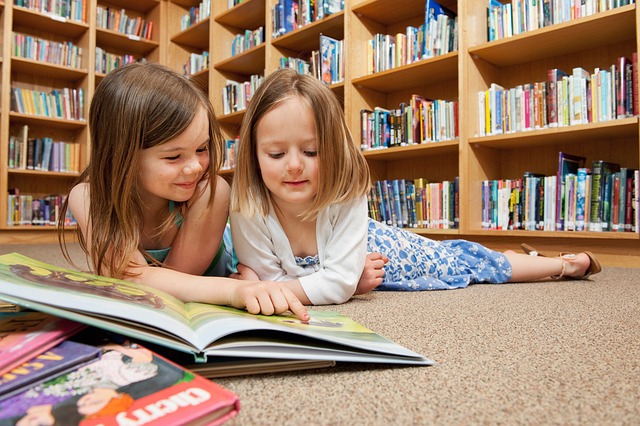
 In Montessori education, storytelling is much more than reading aloud — it’s about connection, imagination, and meaningful learning. When we want children to understand ideas like service, community, courage, and even sacrifice, stories help them explore these concepts in gentle, age-appropriate ways.
Through storytelling, children begin to see that being brave or helpful doesn’t always mean doing something big. Sometimes, courage is as simple as helping a friend who’s sad, or offering a kind word to someone new. Montessori storytelling encourages #empathy and reflection — two essential parts of developing compassionate learners.
🌱 The Montessori Approach to Storytelling
Montessori #classrooms are built on respect for the child’s natural curiosity and independence. Storytelling fits beautifully into this framework because it fosters language #development, emotional intelligence, and imagination — all while connecting children to real-life values.
The article “Montessori and Storytelling: Why Oral Tradition Still Matters” highlights that oral storytelling allows children to create their own #mental images rather than rely on pictures. This helps strengthen focus and creativity while encouraging children to listen deeply and visualize details in their own way.
The Montessori course “Implementing the Montessori Curriculum” also supports this approach. It explores how #educators can use hands-on, child-centered methods to integrate core values — like cooperation, independence, and empathy — into daily routines. Storytelling is one of the simplest yet most effective ways to achieve this.
📚 Choosing Stories About Service, Community, and Courage
When selecting stories for young children, focus on themes that reflect kindness, teamwork, and compassion. You don’t need tales about war or loss to teach sacrifice — instead, choose stories where characters care for others or overcome challenges through empathy and persistence.
Tips for choosing stories:
-
Keep it relatable: Pick stories where children can see themselves — helping a friend, cleaning up the classroom, or working together on a project.
-
Highlight cooperation: Choose #books or oral stories that show communities working together to solve problems.
-
Stay gentle: Young minds don’t need heavy details. Instead, use storytelling to inspire hope and togetherness.
-
Include diverse voices: Introduce stories from different #cultures that emphasize helping, sharing, and courage in everyday life.
-
Invite reflection: Ask, “How do you think the character felt?” or “What could you do to help in that situation?”
🪶 Meaningful Discussions Without Overwhelming Children
Montessori storytelling isn’t about giving moral lessons. It’s about inviting reflection. Here are a few ways to guide those discussions naturally:
-
Pause to wonder: After key moments, ask gentle questions like, “Why do you think they helped?” or “How do you think they felt?”
-
Let children #lead: Encourage them to retell the story in their own words. This helps them internalize the message.
-
Make it hands-on: Use resources like Story Stones Adventure — a creative way for children to build and retell their own stories using simple stones or picture prompts. These tactile tools bring the story to life and reinforce sequencing and emotional understanding.
-
Connect it to real life: After storytelling, invite children to think of ways they can help others in the classroom — like sharing supplies, comforting a friend, or helping clean up.
-
Celebrate small acts of service: Create a “Helping Hands” board where children can add drawings or notes about kind things they did or noticed.
🧩 A Montessori Flow for Storytelling About Service
Try this step-by-step approach in your classroom:
-
Gather together: Begin with a short, engaging story about kindness or teamwork.
-
Pause to reflect: Ask one or two open-ended questions about how the characters felt.
-
Recreate with story stones: Let children choose stones that represent key parts of the story — courage, teamwork, kindness — and retell it in their own words.
-
Make connections: Discuss how the story relates to life in the classroom or at #home.
-
Act it out: Encourage a short group skit or role- #play where children show an act of service or friendship.
-
Close with gratitude: End circle time by sharing one thing everyone is thankful for or one way they can help someone today.
💫 The Power of Storytelling in Montessori Classrooms
When storytelling is rooted in Montessori values, it becomes a bridge between learning and living. It helps children build empathy, strengthens their sense of community, and empowers them to see themselves as helpers in the world around them.
The true gift of storytelling is that it grows with the child. As they mature, stories that once taught kindness and cooperation become the foundation for understanding deeper ideas like sacrifice, justice, and peace.
By integrating storytelling with hands-on activities, educators can #nurture a classroom culture of gratitude, service, and respect — one story at a time.
🌟 Stay Connected with Montessori4Teachers
Continue your professional #growth-and inspiration with Montessori4Teachers!
Follow us on social media for classroom tips, course updates, creative resources, and more ways to make your Montessori environment thrive.
Follow ChildCareEd on social media:
👉 TikTok
Let’s keep sharing ideas that inspire curiosity, kindness, and courage — both inside and outside the classroom.
