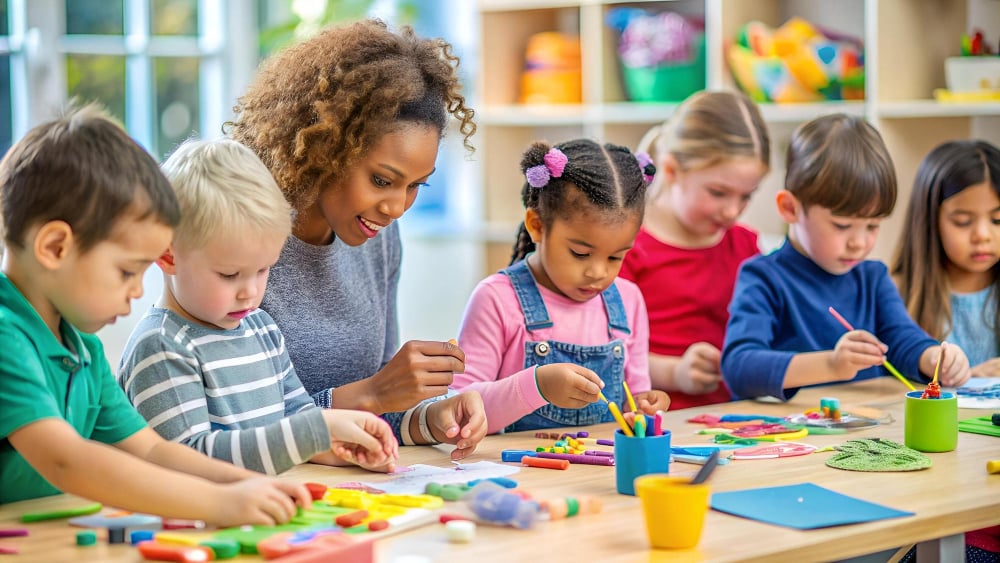
 Montessori education, founded by Dr. Maria Montessori in the #early 20th century, emphasizes child-centered learning, independence, and respect for a child's natural psychological #development. Two integral components of this educational approach are collaboration and project-based learning (PBL), which together foster a holistic learning environment that prepares #students for real-world challenges.
Understanding Montessori Education
At its core, Montessori education is built on the belief that children learn best in environments that support their natural curiosity and desire to learn. Key principles include:
- Child-Centered Learning: Recognizing that each child is unique, Montessori education tailors learning experiences to individual #developmental stages and interests.
- Prepared Environment: Classrooms are thoughtfully designed with materials and activities that encourage exploration, independence, and a sense of order.
- Mixed-Age Groupings: Students of varying ages learn together, promoting peer learning, mentorship, and a strong sense of community.
The Importance of Collaboration in Montessori Schools
Collaboration is a cornerstone of the Montessori philosophy. By working together, students develop essential social and cognitive skills. Benefits of collaboration include:
- Enhanced Social Skills: Children learn to communicate effectively, negotiate roles, and resolve conflicts, building #empathy and mutual respect.
- Peer Learning: Older students reinforce their knowledge by teaching younger peers, while younger students gain insights from their older classmates.
- Community Building: Collaborative activities foster a sense of belonging and responsibility towards the group, nurturing a supportive learning environment.
Project-Based Learning (PBL) in the Montessori Context
Project-Based Learning aligns seamlessly with Montessori principles by emphasizing active, student-driven exploration of real-world problems. Key aspects of PBL include:
- Inquiry-Based Approach: Students pose questions and investigate topics that interest them, #leading to deeper understanding and #engagement.
- Interdisciplinary Learning: Projects often encompass multiple subject areas, helping students make connections across disciplines.
- Real-World Relevance: By tackling authentic problems, students see the practical application of their learning, increasing motivation and retention.
Integrating Collaboration and PBL in Montessori Classrooms
Combining collaboration with PBL creates a dynamic learning environment where students actively engage with content and each other. Strategies for integration include:
- Group Projects: Students work in teams to explore topics, encouraging diverse perspectives and shared responsibility.
- Socratic Discussions: Facilitated dialogues promote critical thinking, communication, and collaborative problem-solving.
- Community Engagement: Partnering with local organizations allows students to work on projects that impact their communities, fostering a sense of civic responsibility.
Benefits of Collaboration and PBL in Montessori Education
The integration of collaboration and PBL in Montessori schools offers numerous advantages:
- Development of Critical Thinking: Students analyze information, evaluate solutions, and make informed decisions.
- Enhanced Communication Skills: Regular interaction with peers and mentors improves verbal and non-verbal communication abilities.
- Increased Engagement: Hands-on, relevant projects capture students' interest, leading to a love for learning.
- Preparation for Future Challenges: Students develop adaptability, problem-solving skills, and the ability to work collaboratively—essential traits for success in the modern world.
Implementing Collaboration and PBL: Practical Steps
Educators aiming to incorporate collaboration and PBL into their Montessori #classrooms can consider the following steps:
- Create a Supportive Environment: Design classrooms that encourage interaction, with flexible seating arrangements and accessible materials.
- Facilitate Student Choice: Allow students to select project topics that interest them, increasing ownership and motivation.
- Guide Without Directing: Act as a facilitator, providing resources and support while allowing students to take the lead in their learning.
- Assess Holistically: Use formative assessments, self-reflections, and peer evaluations to gauge student progress beyond traditional testing methods.
Challenges and Considerations
While the benefits are substantial, implementing collaboration and PBL in Montessori settings may present challenges:
- Resource Intensive: Projects may require materials, time, and community partnerships that necessitate careful planning.
- Teacher Training: Educators need professional development to effectively facilitate PBL and collaborative learning.
- Assessment Difficulties: Measuring the outcomes of collaborative projects can be complex, requiring alternative assessment strategies.
Conclusion
Collaboration and Project-Based Learning are integral to the Montessori educational approach, providing students with rich, engaging, and meaningful learning experiences. By fostering these elements, Montessori schools prepare students to become thoughtful, innovative, and collaborative members of society.
For #educators seeking to deepen their understanding and implementation of these strategies, Montessori4Teachers.com offers valuable resources:
- Training Opportunity: Enhance your skills with our Building Early Science Foundation
 Buy Now $16.00s.
 - Resource Highlight: Access our comprehensive Play Snow Activity.
- Recommended Reading: Explore insights in our article on Supporting Language and Literacy in the Montessori Classroom.
Stay connected with the Montessori teaching community through our social media platforms:
- Instagram: Follow us for daily inspiration and classroom ideas at @childcareed.
By embracing collaboration and project-based learning, Montessori educators can continue to cultivate environments where students thrive academically, socially, and emotionally.
- Montessori Cultural Activities: Exploring the World Through Play and Learning
- Teach the Montessori Way: A Practical Guide
- Implementing the Montessori Curriculum
- Montessori Foundations
- Understanding Montessori's Approach to Child Development
- Engaging Parents in the Montessori Toddler Classroom
- The Montessori Assistant's Toolkit
- Intro to Montessori: Philosophy, Principles, and Practices
- The Prepared Environment: Montessori Class Design
- Montessori Education and DEI: Fostering Inclusive Learning Environments
- The Montessori Work Cycle: Fostering Independence and Focus
- Emphasis on Movement in Montessori Education
- Understanding Multi-Age Classrooms in Montessori Education
- The Montessori Classroom: Fostering Independence and a Love for Learning
- The History of Montessori
- Montessori For All
- Understanding Peer Learning in Montessori Education
- Long-Term Benefits for Students: Montessori Education
- Montessori for Adolescents: The Erdkinder Program
- Becoming a Montessori Assistant Teacher
- Unlocking Your Path to Montessori: The Ultimate Guide to Becoming an Educator
- Understanding the Basis and Benefits of Montessori Education
- Montessori Magic: Why Parents Choose It & How Your Program Can Shine
- Learning in Layers: The Power of Mixed Ages
