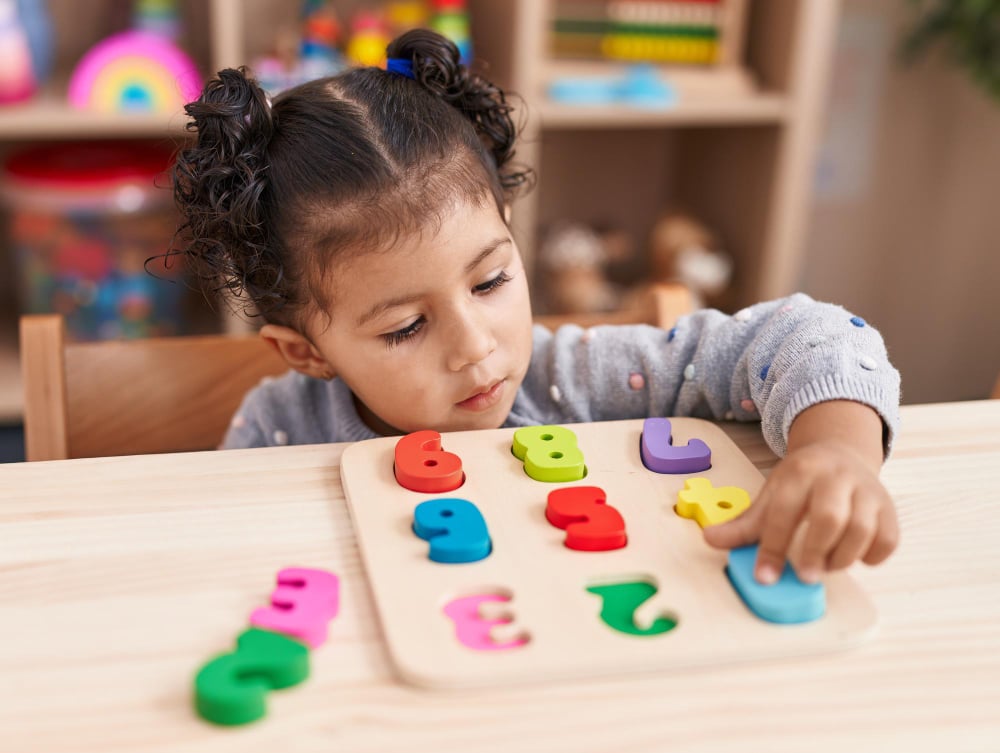
 Education #plays a fundamental role in shaping a child’s #development, but not all teaching methods are the same. Two of the most well-known approaches are Montessori education and traditional education. While both aim to provide children with knowledge and skills, their philosophies, #classroom structures, and teaching styles differ significantly.
This article explores the key differences between Montessori and traditional education, highlighting the benefits of each and helping #parents and #educators determine which method best supports a child’s learning and development.
What is Montessori Education?
Montessori education is a child-centered approach #developed by Dr. Maria Montessori in the #early 1900s. It emphasizes independence, hands-on learning, and respect for the child’s natural development. Montessori #classrooms provide children with the #freedom to choose activities that interest them, encouraging self-motivation and exploration. For a clear, practitioner-focused overview of Montessori philosophy and common classroom practices, read the article What is Montessori?.
Key characteristics of Montessori education include:
- Self-directed learning – Children choose their own activities and work at their own pace.
- Multi-age classrooms – Younger and older children learn together, fostering peer mentorship.
- Hands-on materials – Montessori classrooms use special learning materials designed to engage children’s senses and encourage discovery.
- Respect for the child – Teachers act as guides, allowing children to develop independence and problem-solving skills.
For educators interested in learning more about the Montessori method, Intro to Montessori: Philosophy, Principles, and Practices  Buy Now $24.00 at Montessori4Teachers.com helps educators understand and apply Montessori methods in educational settings.
What is Traditional Education?
Traditional education is the standard model used in most public and private schools. It follows a structured curriculum where #teachers #lead the class, and #students learn the same material at the same pace. Traditional education focuses on academic achievement, often using tests and grades to assess progress.
Key characteristics of traditional education include:
- Teacher-directed learning – The teacher controls the lesson, guiding all students through the same material.
- Single-age classrooms – Students are grouped by age and expected to learn at the same pace.
- Textbooks and worksheets – Traditional classrooms rely on textbooks, lectures, and written assignments.
- Standardized testing – Assessments are often based on tests, grades, and performance benchmarks.
Montessori vs. Traditional Education: A Side-by-Side Comparison
1. Classroom Environment
- Montessori: Classrooms are designed to be calm, inviting, and child-centered, with materials placed at the child’s level. Students move #freely and choose their own activities.
- Traditional: Desks are arranged in rows, and students are expected to sit and listen to the teacher. The environment is more structured and teacher-controlled.
2. Role of the Teacher
- Montessori: Teachers act as guides who observe students and encourage self-discovery rather than directly instructing.
- Traditional: Teachers take on a more authoritative role, leading lessons, setting schedules, and controlling #classroom-activities.
3. Learning Style
- Montessori: Hands-on learning is emphasized, with #sensory-based materials that help children understand concepts through experience.
- Traditional: Learning is primarily lecture-based, with an emphasis on memorization, note-taking, and written assignments.
4. Curriculum and Pace
- Montessori: The curriculum is flexible, allowing students to explore subjects based on their interests and #developmental readiness.
- Traditional: The curriculum is fixed, meaning all students must learn the same material at the same time, regardless of individual learning needs.
5. Assessment and Grading
- Montessori: There are no traditional grades. Teachers assess progress through observations, student portfolios, and self-reflection.
- Traditional: Students are graded based on test scores, #homework, and standardized assessments.
6. Social Development
- Montessori: Encourages collaborative learning, with older students mentoring younger peers in mixed-age classrooms.
- Traditional: Students mostly interact with peers of the same age, with less emphasis on peer-to-peer teaching.
Which Approach is Better?
Both Montessori and traditional education have their strengths. The best choice depends on the child’s learning style, personality, and needs.
Montessori Education is Ideal For:
- Children who thrive with hands-on learning.
- Students who are self-motivated and curious.
- Kids who benefit from flexibility and independence.
- Parents who prefer an individualized approach to learning.
Traditional Education is Ideal For:
- Children who do well with structured schedules and teacher-led instruction.
- Families looking for a curriculum that follows national education standards.
- Students who prefer group learning and direct instruction.
For educators who want to explore Montessori strategies in a traditional classroom setting, Montessori4Teachers.com offers resources that can help integrate hands-on learning techniques.
Montessori Training and Resources
For #teachers-and parents interested in implementing Montessori principles, there are several resources available:
- Professional Development: The Inclusive Montessori: Supporting Diverse Learners in the Classroom Buy Now $16.00 program at Montessori4Teachers.com provides essential knowledge for educators looking to create a Montessori environment.
- Classroom Materials: Access the Make your own Sensory Bottles Buy Now $0.00 activity at Montessori4Teachers.com.
- Further Reading: Learn more about "Multi-Age Classrooms in Montessori Education" by reading this article on Montessori4Teachers.com.
Connect with the Montessori Community
Stay updated on Montessori education tips, classroom ideas, and resources by following ChildCareEd on Facebook: https://www.facebook.com/childcareed.
Final Thoughts
Montessori and traditional education differ in their philosophies, teaching styles, and #classroom-environments. While traditional schools follow a structured approach, Montessori education prioritizes independence, curiosity, and hands-on learning.
By understanding the differences, parents and educators can make informed decisions about the best educational path for their child. Whether in a Montessori school or a traditional setting, the goal remains the same: to #nurture confident, capable, and lifelong learners.
- What is Montessori?
- Montessori Education vs. Traditional Preschool
- Is Montessori Really for All?
- Effectiveness of Montessori Education
- Emphasis on Movement in Montessori Education
- The Montessori Classroom: Fostering Independence and a Love for Learning
- The History of Montessori
- Understanding Peer Learning in Montessori Education
- Long-Term Benefits for Students: Montessori Education
- Montessori for Adolescents: The Erdkinder Program
- Challenges in Implementing Montessori Practices
- Motivation’s vital role in how children engage with learning
- Montessori Education: Encouraging Independence and Self-Discipline
- The Transformative Power of Montessori
- Understanding the Basis and Benefits of Montessori Education
- Teaching the Montessori Way: A Guide for Educators
