Latest Blog & News

What Does “Follow the Child” Really Mean in Montessori?
10/06/2025You’ve probably heard the phrase “Follow the Child” countless times in Montessori discussions. It’s one of Dr. Maria Montessori’s most famous principles — but what does it really mean in practice? Does it mean children run the #classroom? That #teachers step back ... What Does “Follow the Child” Really Mean in Montessori?

How Does Montessori Nurture Young Bilingual Learners?
10/02/2025In a Montessori #classroom, #language isn’t just a subject — it’s a bridge to #culture, identity, and community. When we cultivate bilingualism — especially honoring a child’s Spanish heritage — we’re doing more than teaching vocabulary; we’re helping ... How Does Montessori Nurture Young Bilingual Learners?
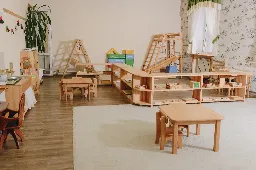
How to Showcase Montessori Philosophy During Child Care Tours
10/02/2025When #parents step through your doors for a tour, they’re not just visiting space and materials — they’re entering your philosophy in action. A Montessori tour is your opportunity to demonstrate, not just explain, how children learn, move, and grow in your environment. Below are ti... How to Showcase Montessori Philosophy During Child Care Tours

How to Support Sibling Relationships the Montessori Way
09/25/2025If you’ve ever had two or more children in the same room for more than five minutes, you know sibling relationships are a roller coaster. One minute, they’re laughing and building forts together. The next, they’re arguing over who gets the blue cup. While these ups and downs are ... How to Support Sibling Relationships the Montessori Way

Montessori and Storytelling: Why Oral Tradition Still Matters
09/25/2025I’ll never forget the way little Sofia’s eyes lit up when I told her the story of “The Stone Soup.” She leaned forward, her tiny hands folded in her lap, completely captivated. No pictures, no screens—just words weaving a world in her imagination. The next day, during ... Montessori and Storytelling: Why Oral Tradition Still Matters

What Employers Love About Montessori Alumni
09/25/2025It’s a #sunny Tuesday afternoon, and Maria is sitting across from her new manager during her very first week at a marketing agency. The manager smiles and says, “I can already tell you’re different—you don’t wait for someone to hand you a checklist. You see a need and j... What Employers Love About Montessori Alumni

How Leaf Shapes Teach More Than You Think
09/24/2025When I take children outside, I’m always amazed by what they notice first. It’s rarely the big things — not the tall trees or the wide sky. Instead, it’s often the tiniest details: a bug crawling in the grass, a pebble that sparkles in the sunlight, or a leaf with a shape the... How Leaf Shapes Teach More Than You Think

How Does Montessori Support Children During Potty Training?
09/24/2025Potty training is such an exciting milestone — and yes, it can sometimes feel overwhelming too! As a Montessori #teacher, I’ve seen many families go through this stage, and what I always remind them is that potty training doesn’t need to be rushed, forced, or #stressful. In fact, w... How Does Montessori Support Children During Potty Training?
How Do Montessori Principles Align with Hispanic Family Values of Comunidad and Familia?
09/23/2025Step into a Montessori #classroom, and you’ll likely notice children working side by side—choosing activities, helping each other, and sharing responsibilities with calm independence. Now, think about the values often celebrated in Hispanic families: strong ties to familia (family) and c... How Do Montessori Principles Align with Hispanic Family Values of Comunidad and Familia?

Can Montessori Truly Be Inclusive for Every Child?
09/18/2025Walk into any Montessori #classroom today, and you’ll likely see a rich tapestry of learners—children from different #cultures, with different abilities, different #home #languages, and different life experiences. This diversity isn’t just a reality of modern education—it&rsq... Can Montessori Truly Be Inclusive for Every Child?
