Latest Blog & News in English

Understanding Multi-Age Classrooms in Montessori Education
02/21/2025In the realm of education, the Montessori method stands out for its unique approach to learning, particularly through the implementation of multi-age #classrooms. This structure groups children across three-year age spans—commonly 0-3, 3-6, 6-9, and 9-12 years—creating a dynamic and coll... Understanding Multi-Age Classrooms in Montessori Education

Applying Montessori Principles at Home: A Guide for Parents
01/30/2025The Montessori method, #developed by Dr. Maria Montessori, emphasizes child-led learning, independence, and respect for a child's natural psychological #development. While traditionally implemented in #classroom settings, many of its principles can be seamlessly integrated into the #home environment... Applying Montessori Principles at Home: A Guide for Parents
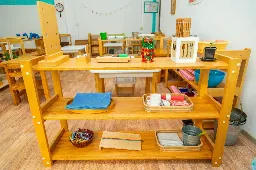
Understanding Montessori Materials
02/27/2025Montessori education, developed by Dr. Maria Montessori in the early 20th century, emphasizes hands-on, self-directed learning. Central to this approach are the unique learning tools known as Montessori materials. Read how Montessori theory guides materials. These materials are meticulously designed... Understanding Montessori Materials

Emphasis on Movement in Montessori Education
02/20/2025Many classrooms expect children to remain seated for long periods, but Montessori practice treats movement as integral to learning. This article explains how movement supports development and how to apply Montessori ideas in your setting. For practical training, consider ChildCareEd courses such as ... Emphasis on Movement in Montessori Education

Exploring the Comprehensive Montessori Curriculum
02/10/2025What is the Montessori curriculum? The Montessori approach, developed by Dr. Maria Montessori, is a child-centered framework that integrates sequential, hands-on materials and a prepared environment to support independence, concentration, and social-emotional development. The curriculum is orga... Exploring the Comprehensive Montessori Curriculum

Understanding Montessori’s Approach to Child Development
01/09/2025In the world of #early-childhood education, the Montessori approach stands out as a method focused on fostering independence, self-confidence, and a love for learning. For #educators, caregivers, and #parents looking to better understand how to support a child’s natural #development, the cours... Understanding Montessori’s Approach to Child Development

The Benefits of the Montessori Method in Early Childhood Education
02/05/2025The Montessori Method, developed by Dr. Maria Montessori, is a child-centered approach that emphasizes hands-on, self-directed learning. For a deeper framework on child development, see Understanding Montessori’s Vision of Childhood, which explains the Four Planes of Development and offers practic... The Benefits of the Montessori Method in Early Childhood Education
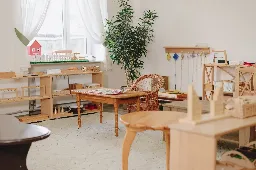
Montessori Education and DEI: Fostering Inclusive Learning Environments
02/10/2025This article explains practical, classroom-level strategies Montessori educators can use to bring DEI principles into daily practice. It also points to relevant ChildCareEd training and internal resources that can support implementation. For hands-on trainings and curriculum support, see ChildCareEd... Montessori Education and DEI: Fostering Inclusive Learning Environments

Understanding Mindful Supervision in Montessori Settings
03/06/2025Mindful supervision in Montessori classrooms requires educators to protect children while preserving their autonomy. This article explains practical strategies and points to training and tools you can use. Two relevant ChildCareEd courses are Active Supervision: A Strategy That Works and Positive... Understanding Mindful Supervision in Montessori Settings

Learning in Layers: The Power of Mixed Ages
04/24/2025At the heart of Montessori education lies a philosophy that respects the individual pace of each child while cultivating a strong, supportive community of learners. One of the most distinctive and impactful practices in Montessori #classrooms is the mixed-age grouping of #students. While this approa... Learning in Layers: The Power of Mixed Ages
