Dr. Maria Montessori, an Italian physician and educator, emphasized learning through direct sensory experience and purposeful activity. Her method foregrounds the child's agency, a prepared environment, and materials that invite exploration. Practically, this means arranging accessible materials, sequencing tasks from concrete to abstract, and using observation to guide interventions. For educators seeking immediate, practical training, ChildCareEd offers relevant courses such as Montessori Made Simple: For Today's Teachers Buy Now $35.00 and The Prepared Environment: Montessori Class Design  Buy Now $16.00. These short, focused courses introduce hands-on strategies and classroom design principles that you can apply the next day.
What are the benefits of hands-on learning in Montessori education?
- Enhanced cognitive development: Engaging with concrete materials lets children form mental models before moving to symbols. For example, sandpaper letters, number rods, and sorting activities build the neural pathways that support later reading and arithmetic. Observe how repeated, meaningful handling of materials supports transfer to abstract tasks; for research-based context on brain development in Montessori settings, see internal discussions in Montessori Education and Brain Development.
- Improved motor skills: Manipulatives scaffold fine-motor precision and bilateral coordination that underpin writing, self-care, and play. Practical life frames such as pouring, buttoning, and spooning are purposeful exercises that integrate cognition and motor planning. Practical strategies and classroom activities for motor development are discussed in How motor skills shape child development.
- Fostered independence: Self-correcting materials and routine-based tasks let children learn from direct feedback. The teacher’s role shifts to preparing the environment and observing needs rather than directing every action, which builds executive function and persistence.
- Increased engagement: When materials match developmental readiness—for example during sensitive periods—children sustain attention and intrinsic motivation. Practical tips for creating interest-driven activities appear in our article The Importance of Active Play in the Montessori Classroom.
How can educators implement hands-on learning effectively in the Montessori classroom?
To effectively incorporate hands-on learning, educators can organize the environment, choose materials deliberately, and scaffold independence. Practical steps include:
- Provide carefully selected manipulatives: Offer graded materials (e.g., unit blocks, counting beads, sandpaper letters) that isolate a single concept. Rotate materials on a predictable schedule so children encounter novelty without chaos. See classroom design ideas in The Montessori Classroom: A World Designed for Discovery.
- Use practical life as a curriculum backbone: Cooking, cleaning, and care tasks teach sequencing, tool use, and responsibility. These activities are purposeful and measurable: children practice repeated steps with increasing autonomy.
- Design learning stations and sensory pathways: Create small, labeled work areas that invite one or two children to focus. Add visual cues and a clear routine for returning materials. For toddlers, adapt station complexity; see ideas in Montessori for Toddlers.
- Observe and respond: Use short, objective observations to determine readiness and when to introduce a new material. Pair observation with minimal, targeted demonstrations rather than long group instruction.
- Maintain safety and supervision: Balance independence with active supervision. See our course on safe supervision for strategies to protect children while supporting autonomy: Safe Supervision in Child Care: Birth to School Age Buy Now $24.00.
What professional development supports hands-on Montessori teaching?
Targeted professional development helps teachers implement Montessori principles with fidelity. ChildCareEd offers modular options: Montessori Foundations Buy Now $10.00 gives an overview of core philosophy and the five learning areas; Mastering Observation Techniques in the Montessori Classroom Buy Now $16.00 builds the observation skills you need to tailor materials and timing; and Building Early Science Foundations addresses hands-on inquiry-based science activities and assessment. Choose short, role-specific modules (assistant, lead, director) and then apply them directly in your prepared environment. Confirm any certificate acceptance with your state registry or employer before assuming a course fulfills a licensing requirement. If you are considering a career in Montessori education and want a clear roadmap from coursework to employment—including typical credentials, job pathways, and practical next steps—see our career guide: Unleashing the Potential Within: Exploring a Career in Montessori Education.
What resources can support hands-on Montessori teaching?
Multiple resources can help you design a safe, engaging Montessori environment. ChildCareEd offers printable tools and reference pages such as the Heat Awareness: Heat Exhaustion & Heat Stroke Chart for outdoor safety. For classroom practice and deeper reading, consult these ChildCareEd articles: What is Montessori?, Unlock the Power of Montessori, and Tiny Tots, Big Learning. These posts include activity lists, material lists, and inclusion strategies to adapt Montessori practices for diverse learners.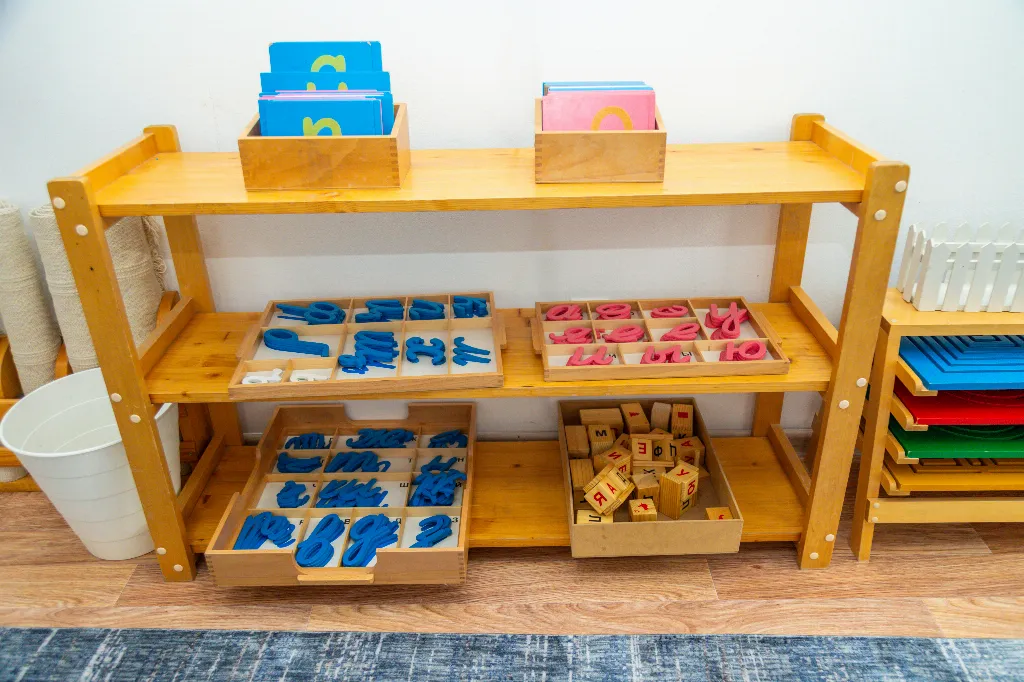
Stay Connected
To remain updated on hands-on learning strategies, follow ChildCareEd on social media for short demonstrations, printable guides, and course announcements:
- Instagram: https://www.instagram.com/childcareed/
- Pinterest: https://www.pinterest.com/ChildCareEd/
- Facebook: https://www.facebook.com/childcareed
- TikTok: https://www.tiktok.com/@childcareed
- X: https://x.com/childcareed
Summary: What are the key takeaways for Montessori educators?
Hands-on Montessori practice centers the child, uses materials to bridge concrete and abstract learning, and relies on observation to time interventions. To implement this approach: 1) prepare stable, labelled work areas with a limited set of meaningful materials; 2) teach through short, precise demonstrations and allow extended independent work cycles; 3) document observations and adjust materials to match sensitive periods and individual readiness; and 4) ensure safety through active, mindful supervision. For immediate next steps, consider enrolling in short ChildCareEd courses such as Montessori Made Simple Buy Now $35.00 or Montessori Foundations Buy Now $10.00 to translate these principles into classroom routines and reflective professional practice. Use the linked articles above for activity ideas and adaptation strategies. Consistent observation, intentional materials, and supportive supervision will yield deeper engagement and stronger developmental outcomes.
- Teach the Montessori Way: A Practical Guide
- Implementing the Montessori Curriculum
- Montessori Foundations
- Understanding Montessori's Approach to Child Development
- Intro to Montessori: Philosophy, Principles, and Practices
- Montessori Cultural Activities: Exploring the World Through Play and Learning
- The Prepared Environment: Montessori Class Design
- Applying Montessori Principles at Home: A Guide for Parents
- The Importance of Hands-On Learning in Montessori Education
- Montessori and the Importance of Hands-On Education
- Montessori Math: Preparing Children for Abstract Thinking and Cognitive Development
- Understanding Intrinsic Motivation in Montessori Education
- The Absorbent Mind in Montessori Education
- Intrinsic Motivation in Montessori Education
- Focus on Nature and Real-World Experiences in Montessori Education
- The Purpose of Practical Life in Montessori Education
- Understanding Normalization in Montessori Education
- Montessori Theory in Practice: Bringing Child-Centered Learning to Life
- Montessori For All
- Montessori for Adolescents: The Erdkinder Program
- Classroom Pets in Montessori Education
- Unlocking the Power of Practical Life: A Montessori Foundation
- Unlocking Your Path to Montessori: The Ultimate Guide to Becoming an Educator
- Understanding the Basis and Benefits of Montessori Education
- Montessori & You: A Perfect Match?
- Montessori for Infants: Nurturing Independence from the Start
