Latest Blog & News

Montessori Assistant Training
01/09/2025Montessori Assistant Training: A Pathway to Becoming a Key Part of Early Childhood Education At Montessori4Teachers we offer comprehensive training programs to equip individuals with the knowledge and skills needed to excel in #early-childhood education. One of our standout courses is the Mo... Montessori Assistant Training

The Importance of Continuing Education for Montessori Educators
01/23/2025Continuing education is central to strong Montessori practice. Regular, focused learning helps teachers use current research in daily classroom routines. ChildCareEd offers concise, practice-focused trainings that support Montessori work — for example, Montessori Foundations and The Montessori Cla... The Importance of Continuing Education for Montessori Educators
.jpg)
Montessori Materials: Purpose and Types
01/30/2025Montessori materials are intentionally designed learning tools that allow children to explore concepts through multi-sensory, manipulative experiences. For early childhood professionals seeking practical methods to implement these materials, two ChildCareEd courses that focus on classroom applicatio... Montessori Materials: Purpose and Types

Approved AMS Continuing Professional Development
01/28/2025Montessori Made Simple and Implementing the Montessori Curriculum are two ChildCareEd courses that cover core Montessori principles and classroom practice. Montessori4Teachers is excited to announce that a select number of professional development courses are now approved by the American Montessori ... Approved AMS Continuing Professional Development

The Role of the Teacher in Montessori Education
01/31/2025In Montessori education, the teacher's role differs from traditional models. Montessori educators prepare the environment and guide self-directed learning. For practical, classroom-focused training, see our courses Montessori Made Simple and Mastering Observation Techniques in the Montessori Classro... The Role of the Teacher in Montessori Education

Understanding Uninterrupted Work Periods
03/11/2025In Montessori education, uninterrupted work periods—extended blocks of time—support deep engagement, concentration, and independent learning. ChildCareEd courses such as Mastering Observation Techniques in the Montessori Classroom and Montessori Assistant Training teach practical strategies for ... Understanding Uninterrupted Work Periods
.jpg)
Sensitive Periods in Child Development
02/25/2025What are sensitive periods and why do they matter? Maria Montessori, the founder of the Montessori method, introduced the concept of sensitive periods—critical phases in a child's #development when they are particularly receptive to learning specific skills. During these sensitive periods, ch... Sensitive Periods in Child Development
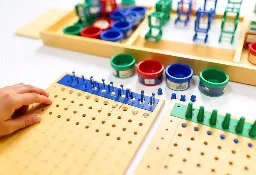
Control of Error in Montessori: Encouraging Independence Through Self-Correction
02/18/2025One of the most powerful principles in Montessori education is the Control of Error—a built-in feature of Montessori materials that allows children to recognize and correct their own mistakes without the need for adult intervention. This concept fosters independence, confidence, and problem-so... Control of Error in Montessori: Encouraging Independence Through Self-Correction
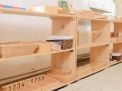
The Hidden Curriculum of Order: What Clutter Teaches Without Words
10/29/2025Walk into a Montessori #classroom at its best, and you’ll notice something before you even hear the soft hum of concentration or see the children working purposefully: order. Not the sterile, rigid order of “everything in its place or else,” but an intentional, living order —... The Hidden Curriculum of Order: What Clutter Teaches Without Words

The Pink Tower: A Montessori Classic for Early Childhood Development
02/18/2025What is the Pink Tower and why does it matter in Montessori classrooms? The Pink Tower is one of the most iconic materials in Montessori early-childhood education. Designed by Dr. Maria Montessori, it consists of ten pink wooden cubes that increase progressively in size. Though simple in form, the ... The Pink Tower: A Montessori Classic for Early Childhood Development
