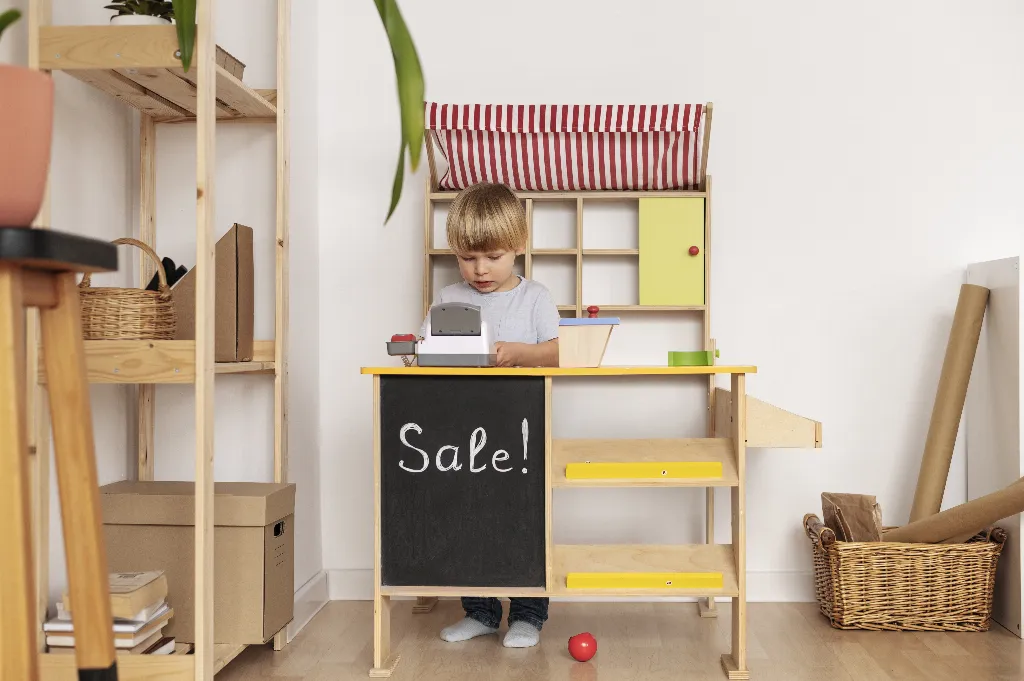
 Montessori is often linked to large #classrooms with shelves of special materials. But Montessori principles can work beautifully in home-based child care, even with limited space and mixed ages.
At its heart, Montessori is about respecting children, supporting independence, and creating an environment where children can #learn through everyday life. Home-based providers are in a great position to do this because #home settings already feel calm, familiar, and #personal.
You do not need expensive materials or a full classroom makeover. With a few thoughtful changes, you can bring Montessori values into your daily routine while meeting licensing and #safety rules. #MontessoriAtHome
How Can You Create a Montessori-Friendly Environment at Home?
A Montessori environment is called a prepared environment. This means the space is set up so children can move #freely and make choices on their own.
Here are simple ways to #adapt your home:
-
Use low shelves so children can reach materials
-
Place toys and tools where children can see them clearly
-
Choose child-sized tables, chairs, and tools
-
Keep walkways clear and uncluttered
You do not need a lot of materials. In fact, Montessori encourages less clutter. Having fewer choices helps children focus and feel calm. This idea is explained well in the ChildCareEd article, The Impact of Too Many Materials: Why Is Less Really More in Montessori Classrooms?.
What Materials Work Best for Montessori in Small Spaces?
Home-based programs often have limited space. The good news is that Montessori materials can be simple and practical.
Focus on everyday items that teach real-life skills, such as:
-
Pouring water from a small pitcher
-
Spoon transferring with dry beans or rice
-
Folding cloths or napkins
-
Washing hands or wiping tables
These are called Practical Life activities. They build independence, focus, and confidence.
A helpful resource is Montessori Practical Life Activity Buy Now $0.00 from ChildCareEd. It gives clear examples you can use right away.
Rotate materials often instead of offering everything at once. This keeps children interested without overwhelming them. #PreparedEnvironment
How Do Montessori Principles Support Mixed-Age Groups?
Most home-based child care programs serve children of different ages. Montessori was designed for mixed-age learning, making it a natural fit.
Younger children learn by watching older ones. Older children build leadership and patience by helping younger peers.
To support mixed ages:
-
Offer the same activity with different skill levels
-
Allow older children to model tasks instead of correcting others
-
Encourage cooperation, not competition
This approach builds a strong sense of community and #respect in your program.
What Is the Role of the Provider in Montessori Home Care?
In Montessori, the adult is a guide, not a director. This can feel different from traditional child care.
Your role includes:
-
Observing children closely
-
Preparing the environment
-
Offering gentle guidance when needed
-
Allowing children time to work without interruption
Instead of telling children what to do, you show them once and let them practice. This builds trust and independence.
If you want deeper support in understanding this role, the course Montessori Assistant Training is a helpful starting point for home-based providers.
How Can You Adapt Montessori Routines to Daily Child Care Needs?
Montessori routines work well with daily child care tasks like meals, naps, and cleanup.
Try these ideas:
-
Let children serve their own food when safe
-
Use child-sized utensils during meals
-
Invite children to help clean up spills
-
Allow extra time so routines feel calm, not rushed
Even diapering and handwashing can become learning moments when children are included in the process.
Learning how to connect Montessori ideas with daily structure is covered in Implementing the Montessori Curriculum, which is useful for both new and experienced providers.
How Do You Communicate Montessori Values to Families?
Families may not be familiar with Montessori, especially in a home-based setting. Clear and friendly communication is key.
You can:
-
Explain why children do things for themselves
-
Share photos of children working independently
-
Use simple #language instead of Montessori terms
-
Invite families to ask questions
The course Engaging Parents in the Montessori Toddler Classroom  Buy Now $16.00 offers practical strategies for building strong family partnerships.
When families understand your approach, they are more likely to support it at home too. #FamilyEngagement
How Can Home-Based Providers Start Small with Montessori?
You do not need to change everything at once. Start with one area or one routine.
Simple first steps include:
-
Replacing loud plastic toys with simple wooden or real items
-
Adding a low shelf with 4–6 activities
-
Letting children try tasks before helping
-
Observing what children enjoy and repeating it
Montessori is a journey, not a checklist. Small changes can make a big difference over time.
Why Is Montessori a Great Fit for Home-Based Child Care?
Home-based programs already offer many Montessori strengths:
-
Smaller group sizes
-
A home-like environment
-
Strong relationships with children and families
-
Flexible routines
By adapting Montessori principles, you can create a calm, respectful space where children feel capable and valued.
To stay inspired and learn more tips, follow ChildCareEd on social media:
👉 Facebook: https://www.facebook.com/childcareed
👉 TikTok: https://www.tiktok.com/@childcareed
Follow for training updates, teaching ideas, and child care support you can use every day.
- The Montessori Classroom: Theory to Practice
- The Montessori Assistant's Toolkit
- Montessori Assistant Training
- Inclusive Montessori: Supporting Diverse Learners in the Classroom
- Engaging Parents in the Montessori Toddler Classroom
- Mindful Supervision: Balancing Safety & Independence in Montessori
- The Prepared Environment: Montessori Class Design
- Raising Peaceful Learners: The Montessori Advantage
- Unlock the Power of Montessori
- What is Montessori?
- The Montessori Classroom: Theory to Practice
- Understanding Montessori’s Approach to Child Development
- Applying Montessori Principles at Home: A Guide for Parents
- Montessori Education and DEI: Fostering Inclusive Learning Environments
- Understanding Montessori Toddler Education
- Intrinsic Motivation in Montessori Education
- Focus on Nature and Real-World Experiences in Montessori Education
- Montessori Magic: Why Parents Choose It & How Your Program Can Shine
- Teaching the Montessori Way: A Guide for Educators
- Montessori Magic at Home: Tips for Every Age
- How to Set Up a Montessori Shelf at Home
- Raising the Montessori Way: A Family Win
- Can Everyday Tasks Make Your Child More Independent?
- What Do Parents Need to Know About Freedom Within Limits?
- How Does Montessori Nurture Young Bilingual Learners?
- 🌞 What If Every Day Felt Peaceful? A Montessori Rhythm for Home
