Latest Blog & News

How Does Montessori Nurture Young Bilingual Learners?
10/02/2025In a Montessori classroom, #language is not merely a subject; it can connect children with #culture, #identity, and community. When educators value bilingualism and a child’s home language, they affirm that child’s experiences and support communication across settings. Educators can expl... How Does Montessori Nurture Young Bilingual Learners?

Montessori & AI: When Tradition Meets Tomorrow
10/01/2025You might hear “AI” and immediately picture robots, chatbots, or science-fiction films. In this article, Montessori-Instruct refers to a research method for tailoring synthetic training examples for AI models; it is not a classroom curriculum or a tool for directly teaching children. For... Montessori & AI: When Tradition Meets Tomorrow

Digital Citizenship for Little Ones: A Montessori Approach to Respect & Responsibility Online 🌿
11/20/2025Technology is part of our world—and yes, even the world of little learners! As Montessori-inspired #educators and child care providers, we know children thrive when they are respected, guided gently, and given meaningful choices. So how do we bring those same values into the digital world? We... Digital Citizenship for Little Ones: A Montessori Approach to Respect & Responsibility Online 🌿

Montessori Meal time
11/30/2021Maria Montessori believed that mealtime is an opportunity for children to learn valuable life skills. From infancy, when children learn to sit independently, Montessori children are provided with child-sized tables and chairs and are encouraged to feed themselves. They gain hands-on experience by us... Montessori Meal time
Montessori Education: Prioritizing Health and Safety
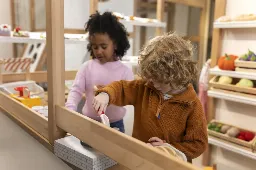
02/10/2025Montessori education emphasizes a child-centered approach that supports independence, exploration, and holistic development. In a Montessori classroom, the prepared environment should make purposeful activity accessible while protecting children from preventable hazards. Health and safety practices&... Montessori Education: Prioritizing Health and Safety

How Montessori Teachers Support Emotional Regulation in Foster Children?
09/29/2025Foster children often enter classrooms with experiences of change, transition, and uncertainty, though each child’s history and responses are individual. Montessori practices such as predictable routines, observation, and meaningful choice may help teachers create supportive environments. For ... How Montessori Teachers Support Emotional Regulation in Foster Children?

How to Support Sibling Relationships the Montessori Way
09/25/2025If you’ve ever had two or more children in the same room for more than five minutes, you know sibling relationships are a roller coaster. One minute, they’re laughing and building forts together. The next, they’re arguing over who gets the blue cup. While these ups and down... How to Support Sibling Relationships the Montessori Way

🕊 Why Are Montessori Classrooms a Model for Peace Education?
10/16/2025Have you ever walked into a Montessori #classroom during lunch or work time and been struck by how… peaceful it feels? No shrieking, no children flinging chairs, just focused little humans engaged in meaningful tasks. It’s like walking into a Zen garden staffed by #toddlers. There&rsquo... 🕊 Why Are Montessori Classrooms a Model for Peace Education?

Why Grace and Courtesy Lessons Start in the Infant Years
09/16/2025When most people hear “grace and courtesy,” they think of toddlers learning to say please and thank you, or preschoolers practicing how to politely interrupt a conversation. But in Montessori, grace and courtesy begin much earlier—right in the infant years. Educators who want to ... Why Grace and Courtesy Lessons Start in the Infant Years

How Does Montessori Support Children During Potty Training?
09/24/2025Potty training is an exciting milestone, and it can also feel overwhelming. A Montessori lens can help caregivers support independence without rushing or pressuring a child. For professional development, explore Potty Training Made Simple and Supporting Children’s Independence; course content ... How Does Montessori Support Children During Potty Training?
