Potty training is an exciting milestone, and it can also feel overwhelming. A Montessori lens can help caregivers support independence without rushing or pressuring a child. For professional development, explore Potty Training Made Simple Buy Now $25.00 and Supporting Children’s Independence  Buy Now $24.00; course content may support learning, but acceptance for any requirement depends on the applicable state, employer, or registry. These trainings do not replace individualized guidance or guarantee regulatory compliance.
How Can Montessori Guides Follow the Child During Toilet Learning?
A central strength of Montessori philosophy is its emphasis on systematic observation and responsive teaching that follows children’s developmental interests. Montessori described sensitive periods as phases when children may demonstrate heightened receptivity to particular skills. For more context, see this overview of sensitive periods in Montessori education. This individualized, responsive approach reflects child-centered learning in Montessori education.
Toileting may intersect with a child’s interest in order, movement, and independence, themes often associated with toddler development; however, readiness varies among children. Learn more about signs a child may be ready for toilet training. This is when children may want to do more for themselves — “I do it!” becomes a familiar refrain. That growing drive can create opportunities to support toilet learning without assuming that every child will be ready at the same time.
For additional professional learning about Montessori principles and prepared environments, see The Montessori Classroom: Theory to Practice Buy Now $25.00. The course explores Montessori concepts for educators; check with your employer or relevant agency if you need training to meet a specific requirement.
How Can You Prepare the Environment for Potty Learning?
In Montessori #classrooms, we always talk about the prepared environment — spaces designed so children can succeed independently. This same principle can guide potty-learning spaces at home and in care settings. Explore how Montessori environments foster independence.
The following strategies can help families establish an accessible, predictable toilet-learning environment:
-
Place a child-sized potty or a secure seat on the toilet so your child can access it with ease.
-
Keep a step stool by the sink so they can wash their hands without help.
-
Choose simple, easy-to-manage clothing, like elastic waistbands, so they can practice dressing and undressing themselves.
-
Keep the routine consistent. Try offering the potty after meals, before naps, and when waking up. A predictable sequence can promote a child’s understanding of what to expect. See safe toileting procedures for child care programs for related care-setting practices, and explore what a Montessori day can look like for additional context on a calm, child-centered routine.
How Can Caregivers Respond to Accidents, Hesitation, and Different Readiness Timelines?
Toilet learning rarely follows a perfectly predictable sequence. A child may show interest, pause, and return to the process later; an accident does not establish that learning has failed. Respond with calm, matter-of-fact support, help the child change, and invite participation when appropriate. Avoid punishment, shame, or comparisons with other children, which can turn a self-care routine into a source of pressure.
Observe patterns rather than relying on a fixed age or timetable. Notice whether the child communicates a need, shows interest in the bathroom routine, and can participate in relevant steps with appropriate assistance. These observations are not a diagnostic checklist; they help caregivers and families decide together what support is practical. If a child consistently resists, seems distressed, or has toileting concerns that worry the family, pause pressure and encourage the family to consult the child’s health care professional for individualized guidance.
To operationalize this partnership, share concise, objective observations with the family: when the child appeared comfortable using the bathroom, what assistance proved useful, and whether clothing or the routine presented barriers. Ask which words and strategies the family uses at home, then agree on a manageable approach across settings. Avoid interpreting an isolated accident or refusal as lack of readiness. Revisit the plan together if the child’s responses change, and keep the focus on comfort, participation, and privacy.
In a child care setting, agree with the family on language, routines, clothing, supplies, and how staff will communicate progress or concerns. Follow the program’s hygiene and sanitation procedures, supervise children according to their needs, and protect each child’s privacy and dignity. Consistent communication enables caregivers to respond to the child’s cues rather than framing toilet learning as a performance target.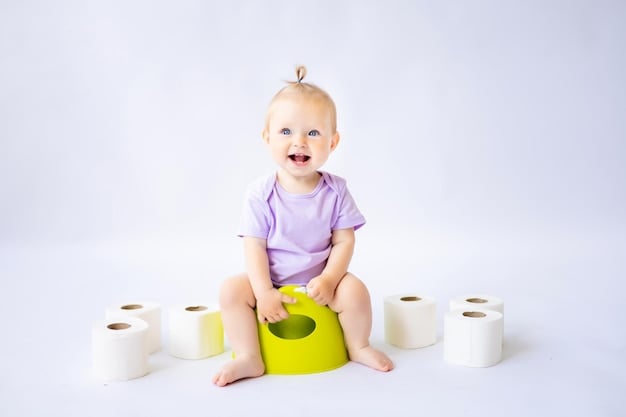
How Can a Potty Basket Support Independence?
A prepared basket can make toilet learning more accessible while supporting the child’s participation:
-
Find a small basket or bin and let your child decorate it. Stickers, ribbons, or even washable markers make it feel personal.
-
Together, stock the basket with a few essentials: training underwear, a small towel, and wipes in a child-safe container.
-
Offer your child choice. For example, let them pick between two pairs of underwear each time. This simple step gives the child a manageable choice and an opportunity to participate. For related Montessori strategies, read about practical life activities and independence.
When children participate in these decisions, they may experience greater ownership of the routine. This reframes toilet learning from adult-directed compliance toward developmentally supported participation.
How Does Toilet Learning Support Development Beyond Toileting?
The Montessori approach reminds us that potty training isn’t only about the toilet — it’s about building self-respect, independence, and #confidence through meaningful #participation. When children feel capable of caring for their own needs, they grow in ways that extend far beyond this one milestone.
By tuning into sensitive periods and preparing the environment thoughtfully, we create space for children to succeed joyfully. And when we step back and let them #lead, we often find that what once felt like a challenge becomes a moment of celebration — for the child and for us.
If you’d like to learn more about supporting children during their sensitive periods, I recommend exploring Sensitive Periods in Montessori: Guiding Natural Learning Buy Now $16.00. It’s designed to help caregivers understand these crucial stages and provide the right support at the right time.
What Should Caregivers Remember About Montessori Potty Learning?
Potty learning is not a race. Observe the child’s cues, prepare an accessible and safe space, coordinate with the family, and respond to accidents or resistance without pressure. Offer predictable opportunities and age-appropriate choices while allowing the child’s pace to guide the process. The aim is to support participation and #dignity, not to meet a fixed deadline.
Montessori principles can offer a useful framework for fostering independence during toileting, but they do not establish a single readiness age or guarantee a particular outcome. When concerns persist, partner with the family and recommend that they seek individualized guidance from the child’s health care professional.
To keep learning, growing, and getting support—follow ChildCareED.com on social media! Together, we can turn challenging moments into opportunities for connection.
