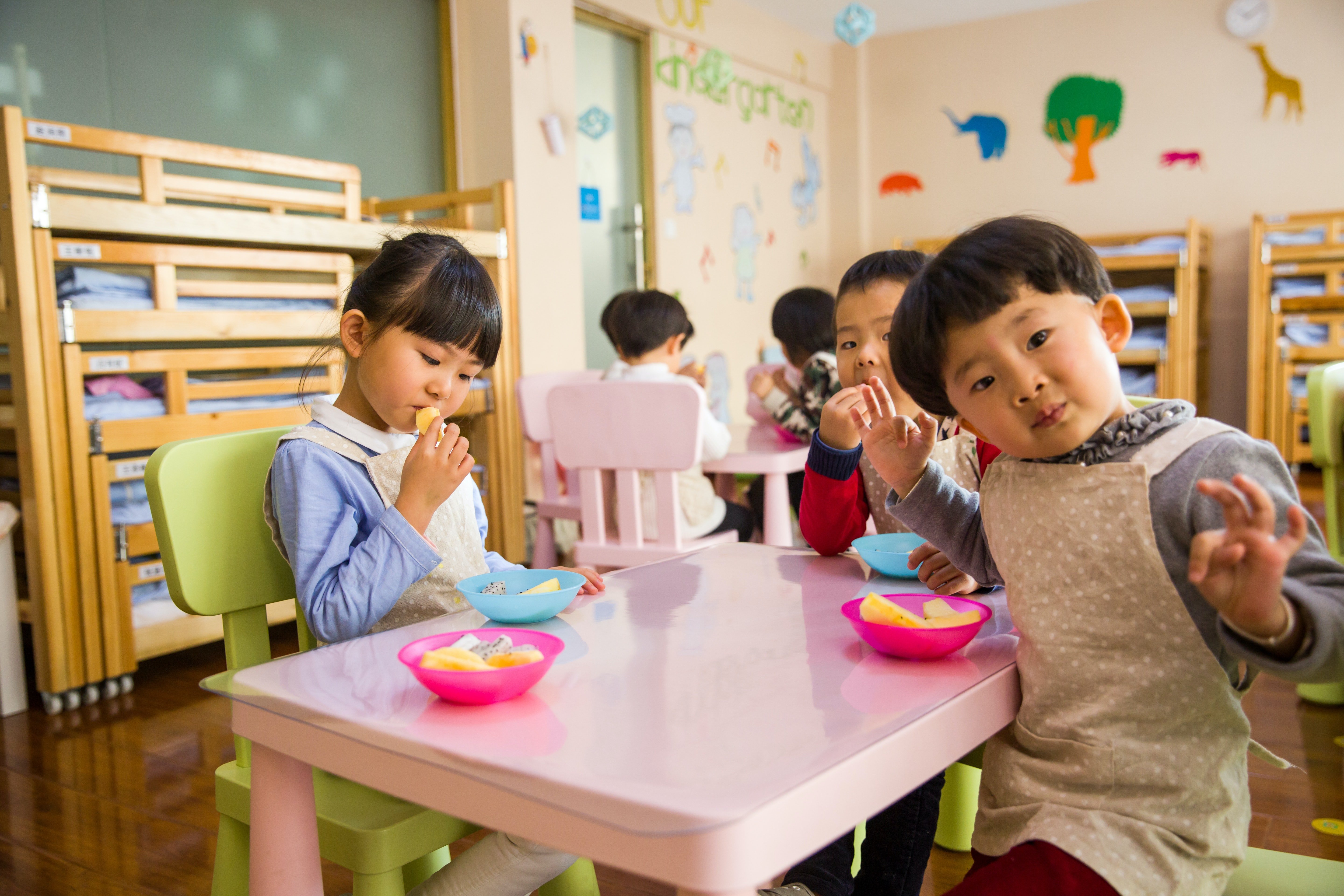
 Creating a Montessori-inspired #classroom in a child care setting does not require expensive materials or a full school redesign. Montessori classroom ideas for child care focus on simple changes that support independence, curiosity, and hands-on #learning. With thoughtful organization and age-appropriate materials, child care providers can create a calm, engaging space where children feel confident and capable.
This guide shares practical Montessori classroom ideas that work well in child care centers, family child care #homes, and #preschool programs.
What Is a Montessori-Inspired Classroom in Child Care?
A Montessori-inspired classroom is designed around how children naturally learn. It supports choice, movement, and hands-on experiences. In child care settings, Montessori ideas can be #adapted to meet licensing rules, mixed-age groups, and daily routines.
Key features include:
-
Child-sized furniture
-
Organized shelves with open access
-
Hands-on learning materials
-
Calm colors and simple décor
-
Respect for each child’s independence
These ideas work well in full Montessori programs and traditional child care #classrooms looking to improve learning environments. #MontessoriClassroom #EarlyLearning
How Should a Montessori Classroom Be Set Up for Child Care?
The classroom layout is one of the most important Montessori classroom ideas for child care. The goal is to help children move #freely and make choices #safely.
Helpful setup tips include:
-
Use low shelves so children can see and reach materials
-
Arrange clear learning areas with space to move
-
Keep walking paths open and uncluttered
-
Limit wall decorations to avoid visual overload
Each shelf should hold only a few materials, placed neatly and facing forward. This helps children focus and return items when finished.
To learn more about creating an effective classroom layout, explore Mastering the Montessori Prepared Environment  Buy Now $16.00.
What Are the Best Montessori Classroom Areas for Child Care?
Montessori classrooms are divided into learning areas. In child care, these areas can be adjusted based on space and age groups.
Practical Life Area
This area helps children practice real-life skills.
Common materials include:
-
Pouring activities with cups and water
-
Buttoning or zipper frames
-
Sweeping and wiping tools
-
Food preparation tools (where allowed)
These activities build confidence, focus, and independence.
Sensorial Area
Sensorial activities help children explore their senses.
Examples include:
-
Color matching cards
-
Texture boards
-
Sound containers
-
Shape and size sorting items
These activities are especially helpful for #toddlers and #preschoolers. #HandsOnLearning
Language and Literacy Area
This area supports #early reading and communication.
Ideas include:
-
Picture-word cards
-
Object matching games
-
Story baskets with #books and props
-
Alphabet materials for preschoolers
Materials should be simple and easy to understand for children learning English.
Cultural and Science Area
Children enjoy learning about the world around them.
This area may include:
-
Maps and globes
-
Nature items like rocks or leaves
-
Simple science tools
-
Cultural objects and photos
For ideas on #cultural learning through #play, check out Montessori Cultural Activities: Exploring the World Through Play and Learning Buy Now $24.00.
How Can Child Care Providers Choose Montessori Materials on a Budget?
Montessori classroom ideas for child care do not require expensive materials. Many activities can be made using everyday items.
Budget-friendly ideas include:
-
Use baskets and trays from local stores
-
Repurpose kitchen tools for practical life
-
Rotate materials instead of buying more
-
Choose natural materials like wood or fabric
Less is more in Montessori. Fewer materials help children stay focused and reduce clutter.
The ChildCareEd Curiosity Kit Buy Now $0.00 is a helpful resource for hands-on exploration and classroom #engagement.
How Does Observation Support Montessori Classroom Success?
Observation is a key part of Montessori teaching. Watching how children use the space helps providers know what is working and what needs change.
When observing, look for:
-
Which materials children choose often
-
Where children struggle or lose interest
-
How children move through the classroom
-
Whether materials match #developmental levels
Strong observation skills help providers adjust activities and layout to better #support-learning.
To build these skills, consider Mastering Observation Techniques in the Montessori Classroom Buy Now $16.00. #ChildCareProfessionals
How Can Montessori Ideas Work in Mixed-Age Child Care Classrooms?
Many child care programs serve mixed-age groups. Montessori classroom ideas work well in these settings because children learn from each other.
Helpful strategies include:
-
Offering materials at different skill levels
-
Allowing older children to model activities
-
Providing quiet spaces for focused work
-
Encouraging peer support, not competition
Mixed-age classrooms help build social skills, patience, and leadership.
Why Do Montessori Practices Work Well in Child Care Programs?
Montessori practices support the whole child. They promote independence, self-control, and a love of learning.
Benefits include:
-
Fewer behavior challenges
-
Increased focus and engagement
-
Stronger problem-solving skills
-
Greater confidence and independence
For a deeper look at why these methods are effective, read What Are Montessori Practices and Why Do They Work in Child Care Programs?.
How Can Child Care Providers Continue Learning About Montessori?
Montessori learning is an ongoing journey. Small changes can make a big difference over time.
Ways to grow include:
-
Taking online Montessori training
-
Observing children regularly
-
Updating classroom layouts seasonally
-
Connecting with other educators
Stay inspired and connected by following ChildCareEd on social media for tips, videos, and professional support:
👉 Follow ChildCareEd on Instagram, Facebook, and TikTok for daily ideas and encouragement.
- Montessori Foundations
- The Montessori Assistant's Toolkit
- Montessori Assistant Training
- Engaging Parents in the Montessori Toddler Classroom
- Mastering Observation Techniques in the Montessori Classroom
- Montessori Cultural Activities: Exploring the World Through Play and Learning
- Mindful Supervision: Balancing Safety & Independence in Montessori
- The Prepared Environment: Montessori Class Design
- What is Montessori?
- The Montessori Classroom: Theory to Practice
- Montessori Assistant Training
- Focus on Nature and Real-World Experiences in Montessori Education
- Montessori’s Inclusivity: Supporting Children with Diverse Learning Needs
- Unlocking Your Path to Montessori: The Ultimate Guide to Becoming an Educator
- Understanding the Basis and Benefits of Montessori Education
- Montessori & You: A Perfect Match?
- Montessori and Positive Discipline: A Balanced Approach
- 🌟 What Happens When Montessori Meets Music and Rhythm?
- Can Montessori Truly Be Inclusive for Every Child?
- Montessori Classroom Ideas for Child Care Providers
