What does “work” mean in Montessori?
In Montessori, “work” is any hands-on activity that helps a child learn. Work is not just worksheets or hard tasks. Work can be:
- Pouring water
- Washing a table
- Building with blocks
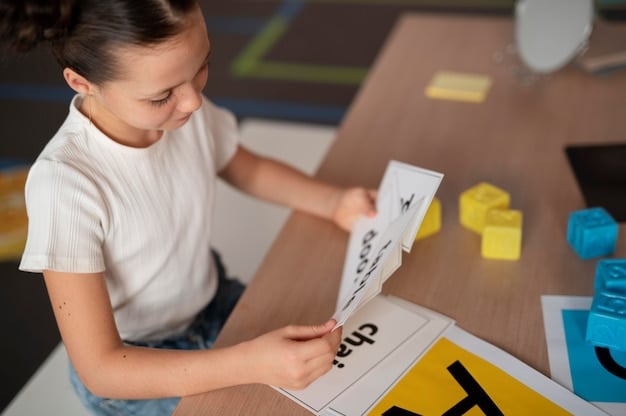
- Matching picture cards
- Doing a puzzle
- Sorting objects by color or size
Work should feel meaningful to the child. When children choose their own work, they often focus longer and feel proud. That is one reason Montessori supports independence. #Montessori
Why might a child not choose work?
There are many normal reasons. Here are common ones child care providers see:
- They feel overwhelmed. Too many choices can #freeze a child.
- They don’t know what to do. They may need a lesson or reminder.
- They are tired, hungry, or upset. Basic needs come first.
- They are new. New children often watch before they join.
- They want connection. Some children need a warm relationship moment before they can work.
- The work is not at their level. It might be too easy, too hard, or not interesting right now.
- The room is too busy. Noise, crowding, or fast movement can make it hard to start.
Instead of thinking, “They won’t,” try thinking, “They can’t yet—and I can help.”
What does Montessori suggest you do first?
Montessori starts with observation. Before you jump in, pause and watch for a minute.
Ask yourself:
- Where is the child standing or sitting?
- What are they looking at?
- Are they wandering, clinging, or hiding?
- Are other children blocking shelves or #materials?
- Did something happen earlier (drop-off, conflict, loud noise)?
A simple observation can help you choose the right support.
How can you help a child choose without forcing?
Montessori guidance is gentle, clear, and #respectful. Try these supports:
Use a “limited choice”
Some children do better when choices are smaller.
You can say:
- “Would you like to do pouring or puzzles?”
- “Do you want to start with table washing or matching cards?”
Then wait. Give them time to answer.
Offer a short, inviting lesson
Sometimes the child is stuck because they don’t remember how to begin.
Try:
- “I can show you one quick activity, and then you can choose what’s next.”
Pick something simple and calm, like rolling a mat, spooning, or a small matching tray.
Invite them to watch (watching is learning)
In Montessori, watching is not wasted time. It can be part of learning.
You can say:
- “You may watch quietly. When you’re ready, you can choose.”
This helps children who need #safety before they act.
Connect first, then guide
Some children need a relationship “refill.”
Try a quick connection:
- Smile, get down to their level, and say, “I’m glad you’re here.”
- Offer a short job you do together, like watering one plant.
Connection can turn into confidence.
What changes can you make in the prepared environment?
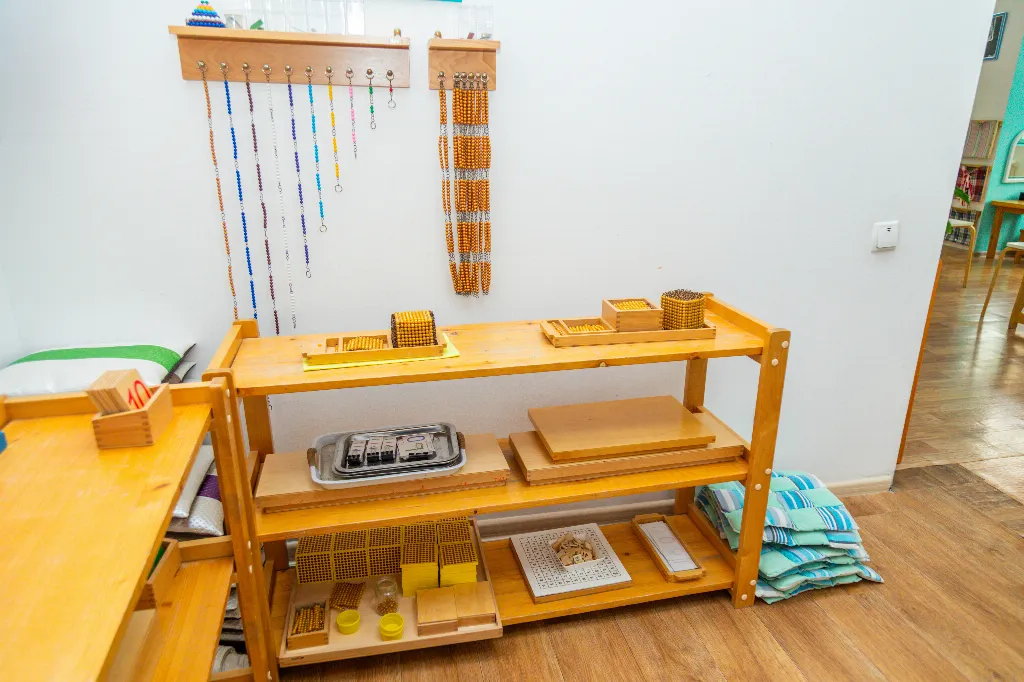
If children often avoid choosing work, the environment may need support. Montessori calls this the prepared environment—a space designed to help children succeed.
Here are practical fixes you can try today:
- Reduce clutter. Too many items can feel #stressful.
- Make materials complete. Missing pieces stop children from starting.
- Use clear trays or baskets. Children can see what to do.
- Place popular works in multiple spots. This reduces waiting and conflict.
- Rotate a few works. Bring back something familiar and remove something ignored.
- Check the shelf height. Children should reach materials without adult help.
- Create clear walking paths. Crowding can cause wandering.
A calm room makes it easier for a child to begin.
What can you say at the moment (simple scripts that work)?
Here are friendly phrases that match Montessori guidance:
- “I see you’re having a hard time choosing.”
- “Let’s take a breath. Then we’ll pick one thing to start.”
- “I will give you two choices.”
- “You may watch for a little while, then you’ll choose.”
- “I can help you get started, and then you can do it.”
Keep your words short. Too much talking can overwhelm a child who is already stuck.
When should you be concerned?
It’s normal for a child to struggle sometimes. But you may need extra support if you notice:
- The child avoids work every day for many days
- They seem very anxious, withdrawn, or angry during work time
- They cannot focus on any activity, even with help
- They often crash into others, throw materials, or melt down during choices
If this happens, use observation notes and talk with your team and the family. You may also consider screening supports if needed (based on your program’s process).
Where can you learn more and build your skills?
If you want more help with observation, independence, and the prepared environment, these trainings and resources can support you:
Related Montessori4Teachers courses (2–3):
- Mastering Observation Techniques in the Montessori Classroom
 Buy Now $16.00
 - The Prepared Environment: Montessori Class Design Buy Now $16.00
- Understanding Montessori's Approach to Child Development Buy Now $55.00
One free ChildCareEd resource (from Montessori4Teachers Free Resources):
One related ChildCareEd article:
Follow ChildCareEd on social media (and share with your team!):
- Follow ChildCareEd on TikTok: for quick activity ideas and #early-learning tips.
When a child won’t choose work, Montessori reminds us: the child is not “giving you a hard time.” The child is having a hard time. With calm observation, a well-prepared space, and gentle guidance, most children find their way back to purposeful work—one small choice at a time.
- Implementing the Montessori Curriculum
- Montessori Foundations
- Montessori Unveiled: Demystifying the Method for Parents
- Understanding Montessori's Approach to Child Development
- Engaging Parents in the Montessori Toddler Classroom
- Intro to Montessori: Philosophy, Principles, and Practices
- Raising Peaceful Learners: The Montessori Advantage
- Montessori Education vs. Traditional Preschool
- Control of Error in Montessori: Encouraging Independence Through Self-Correction
- Montessori Magic: Why Parents Choose It & How Your Program Can Shine
- 🌞 What If Every Day Felt Peaceful? A Montessori Rhythm for Home
- Top 10 Things You’ll Only Understand If You’re a Montessori Teacher
- Why Montessori Training Benefits Child Care Professionals
- When a child won’t choose work: what Montessori suggests
- Montessori Discipline for Providers: Firm, Kind, Consistent
- Montessori Approaches to Biting, Hitting, and Rough Play (Age-by-Age)
- Can Pouring, Spooning, and Snack Prep Build Independence in Montessori?
