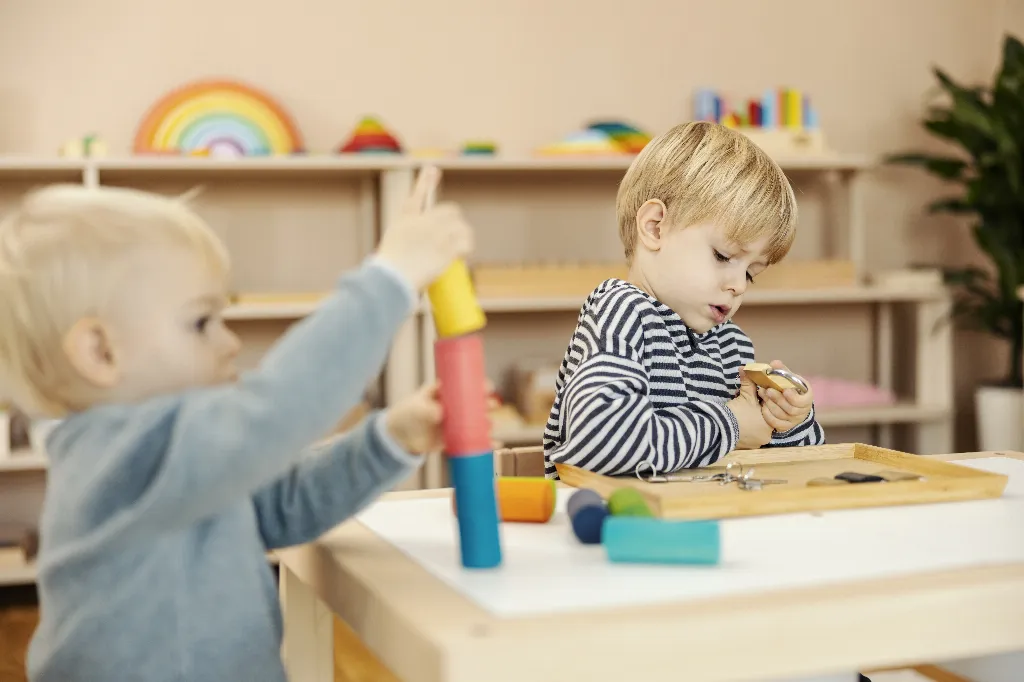
 Children #learn best when they can move, explore, and make choices. At the same time, they need adults to keep them #safe. This is where the idea of freedom within limits becomes very important. It allows children to grow while adults stay responsible for #safety and supervision.
In #early-childhood settings, #freedom within limits is not about letting children do whatever they want. It is about giving children safe choices inside clear, caring boundaries. When done well, this approach supports strong, active supervision and helps prevent injuries.
What Does “Freedom Within Limits” Mean in Child Care?
Freedom within limits means children are allowed to explore, choose activities, and solve problems—but only within safe and clear rules set by adults.
For example:
-
A child can choose which center to work in, but must stay where the #teacher can see them.
-
A child can climb, but only on equipment that is age-appropriate.
-
A child can use materials, but only in the way they are meant to be used.
These limits are not meant to control children. They are meant to protect them while still allowing independence.
This balance is especially helpful for safe supervision because #teachers stay aware, involved, and ready to step in when needed.
Why Is Freedom Within Limits Important for Safe Supervision?
Safe supervision means more than just watching children. It means being alert, close, and engaged. Freedom within limits supports this by creating a clear structure for both children and adults.
When limits are clear:
-
Children know what is safe
-
Teachers know what to watch for
-
Risks are easier to spot early
This approach reduces un #safe-behavior because children understand expectations. It also helps teachers focus on guiding instead of constantly correcting.
Freedom within limits supports:
-
Fewer injuries
-
Stronger teacher-child relationships
-
More confident children
-
Calmer #classrooms
These benefits help everyone feel #safer and more supported. #SafeSupervision #ChildSafety
How Clear Limits Help Children Stay Safe
Children feel safer when they know the rules. Clear limits help children understand what they can do instead of just what they cannot do.
Good limits are:
-
Simple
-
Positive
-
Consistent
Examples of clear limits include:
-
“Feet stay on the ground inside.”
-
“We walk near the swings.”
-
“We use tools with a teacher nearby.”
When limits are clear, children are less likely to take unsafe risks. They also learn to check their own behavior, which supports self-control and safety #awareness.
How Freedom Supports Learning and Awareness
Freedom is just as important as limits. When children are trusted with choices, they learn responsibility.
Freedom within limits allows children to:
-
Practice decision-making
-
Learn from small mistakes
-
Build confidence
-
Understand cause and effect
Teachers who allow safe freedom often notice that children become more aware of their surroundings. They learn to notice others, avoid hazards, and ask for help when needed.
This awareness makes supervision easier because children become partners in safety.
What Does Active Supervision Look Like with Freedom Within Limits?
Active supervision means teachers are always:
-
Watching
-
Listening
-
Moving
-
Anticipating problems
Freedom within limits works best when paired with active supervision strategies like:
-
Staying close to children
-
Scanning the whole area often
-
Positioning yourself where you can see all children
-
Knowing which children need extra support
A helpful visual reminder is the Active Supervision Poster Buy Now $0.00 from ChildCareEd. You can download and use it in your classroom to support daily safety practices:
👉 https://www.childcareed.com/r-00608-active-supervision-poster.html Buy Now $0.00
This kind of supervision allows children freedom while adults stay ready to step in before small risks turn into big problems. #ActiveSupervision
How Teachers Can Set Safe Limits Without Being Too Strict
Limits should protect children, not block learning. The goal is guidance, not control.
Here are some helpful tips:
-
Explain why a rule exists
-
Model safe behavior
-
Offer choices whenever possible
-
Review rules often, especially before transitions
-
Adjust limits based on age and development
For example, instead of saying “Don’t run,” say:
-
“We walk inside to keep everyone safe.”
This kind of #language supports understanding and cooperation.
Training That Supports Freedom Within Limits and Supervision
Ongoing training helps teachers feel confident balancing safety and independence. ChildCareEd offers excellent courses that support this approach.
Here are two highly relevant options:
-
Safe Supervision in Child Care: Birth to School Age
Learn how to actively supervise children in all settings while reducing risks.
👉 https://www.childcareed.com/courses-safe-supervision-in-child-care-birth-to-school-age-3918.html Buy Now $24.00
 -
Mindful Supervision: Balancing Safety & Independence in Montessori
This course focuses on observing children carefully while supporting independence and safety.
👉 https://www.montessori4teachers.com/courses-mindful-supervision-balancing-safety-independence-in-montessori-3996.html Buy Now $24.00
Both courses provide practical tools you can use right away.
How Families Benefit from Freedom Within Limits
Families often worry about safety in child care. When teachers use freedom within limits, families see that their children are both protected and respected.
This approach:
-
Builds trust with families
-
Supports emotional and social growth
You can share this helpful ChildCareEd article with families to explain the concept clearly:
👉 https://www.montessori4teachers.com/a/what-do- #parents-need-to-know-about-freedom-within-limits.html
When families and teachers use the same language around safety, children benefit even more. #EarlyChildhoodEducation
Final Thoughts: Safety and Independence Can Work Together
Freedom within limits is not an “either-or” choice between safety and independence. It is a thoughtful balance of both.
When teachers:
-
Set clear limits
-
Stay actively involved
-
Trust children with safe choices
Children learn how to explore the world safely and confidently.
This approach supports strong supervision, reduces injuries, and helps children grow into capable, aware learners.
Want more tips, training updates, and classroom ideas?
👉 Follow ChildCareEd on Facebook: https://www.facebook.com/childcareed
👉 Check out ChildCareEd on TikTok for quick tips and videos: https://www.tiktok.com/@childcareed
Stay connected and keep learning ways to support safe, joyful learning every day.
- Development of Social and Emotional Skills in Montessori Education
- Understanding Intrinsic Motivation in Montessori Education
- Understanding Montessori Toddler Education
- Intrinsic Motivation in Montessori Education
- Montessori Education: Encouraging Independence and Self-Discipline
- Teaching the Montessori Way: A Guide for Educators
- Montessori Magic at Home: Tips for Every Age
- Montessori and Positive Discipline: A Balanced Approach
- What Do Parents Need to Know About Freedom Within Limits?
- Are the Top 5 Montessori Myths Holding You Back?
- How “Freedom Within Limits” Supports Safe Supervision
