Graceful Guidance: Montessori Classroom Management
Creating Peaceful, Purposeful Learning Environments
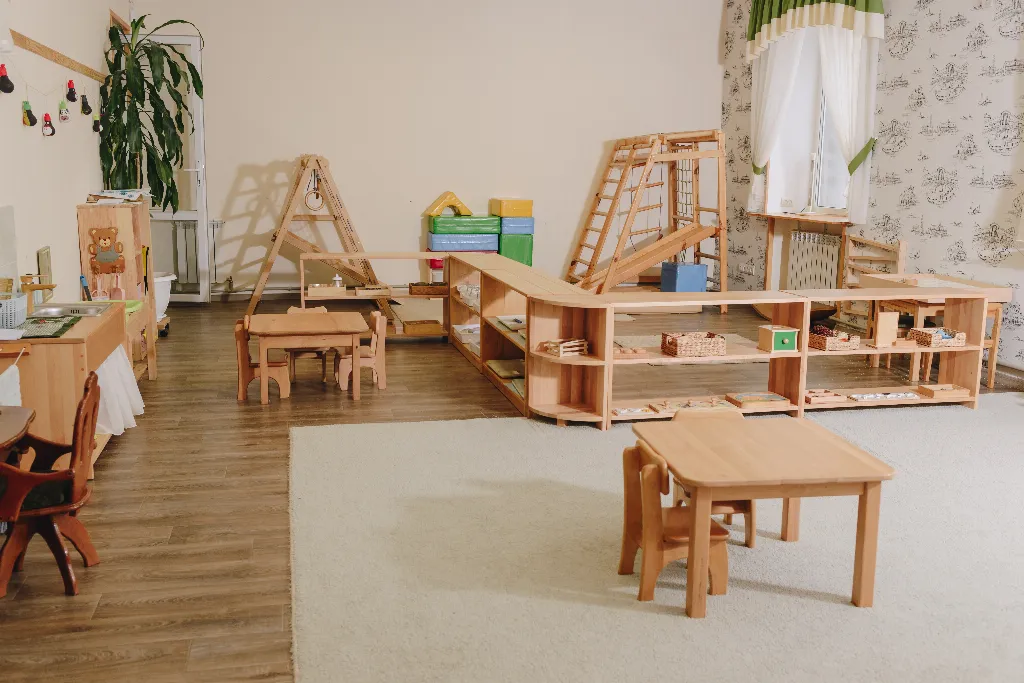
Classroom management in the Montessori environment is beautifully unique. It goes beyond simply keeping order—it's about fostering independence, mutual respect, and a deep love of learning. Unlike traditional systems built on rewards and punishments, the Montessori approach emphasizes prepared environments, intrinsic motivation, and gentle guidance to support the child’s natural #development.
Whether you're a seasoned Montessori #teacher or new to the philosophy, learning the art of #classroom management the Montessori way is essential to creating a harmonious and productive learning space. Here’s how it works—and how you can strengthen your skills through specialized training from Montessori4Teachers.com.
What Makes Montessori Classroom Management Different?
At its core, Montessori classroom management is based on the belief that children are capable of self-regulation when given the right tools, #freedom within limits, and respectful guidance. Key differences from traditional classroom management include:
-
Prepared Environment: The classroom is intentionally designed to promote order, independence, and self-discipline.
-
Freedom Within Limits: Children have choices in their activities, but within a structure that supports respect for others and materials.
-
Grace and Courtesy: Lessons that teach children how to move, speak, and interact respectfully in the #classroom-community.
-
Role of the Teacher: The teacher acts as a guide or observer, rather than a controller, modeling appropriate behavior and stepping in only when necessary.
Rather than relying on external rewards or punishments, Montessori #educators use observation, redirection, and connection to help children develop self-control and awareness.
The Key Principles of Montessori Classroom Management
Here are some foundational principles that guide effective classroom management in a Montessori environment:
Consistency and Structure
Children thrive in environments that are predictable and structured. In Montessori #classrooms, routines and clear expectations are part of the daily rhythm, giving #students a sense of security.
Respect for the Child
Montessori educators treat students with respect, recognizing their individuality and capacity for #growth. This mutual respect sets the tone for peaceful interactions and cooperative behavior.
Freedom and Responsibility
With freedom comes responsibility. Children learn to manage their time, make choices, and take ownership of their work—skills that are nurtured through trust, support, and natural consequences.
Observation and Intervention
Teachers are trained to observe quietly and intervene only when needed, ensuring that the child’s independence is not disrupted unless necessary.
Community and Collaboration
Montessori classrooms foster a sense of community where children of mixed ages help one another, resolve conflicts peacefully, and learn to function as respectful members of a group.
Build Your Skills with Montessori4Teachers.com
Want to master Montessori classroom management? Montessori4Teachers.com offers a range of affordable, flexible online courses designed to help you implement authentic Montessori principles in your classroom.
Explore our most relevant offerings:
-
🌿 Montessori Classroom Management Essentials
Learn strategies to create calm, purposeful environments and manage challenges the Montessori way. -
🧒 Positive Discipline in the Montessori Classroom
Discover techniques for guiding behavior through connection, #empathy, and respectful boundaries. -
🪴 Montessori Philosophy & Foundations
Strengthen your understanding of Montessori theory to deepen your classroom practice.
Each course is:
-
100% online and self-paced
-
Designed for both new and experienced educators
-
Packed with practical tools, downloadable resources, and expert instruction
Final Thoughts: Lead with Peace and Purpose
Montessori classroom management is about more than keeping order—it’s about nurturing the whole child and building a space where everyone can thrive. By embracing respect, responsibility, and the prepared environment, you can create a classroom that runs on harmony rather than control.
Ready to transform your classroom?
🎓 Explore Montessori Classroom Management Courses
- Implementing the Montessori Curriculum
- Montessori Foundations
- Understanding Montessori's Approach to Child Development
- Intro to Montessori: Philosophy, Principles, and Practices
- Montessori Unveiled: Demystifying the Method for Parents
- Mindful Supervision: Balancing Safety & Independence in Montessori
- Raising Peaceful Learners: The Montessori Advantage
- Understanding Multi-Age Classrooms in Montessori Education
- Long-Term Benefits for Students: Montessori Education
- Montessori Education: Encouraging Independence and Self-Discipline
- Becoming a Montessori Assistant Teacher
- Unlocking Your Path to Montessori: The Ultimate Guide to Becoming an Educator
- Montessori and Positive Discipline: A Balanced Approach
