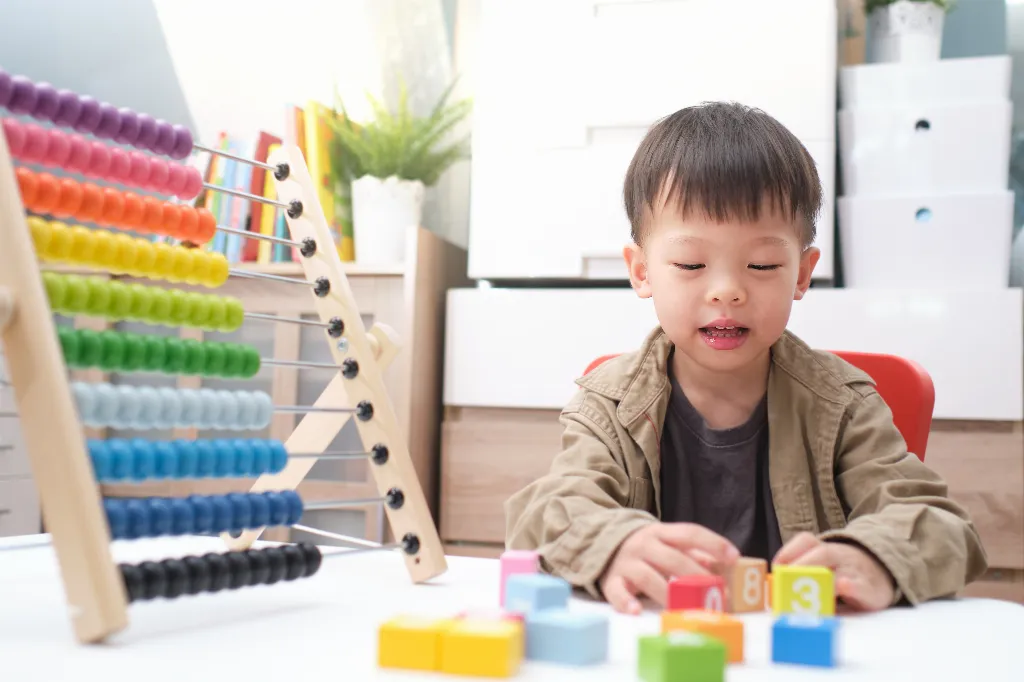
 Montessori education, #developed by Dr. Maria Montessori in the #early 20th century, is renowned for its unique approach to fostering self-directed learning. In Montessori #classrooms, children are empowered to choose their activities within structured boundaries, promoting independence, motivation, and a lifelong love for learning.
Core Principles of Self-Directed Learning in Montessori
Self-directed learning in the Montessori context is built upon several foundational principles:
- Child-Centered Approach: Recognizing that each child is unique, Montessori education tailors learning experiences to individual interests and #developmental stages.
- Prepared Environment: Classrooms are meticulously organized with materials and activities that encourage exploration and discovery.
- Role of the Educator: Teachers act as guides or facilitators, observing and supporting rather than directing every action.
These principles work in harmony to create an environment where children feel confident and capable of directing their own learning journeys.
The Prepared Environment: A Catalyst for Independence
In Montessori education, the #classroom-environment is carefully designed to support self-directed learning. Key features include:
- Accessibility: Materials are placed on low shelves, allowing children to select and return items independently.
- Order and Structure: A well-organized space helps children develop a sense of order and responsibility.
- Aesthetically Pleasing Design: An inviting environment stimulates curiosity and #engagement.
This thoughtfully prepared setting empowers children to make choices and take ownership of their learning.
Freedom Within Limits: Balancing Choice and Structure
While Montessori education offers children the #freedom to choose their activities, this freedom exists within clear and consistent boundaries. This balance ensures that children experience autonomy while understanding the importance of respect and responsibility. For practical classroom strategies and examples to implement this approach, see Balance Freedom and Structure in the Montessori Early Childhood Classroom. Key aspects include:
- Clear Expectations: Guidelines help children understand acceptable behaviors and routines.
- Natural Consequences: Children learn from the outcomes of their choices, fostering critical thinking and problem-solving skills.
- Collaborative Rule-Making: Involving children in establishing classroom norms promotes a sense of community and accountability.
This approach #nurtures self-discipline and intrinsic motivation, essential components of lifelong learning.
The Role of the Educator: Guide and Observer
In Montessori classrooms, #educators #play a pivotal role in facilitating self-directed learning. Their responsibilities include:
- Observing Individual Interests: By closely monitoring each child, #teachers can introduce materials and activities that align with individual passions and developmental needs.
- Providing Appropriate Materials: Ensuring that the classroom is equipped with diverse resources that cater to varying skill levels and interests.
- Encouraging Reflection: Guiding children to think about their learning processes and outcomes fosters self-awareness and #growth.
Through these actions, educators support a learning environment where children feel empowered to explore and learn autonomously.
Benefits of Self-Directed Learning in Montessori Education
Embracing self-directed learning within the Montessori framework offers numerous advantages:
- Enhanced Motivation: Children engage more deeply when they have a say in their learning activities.
- Development of Critical Thinking: Making choices and experiencing consequences cultivates problem-solving skills.
- Improved Social Skills: Collaborative activities and peer learning opportunities enhance communication and #empathy.
- Preparation for Real-World Challenges: Fostering independence and adaptability equips children with skills necessary for future success.
These benefits underscore the effectiveness of self-directed learning in nurturing well-rounded, capable individuals.
Supporting Educators in Implementing Self-Directed Learning
For educators seeking to incorporate self-directed learning principles into their classrooms, professional development is crucial. Montessori4Teachers.com offers a variety of training programs designed to equip teachers with the necessary skills and knowledge.
Recommended Training Programs
- Mastering Observation Techniques in the Montessori Classroom
 Buy Now $16.00: Gain the skills to interpret what you see, adapt educational practices, and meet the unique needs of every child
 - The Prepared Environment: Montessori Class Design Buy Now $16.00: This course delves into creating learning spaces that promote independence and self-motivation, essential components of self-directed learning.
These programs are designed to enhance educators' understanding and implementation of self-directed learning strategies in their classrooms.
Additional Resources for Montessori Educators
Beyond training, access to quality resources is vital for continuous improvement. Montessori4Teachers.com provides various materials to assist educators:
- DIY Sandpaper Number Guide: Montessori-inspired learning tool that helps children develop number recognition through tactile exploration.
- Montessori Education and Geography Learning in Early Childhood: This article discusses how Montessori geography helps young learners #develop a deep understanding of the world through hands-on exploration and discovery
Follow us on Instagram to learn more about strategies to support your #students every day!
Conclusion
Self-directed learning is a cornerstone of Montessori education, empowering children to take charge of their educational journeys within a supportive and structured environment. By embracing this approach, educators can foster independence, motivation, and a lifelong passion for learning in their students. Through thoughtfully prepared environments, balanced freedom, and dedicated guidance, Montessori education continues to nurture confident and capable learners prepared to navigate the complexities of the modern world.
For more insights and resources on implementing self-directed learning in Montessori education, visit Montessori4Teachers.com.
- Authentic Montessori in Action
- Implementing the Montessori Curriculum
- Montessori Foundations
- Montessori Assistant Training
- Understanding Montessori's Approach to Child Development
- Mastering Observation Techniques in the Montessori Classroom
- Intro to Montessori: Philosophy, Principles, and Practices
- Montessori Unveiled: Demystifying the Method for Parents
- Engaging Parents in the Montessori Toddler Classroom
- Understanding Montessori’s Approach to Child Development
- The Purpose of Practical Life in Montessori Education
- The History of Montessori
- Montessori For All
- Long-Term Benefits for Students: Montessori Education
- Focus on the Whole Child: The Montessori Approach to Holistic Development
- Unlocking the Power of Practical Life: A Montessori Foundation
- Understanding the Basis and Benefits of Montessori Education
- Montessori for Infants: Nurturing Independence from the Start
