Introduction: What is Montessori behavior management?
Behavior management in Montessori education differs significantly from traditional discipline methods. Instead of relying on punishment or external rewards, Montessori #educators use an approach called " #freedom within limits" to encourage self-regulation and respect for others. By creating a structured yet flexible learning environment, children #develop self-discipline, independence, and a sense of responsibility. For practical training, see our ChildCareEd courses Montessori Made Simple Buy Now $35.00 and Raising Peaceful Learners  Buy Now $16.00 for guided strategies and classroom implementation.
In this article, we will explore the lesser-known strategies used in Montessori behavior management, how they differ from conventional methods, and how #parents and educators can apply these techniques effectively.
Understanding Behavior Management in Montessori Education: How is it different?
Montessori #classrooms emphasize proactive behavior management rather than reactive discipline. Teachers set up the environment to prevent behavioral issues before they arise and guide children toward making positive choices.
What are the key principles of Montessori behavior management?
- Freedom Within Limits – Children have the freedom to choose their activities, but this freedom is guided by clear and consistent boundaries.
- Natural Consequences – Instead of imposing punishments, children experience the natural consequences of their actions, which helps them learn responsibility.
- Respectful Communication – Teachers use calm, positive #language to redirect behaviors instead of issuing commands or reprimands.
- Inner Discipline Development – Montessori fosters self-control by encouraging children to manage their own behaviors rather than relying on external authority.
These principles create a #classroom-environment that minimizes behavioral issues and encourages self-regulation from an #early age. See also The Montessori Classroom: Fostering Independence and a Love for Learning for examples of how room design and mixed-age groupings support independence.
How does Montessori behavior management differ from traditional discipline?
Montessori behavior management prioritizes prevention, autonomy, and intrinsic motivation rather than adult-imposed punishment. Teachers design the prepared environment, scaffold choices, and use respectful redirection so children can practice self-regulation in real contexts. Natural and logical consequences, Calm Redirection, and Grace & Courtesy lessons teach responsibility, problem-solving, and social competence without shaming. This approach contrasts with traditional systems that often rely on external rewards, punishments, or hierarchical commands. For a practical comparison and strategies for integrating positive-discipline ideas, see Montessori and Positive Discipline: A Balanced Approach.
What are unique Montessori behavior management techniques?
Montessori educators use several innovative strategies to support behavior management in #preschool-aged children. These methods promote intrinsic motivation, social harmony, and a peaceful learning atmosphere.
How does "Freedom Within Limits" support self-discipline?
One of the most misunderstood aspects of Montessori is the concept of freedom. While children are free to make choices, they must do so within the structure of classroom expectations. This means that children learn to be responsible for their actions rather than simply following rules out of fear of punishment. For practical guidance on implementing the right balance of freedom and structure in early childhood settings, see Balance Freedom and Structure in the Montessori Early Childhood Classroom.
Example: If a child is misusing a Montessori material (e.g., throwing blocks instead of stacking them), the # teac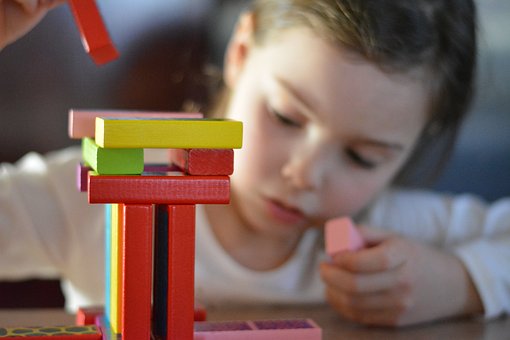 her might say, "I see you're interested in throwing. Let’s find a ball for you to throw instead." This approach redirects the child’s energy toward an appropriate activity rather than simply saying “No.”
How do natural and logical consequences teach responsibility?
Instead of timeouts or scolding, Montessori educators use natural and logical consequences to help children understand the impact of their actions.
- Natural Consequences: If a child spills water while pouring, they are encouraged to clean it up, learning responsibility in the process.
- Logical Consequences: If a child mishandles a classroom material, they may need to take a break from using it until they are ready to handle it properly.
This method teaches accountability without shaming the child.
How does respectful redirection and positive language change behavior?
Rather than using harsh commands, Montessori #teachers reframe their language positively and respectfully.
- Instead of saying, “Stop running!”, a teacher might say, “We use walking feet inside to keep everyone #safe.”
- Instead of “Don’t grab that!”, a teacher might say, “Let’s take turns using this material.”
This approach fosters respectful communication and encourages children to make better choices.
What is the Silence Game and how does it develop self-regulation?
A unique tool in Montessori behavior management is the Silence Game—an activity that helps children develop self-control and awareness. During this game, children are invited to sit quietly and listen to the sounds around them, helping them peacefully practice self-discipline.
This exercise teaches children to manage their own energy levels, making it easier for them to transition between activities without disruptive behavior.
What are Grace and Courtesy lessons and how do they reduce conflict?
Montessori classrooms emphasize social harmony through Grace and Courtesy lessons, which teach children how to interact respectfully with others.
Topics covered include:
- How to greet others politely
- How to ask for help
- How to handle disagreements peacefully
- How to care for shared materials
These lessons are often presented through role-playing and real-life practice, helping children build strong social skills that reduce conflicts. Read more: Development of Social and Emotional Skills in Montessori Education, which explains how Grace & Courtesy lessons feed social-emotional growth.
How can parents apply Montessori behavior strategies at home?
Parents can incorporate Montessori behavior management techniques into their daily routines to encourage self-discipline and respect in their children. For parents of very young children, see Understanding Montessori Toddler Education for age-appropriate adaptations and routines.
How do you create a prepared environment at home?
- Arrange a #home environment where children can access their belongings independently.
- Use child-sized furniture and utensils to foster self-reliance.
How can parents encourage freedom within limits?
- Give choices within boundaries (e.g., "Would you like to wear the red shirt or the blue one?" instead of "What do you want to wear?").
- Allow children to complete simple tasks on their own, such as setting the table or putting away toys.
How should parents use positive language and redirection?
- Instead of "Stop yelling!", try "Let's use a quiet voice inside."
- Instead of "Don't touch that!", say "This is fragile. Let's use our gentle hands."
How can parents introduce natural consequences safely?
- If a child refuses to wear a coat in cold #weather, let them experience the chill for a moment before offering the coat again.
- If they leave their toys outside, allow them to see what happens when it rains instead of repeatedly reminding them to bring them in.
Where can I find training and resources about Montessori behavior management?
For educators and parents looking to enhance their understanding of Montessori discipline techniques, Montessori4Teachers.com offers valuable training programs and resources.
- Enroll in a Montessori Training Course: Raising Peaceful Learners: The Montessori Advantage Buy Now $16.00 provides educators with in-depth knowledge of classroom discipline.
- Explore Montessori Resources: Classroom Behavior Poster provides practical strategies to support positive behavior.
- Read More About Montessori Discipline: Check out this article: The Montessori Prepared Environment: Fostering Independence.
- Shelf Work in Montessori Education: Encouraging Independence and Learning
How can I follow your Montessori resources on social media?
Stay updated with more Montessori insights, tips, and resources by following us on social media: Follow us on Pinterest.
Conclusion: What are the key takeaways?
Behavior management in Montessori education is not about controlling children but empowering them to regulate their own behavior. By implementing strategies like freedom within limits, natural consequences, and Grace and Courtesy lessons, children develop lifelong skills in self-discipline, problem-solving, and respectful communication.
For more resources and training, visit Montessori4Teachers.com.
- Authentic Montessori in Action
- Montessori Foundations
- Understanding Montessori's Approach to Child Development
- Mastering Observation Techniques in the Montessori Classroom
- Intro to Montessori: Philosophy, Principles, and Practices
- Montessori Unveiled: Demystifying the Method for Parents
- Engaging Parents in the Montessori Toddler Classroom
- The Montessori Assistant's Toolkit
- Understanding Montessori’s Approach to Child Development
- Intrinsic Motivation in Montessori Education
- Control of Movement: Enhancing Motor Coordination and Concentration
- The Purpose of Practical Life in Montessori Education
- Montessori Education: Encouraging Independence and Self-Discipline
- Shelf Work in Montessori Education: Encouraging Independence and Learning
- Understanding the Basis and Benefits of Montessori Education
- Montessori for Infants: Nurturing Independence from the Start
- Montessori and Positive Discipline: A Balanced Approach
