In Montessori education, the Sensitive Period for Movement  Buy Now $16.00 These concepts are also explored in practical ChildCareEd courses such as Balancing Active Play in Child Care Buy Now $16.00 and Creating Safe & Healthy Child Care Environments Buy Now $55.00, which give concrete strategies for planning safe play, adapting activities across ages, and meeting health and licensing expectations. Refers to a critical phase in a child's life, from birth to approximately four years old, during which they are exceptionally driven to #develop and refine their motor skills. Recognizing and supporting this period is vital for fostering a child's physical coordination, independence, and overall #development.
What is the Sensitive Period for Movement?
Maria Montessori described distinct windows when young children absorb elements of their world. One of these is the Sensitive Period for Movement. It begins at birth and typically continues until about four years. In this window, children show a strong, repeated interest in moving. They practice gross motor skills (for example, crawling and walking) and fine motor skills (for example, grasping, holding, and manipulating small objects). These repeated motor experiences strengthen the brain networks that support coordination, attention, and later learning.
Phases of Movement Development
- Acquisition of Gross and Fine Motor Skills (Birth to 2.5 Years):
- Gross Motor Skills: Development of large muscle movements such as crawling, standing, and walking.
- Fine Motor Skills: Development of hand and finger movements like grasping, holding, and manipulating objects.
- Refinement and Coordination of Movement (2.5 to 4 Years):
- Enhanced Coordination: Improvement in balance, agility, and precision of movements.
- Complex Motor Tasks: Ability to perform tasks that require coordinated use of both gross and fine motor skills.
Why is it important to support movement development?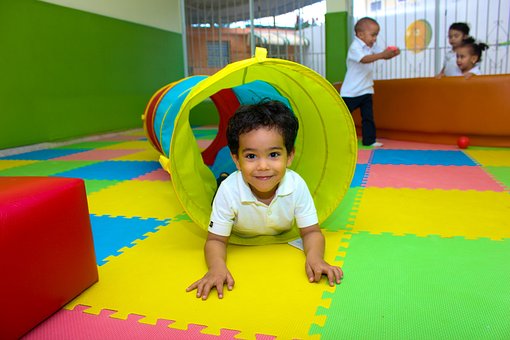
Supporting movement development during this sensitive period is crucial for several reasons:
- Physical Health: Encourages muscle development, balance, and overall physical fitness.
- Cognitive Development: Movement activities stimulate brain development and enhance learning capabilities. See Exploring the Cognitive and Emotional Benefits of Movement for more on this connection.
- Emotional Well-being: Successful movement experiences boost confidence and independence.
- Social Skills: Participating in physical activities with peers fosters social interaction and cooperation.
How can I support movement development?
To #nurture a child's movement development during this sensitive period, consider the following strategies: See practical activities in How motor skills shape child development and creative ways educators can foster them and targeted exercises in Increasing Fine Motor Skills in the Early Childhood Education Classroom. For course-based training that covers large- and small-muscle work for ages birth to five, see ChildCareEd's CDA Home Visitor Subject Area 2 — Birth to 5 Buy Now $40.00.
How do I provide a safe and stimulating environment?
- Safe Spaces: Ensure areas are child-proofed to allow #free exploration without hazards.
- Variety of Materials: Offer age-appropriate toys and tools that encourage different types of movement.
How can I encourage active play?
- Outdoor Activities: Facilitate activities like running, climbing, and jumping in #safe #outdoor settings.
- Indoor Exercises: Incorporate activities such as dancing, stretching, and obstacle courses.
How do practical life activities support movement?
- Daily Tasks: Involve children in simple chores like sweeping, pouring, and dressing, which enhance motor skills. For a deeper look at how Practical Life activities build independence and refine motor control, see Unlocking the Power of Practical Life: A Montessori Foundation.
- Cooking and Gardening: Engage children in activities that require measuring, mixing, planting, and digging.
Which Montessori materials support movement development?
- Sensorial Materials: Use tools that refine the senses and require precise movements, such as knobbed cylinders and color tablets.
- Manipulative Materials: Introduce #puzzles, building blocks, and threading activities to develop hand-eye coordination. Montessori shelf work—organized, accessible presentations of these manipulative materials that invite independent, self-directed practice—supports children’s repetition and mastery; see Montessori shelf work for practical examples.
What is the role of adults in supporting movement development?
Adults #play a pivotal role in facilitating movement development during this sensitive period:
- Observation: Carefully observe the child's interests and #developmental stage to provide appropriate activities.
- Encouragement: Offer positive reinforcement to motivate and build confidence.
- Modeling: Demonstrate movements and tasks to guide the child’s learning process.
- Patience: Allow children to practice movements repeatedly, understanding that repetition is key to mastery.
What challenges should educators anticipate?
While supporting movement development, be mindful of potential challenges:
- Safety Concerns: Ensure that the environment is secure to prevent injuries during active exploration.
- Individual Differences: Recognize that each child develops at their own pace and tailor activities accordingly.
- Over-Scheduling: Avoid overwhelming children with structured activities; allow ample time for #free-play and spontaneous movement.
What are the key takeaways and next steps?
The Sensitive Period for Movement is a high-yield window when children rapidly build the motor patterns that support later learning. Practical steps: (1) observe and document motor behaviors regularly; (2) adapt the environment to allow safe repetition and graded challenge; (3) prioritize free play and age-appropriate practical-life tasks; and (4) consult families and refer promptly when progress stalls. For immediate professional development, consider enrolling in the ChildCareEd courses referenced above to get ready-to-use lesson plans and safety checklists. Finally, confirm any training acceptance with your state licensing or registry when you need course-credit verification.
For educators seeking to deepen their understanding and effectively support children's movement development during this sensitive period, specialized training programs are available at Montessori4Teachers.com. These programs equip educators with the necessary knowledge and skills to create engaging and effective learning environments.
Additionally, a variety of resources are available to support educators in implementing Montessori principles effectively. These resources provide valuable insights and tools to enhance teaching practices.
For further reading on the impact of professional development programs on # teachers and their #classrooms, consider exploring relevant articles that delve into this topic.
Engaging with professional communities on social media platforms can also provide valuable support and insights. Platforms like TikTok and X offer opportunities to connect with fellow educators and access a wealth of shared experiences and resources.
By utilizing these resources and engaging with the broader educational community, educators can enhance their practice and better support children's development during the Sensitive Period for Movement. For guidance on integrating movement support into a wider Montessori framework that nurtures cognitive, social, emotional, and physical growth, see Focus on the Whole Child: The Montessori Approach to Holistic Development.
- The Montessori Classroom: Theory to Practice
- The Absorbent Mind in Montessori Education
- Sensitive Periods in Child Development
- Understanding Sensitive Periods in Montessori Education
- Understanding the Sensitive Period for Language
- Understanding the Sensitive Period for Movement
- The Transformative Power of Montessori
- Understanding Montessori’s Vision of Childhood
- Everyday Montessori
