Montessori education emphasizes nurturing the whole child—not only academic skills but also cognitive, social, emotional, and physical development. The method promotes independence, intrinsic motivation, and a sustained love of learning. To deepen practical knowledge and classroom application, consider ChildCareEd trainings such as Montessori Made Simple: For Today's Teachers Buy Now $35.00 and Montessori Foundations  Buy Now $10.00, which explain core principles and setup of the prepared environment.
What Does It Mean to Focus on the Whole Child?
How does a Montessori classroom promote holistic growth? By combining hands-on materials, predictable routines, and teacher guidance so children's emotional, social, physical, and intellectual needs develop together. Practical classroom arrangements and daily rhythms help children practice independence and regulation. See how those rhythms play out across a typical preschool schedule in A Montessori Day: Calm, Curious, Connected, which walks through daily routines that support regulation, independence, and social connection. For classroom setup ideas and age-specific strategies, see Understanding Montessori Toddler Education.
What are the key areas of whole-child development in Montessori?
- Cognitive Development
- Montessori #classrooms encourage critical thinking, problem-solving, and hands-on exploration.
- Materials such as #math manipulatives, sensorial tools, and practical life activities help children make meaningful connections between concepts.
- Self-paced learning allows children to progress at their own #speed, fostering confidence and deep understanding.
- Social Development
- Mixed-age classrooms provide opportunities for mentorship, collaboration, and peer learning. For elementary-specific strategies that develop children's curiosity, responsibility, and civic engagement through project-based learning and leadership roles, see Elementary Montessori: Fostering Curiosity & Responsibility.
- Children learn conflict resolution, #empathy, and communication skills through cooperative #play and group activities.
- The Montessori method encourages respect for others, fostering a sense of community and social responsibility.
- Emotional Development
- Children develop self-regulation skills by making choices and managing their time effectively.
- The prepared environment allows for independence and self-confidence, helping children trust in their abilities.
- Educators guide #students in expressing emotions constructively and building resilience. Practical approaches to nurturing calm, confident children—including respectful adult responses and classroom strategies—are described in Raising Calm, Confident Kids—The Montessori Way.
- Physical Development
- Montessori emphasizes hands-on, movement-based learning that refines fine and #gross-motor-skills.
- Activities such as sweeping, pouring, and buttoning in Practical Life exercises support coordination and independence.
- Outdoor play and nature exploration encourage physical activity and a connection to the natural world.
How does the Montessori environment support whole-child development?
Montessori classrooms are intentionally designed to support each aspect of a child’s growth:
- Freedom Within Limits – Children make choices about their learning while being guided by structured routines and expectations.
- Prepared Environment – The classroom is designed to be calm, organized, and engaging, allowing children to focus and thrive.
- Self-Directed Learning – Children take ownership of their learning, fostering intrinsic motivation and curiosity.
- Respect and Community – Montessori values teach respect for self, others, and the environment, creating a #culture of kindness and responsibility.
How do educators observe and assess whole-child development in Montessori classrooms?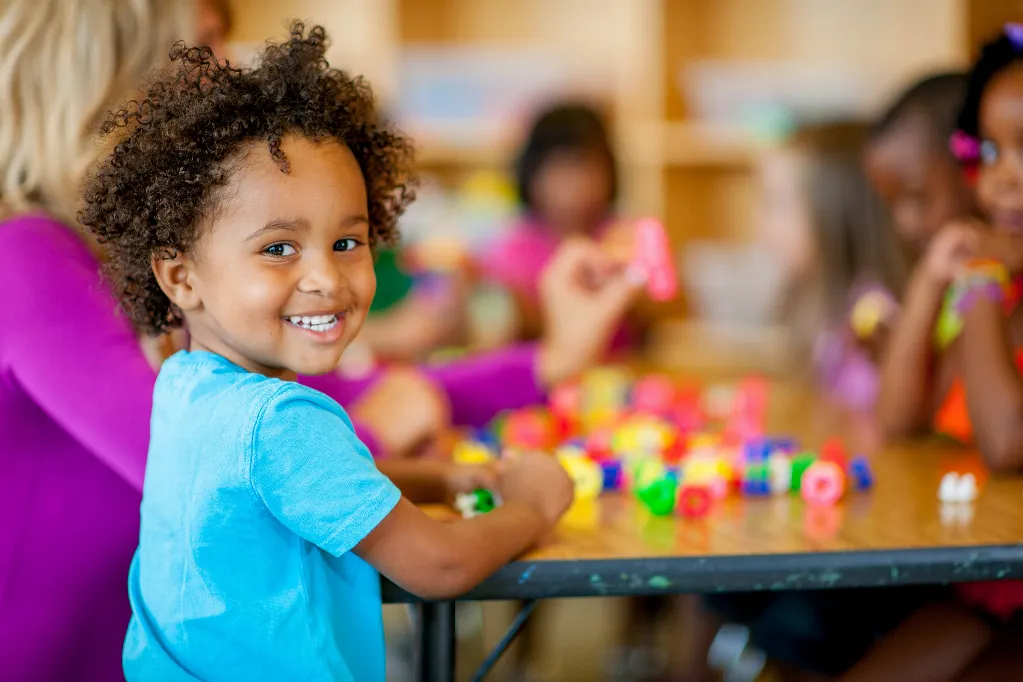
Systematic observation is central to Montessori practice because it reveals each child's emerging skills, interests, and needs. Educators use time-sampled notes, running records, photographic documentation, and short learning stories to capture growth across cognitive, social, emotional, and motor domains. Observation should be regular, objective, and triangulated with work samples and family input so that planning is responsive rather than prescriptive.
Practical steps for observation and formative assessment:
- Use short, focused observation periods (10–20 minutes) and rotate through children so each child is observed frequently.
- Record objective behaviors and work outcomes; avoid interpretive labels in notes. Return later to the notes to look for patterns.
- Share concise summaries with families and set 1–2 attainable goals with the child when appropriate.
Tools that support reliable observation include checklists and structured templates. ChildCareEd's Mastering Observation Techniques in the Montessori Classroom Buy Now $16.00 outlines observation formats and ethical documentation practices. For motor development links between movement and learning, see How motor skills shape child development and for brain-development context see Montessori Education and Brain Development.
How can child care programs implement Montessori practices to support the whole child?
Implementing Montessori across a program requires intentional planning: staff training, adjustments to the physical environment, and consistent routines. Start with a pilot classroom, provide staff with focused professional development, and use observation data to guide material selection and scheduling. If your team is still deciding whether Montessori aligns with your program's philosophy and practical goals, review Montessori & You: A Perfect Match? for guidance and resources to help evaluate fit and plan next steps.
Key implementation actions for programs:
- Prioritize staff training on the prepared environment and mixed-age grouping—courses such as The Prepared Environment: Montessori Class Design Buy Now $16.00 bring concrete examples for classroom layout.
- Phase in materials: introduce Practical Life items first to build coordination and concentration, then sensorial and math materials.
- Engage families with clear, short communications about routines and the purpose of materials; invite families to observe and celebrate milestones.
For design inspiration and discovery-focused layouts, see The Montessori Classroom: A World Designed for Discovery and for practical-life emphasis see The Purpose of Practical Life in Montessori Education.
How Can Parents Support Whole-Child Development at Home?
Montessori principles can also be incorporated into #home environments to support holistic development:
- Provide hands-on learning experiences that encourage curiosity and exploration.
- Foster independence by allowing children to make choices and complete tasks on their own.
- Encourage social and emotional growth through open conversations, problem-solving, and emotional validation.
- Support physical development through movement-based activities, nature exploration, and practical life skills.
What are the main takeaways about Montessori's whole-child focus?
The Montessori focus on the whole child ensures that children develop the skills they need to thrive not just academically, but in all areas of life. By nurturing cognitive, social, emotional, and physical growth, Montessori education fosters well-rounded individuals who are independent, compassionate, and prepared for lifelong learning.
What Should Educators and Parents Remember About Montessori's Whole-Child Focus?
Montessori's whole-child approach intentionally weaves environment, materials, routines, and observation into daily practice so that cognitive, social, emotional, and physical development advance together. Practical next steps make this approach usable across classrooms and homes:
- Implement regular, short observations: schedule weekly 10–20 minute time-sampled observations so each child is seen frequently; record objective behaviors, work samples, and brief learning goals.
- Prioritize Practical Life and concentration-building activities first, then phase in sensorial and academic materials to match emerging interests and skills.
- Start small at the program level: pilot one classroom, invest in targeted staff training on the prepared environment and observation, and reflect in brief team meetings to iterate materials and schedules.
- Engage families with concise communication: share short observational summaries, invite classroom visits, and set 1–2 attainable goals together each term.
- Use data to guide changes: triangulate observations, work samples, and family input; adjust materials or routines when patterns suggest a child needs more challenge or support.
These concrete steps help translate Montessori principles into measurable classroom practice. When programs combine consistent observation, intentional materials, staff development, and family partnership, children gain independence, resilience, and a genuine love of learning that spans cognitive, social, emotional, and physical domains.
For more insights on Montessori education, explore Understanding Montessori's Approach to Child Development Buy Now $55.00 training available at Montessori4Teachers.com. Free Resources such as the Child Physical Activity Checklist assist educators in assessing children’s development.
Read more about holistic Montessori learning in our latest article Motivation’s vital role in how children engage with learning.
Stay connected and get more Montessori inspiration by following us on Facebook!
- Understanding Montessori’s Approach to Child Development
- Montessori Education vs. Traditional Preschool
- Applying Montessori Principles at Home: A Guide for Parents
- Development of Social and Emotional Skills in Montessori Education
- The Montessori Classroom: Fostering Independence and a Love for Learning
- Focus on the Whole Child: The Montessori Approach to Holistic Development
- Understanding the Basis and Benefits of Montessori Education
- Montessori for Infants: Nurturing Independence from the Start
- A Montessori Day: Calm, Curious, Connected
