The Transformative Power of Montessori: Making a Difference in Early Childhood
Early childhood is a period of remarkable #growth-and #development, a time when the foundations for future learning and success are laid. The Montessori method, with its unique approach to education, offers a profound and lasting impact on children during these crucial years.
This article answers: How does a Montessori approach shape early learning outcomes, and what practical steps can educators take to apply Montessori principles in their classrooms? For instructors seeking concise, classroom-ready training, consider ChildCareEd courses Montessori Made Simple Buy Now $35.00 and Montessori Foundations  Buy Now $10.00, both of which translate Montessori philosophy into practical routines and materials selection for early childhood settings.
What sets Montessori apart?
Unlike traditional education models, the Montessori approach emphasizes:
- Child-Centered Learning: Children are empowered to explore their interests and learn at their own pace.
- Prepared Environments: Classrooms are carefully designed to foster independence, exploration, and discovery.
- Hands-On Learning: Children engage with concrete materials that promote #sensory exploration and understanding.
- Mixed-Age Classrooms: Children learn from and support each other, fostering social and emotional development.
- Emphasis on Independence: Children are encouraged to take responsibility for their learning and actions.
What impact does Montessori have in early childhood?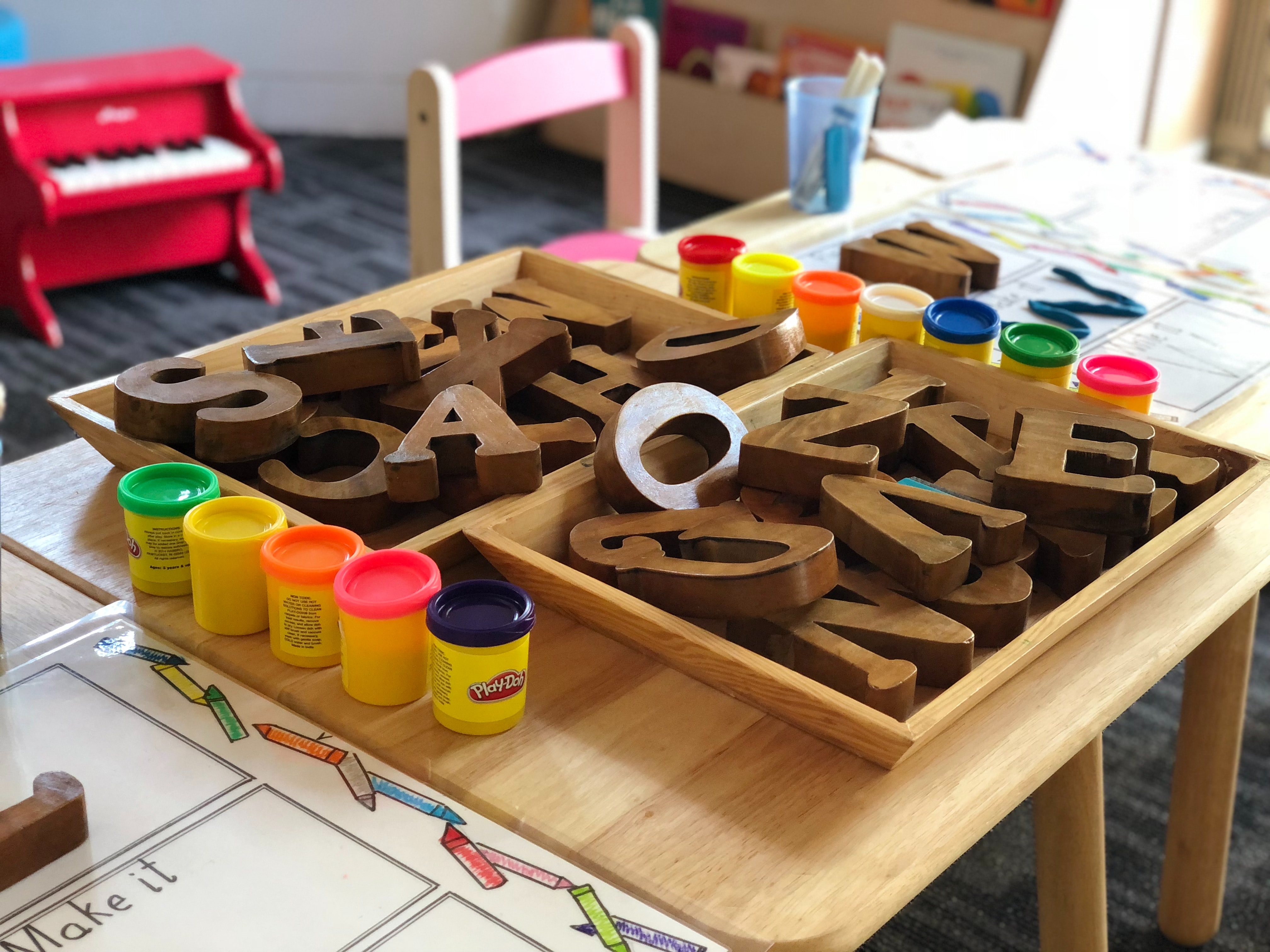
- Fostering a Love of Learning: Montessori's emphasis on child-led exploration sparks curiosity and a genuine love of learning. Children are intrinsically motivated to discover and understand the world around them.
- Developing Independence and Self-Reliance: By providing children with the tools and opportunities to make choices and take responsibility, Montessori fosters independence and self-reliance. This empowers children to become confident and capable learners.
- Promoting Social and Emotional Development: Mixed-age #classrooms encourage cooperation, #empathy, and respect for others. Children learn to navigate social interactions, resolve conflicts peacefully, and build strong relationships.
- Enhancing Cognitive Skills: Montessori materials and activities promote the development of critical thinking, problem-solving, and abstract reasoning skills. Children learn to analyze information, make connections, and think creatively.
- Cultivating a Sense of Order and Concentration: Prepared environments and structured activities help children develop a sense of order and concentration. This enables them to focus their attention, complete tasks, and achieve their goals.
- Building a Strong Foundation for Academic Success: Montessori's emphasis on hands-on learning and concrete materials provides a solid foundation for future academic success. Children develop a deep understanding of fundamental concepts in #math, #language, and science.
- Developing fine and #gross-motor-skills: The use of materials within the classroom help children to refine movements, and improve coordination.
What are the long-term benefits of Montessori?
The benefits of a Montessori education extend far beyond #early-childhood. Children who attend Montessori schools are more likely to:
To see how these early strengths are translated into concrete classroom practices for older children, read about elementary Montessori approaches that foster curiosity and responsibility.
- Be self-directed and motivated learners.
- Have strong problem-solving and critical thinking skills.
- Be confident and independent individuals.
- Have a lifelong love of learning.
- Demonstrate strong social and emotional intelligence.
How can educators deepen their Montessori practice?
For #educators seeking to deepen their understanding of the Montessori method and enhance their teaching skills, Montessori4teachers.com offers valuable resources and training.
- Explore the range of online training courses available at Montessori4teachers.com training. These courses provide comprehensive insights into Montessori principles, classroom management, and curriculum development.
- These trainings help educators to create a more effective, and authentic montessori environment for the children they serve.
By investing in a Montessori education, we are investing in the future of our children. We are empowering them to become confident, capable, and compassionate individuals who are prepared to make a positive impact on the world.
How effective is Montessori education in improving early learning outcomes?
Montessori classrooms are intentionally designed to support intrinsic motivation, sustained concentration, and hands-on mastery of concepts. Evaluations and program descriptions (see references) describe consistent outcomes: children show strong early problem-solving skills, independent task initiation, and lasting engagement with learning materials. While empirical studies vary by sample and design, practitioners observe that Montessori's emphasis on prepared environments and self-correcting materials supports durable gains in self-regulation and conceptual understanding. For a practical comparison of Montessori and traditional approaches, see Montessori Education vs. Traditional Preschool.
What are the core classroom practices that make Montessori work?
Central practices include: a carefully prepared environment with accessible materials, multi-age groupings that scaffold peer learning, brief individualized introductions by the guide, and protected work periods that allow deep concentration. The teacher functions as a guide—observing, introducing materials when the child shows readiness, and stepping back to allow repeated, self-directed practice. These practices are described in detail in practitioner guides; for examples and implementation steps, see The Montessori Classroom: A World Designed for Discovery and Understanding Peer Learning in Montessori Education.
How can educators implement Montessori principles in non‑Montessori settings?
Educators working in mixed-model or conventional programs can adopt core Montessori strategies without wholesale program conversion. Start by establishing predictable routines, offering a modest set of hands-on materials organized by function, structuring short individualized lessons, and protecting uninterrupted work time. Focus on designing child-accessible, orderly spaces where children can make meaningful choices. Practical, short-form courses such as The Prepared Environment: Montessori Class Design Buy Now $16.00 and articles like Montessori Theory in Practice provide step-by-step adaptations for everyday classrooms.
How does Montessori support social-emotional and motor development?
Montessori’s mixed-age settings and Grace & Courtesy routines encourage empathy, conflict resolution, and leadership skills. Practical activities refine fine-motor control (e.g., practical life tasks, bead work) and gross-motor planning (movement flows and coordinated group tasks). For toddler-focused adaptations and practices to support motor and social development, see Montessori Education for Toddlers and Montessori for Toddlers: Fostering Independence and Learning. For guidance on applying Montessori principles with infants—creating a safe prepared environment and promoting early independence—see Montessori for Infants: Nurturing Independence from the Start.
How should educators apply Montessori principles going forward?
Actionable next steps: 1) Observe and document one child’s independent work across a week to identify sensitive periods and needs; 2) Create a small, accessible shelf of materials organized by developmentally sequenced tasks; 3) Schedule at least one protected work period and practice brief, scripted introductions to materials; 4) Share a short parent note explaining Montessori routines and one at-home activity to extend learning. For parents and educators who want concrete, step-by-step instructions for choosing and arranging developmentally appropriate materials, see How to Set Up a Montessori Shelf at Home. For classroom-ready training that supports these steps, consider The Montessori Classroom: Theory to Practice Buy Now $25.00 and Montessori Made Simple Buy Now $35.00.
What sources support these descriptions?
The practical descriptions and claims above are supported by practitioner materials and teacher-role descriptions in Montessori training resources. See the Montessori4Teachers overview of Montessori principles and outcomes and AMI/teacher-role descriptions for guidance on the guide’s role and the prepared environment:
- The Transformative Power of Montessori - Montessori4Teachers (supports Montessori principles and listed impacts)
- AMI: Teachers (supports the teacher/guide role and prepared environment description)
In summary: Montessori offers a coherent set of practices—prepared environments, multi-age groupings, hands-on materials, and the guide’s observational role—that collectively promote independence, concentration, and conceptual understanding. Educators can adopt these elements incrementally to strengthen learning outcomes.
- The Montessori Classroom: Theory to Practice
- Understanding Montessori’s Approach to Child Development
- The Montessori Work Cycle: Fostering Independence and Focus
- Understanding Multi-Age Classrooms in Montessori Education
- Understanding Normalization in Montessori Education
- The Transformative Power of Montessori
- Understanding Montessori’s Vision of Childhood
- Montessori Magic at Home: Tips for Every Age
- Teaching Empathy and Conflict Resolution the Montessori Way
- Montessori and Positive Discipline: A Balanced Approach
- Learning in Layers: The Power of Mixed Ages
