Integrating #classroom pets into Montessori education enriches the learning environment by fostering responsibility, #empathy, and a deeper connection to the natural world. This practice aligns seamlessly with Montessori principles, promoting holistic #development in #students. For practical, classroom-ready strategies, see ChildCareEd courses such as Montessori Made Simple Buy Now $35.00 and Montessori Assistant Training  Buy Now $250.00, which cover prepared environments, lesson design, and supervision techniques appropriate for classrooms that include animals.
How do classroom pets support Montessori education?
Maria Montessori emphasized the importance of connecting children with nature. Introducing animals into the classroom offers students firsthand experience in caring for living beings, nurturing a sense of responsibility and compassion. This interaction supports Montessori experiential learning. Children learn through direct engagement with their environment. Learn more about Montessori principles and the prepared environment in What is Montessori?
What benefits do classroom pets provide in Montessori settings?
- Development of Responsibility: Students take on tasks such as feeding, cleaning, and ensuring the well-being of the pet, fostering a sense of accountability.
- Enhancement of Empathy: Caring for a pet encourages students to consider the needs and feelings of another living creature, promoting empathy and kindness.
- Improved Social Skills: Classroom pets can serve as social catalysts, encouraging students to interact with one another and work together, fostering a sense of community within the classroom.
- Academic Enrichment: Pets provide unique learning opportunities, such as studying animal behavior, biology, or ecology, enhancing the educational experience. See practical activities tied to Montessori pedagogy in The Importance of Hands-On Learning in Montessori Education and a research-informed background in Montessori Education and Brain Development.
How can teachers implement classroom pets in Montessori classrooms?
When integrating pets into the classroom, it's essential to consider the following: see how the prepared environment supports child-led learning in The Montessori Classroom: A World Designed for Discovery.
- Choosing the Right Pet: Select animals that are suitable for the #classroom-environment and age group of the students. Common choices include fish, turtles, rabbits, and hamsters.
- Establishing Care Routines: Develop a care schedule that involves all students, ensuring the pet's needs are consistently met.
- Creating a Safe Environment: Ensure the classroom is equipped to house the pet #safely, considering factors like space, cleanliness, and the animal's specific needs.
What professional development can support integrating classroom pets?
Educators benefit from practical training that covers the prepared environment, child observation, and safe supervision when adding animals to the classroom. ChildCareEd courses that support these skills include Montessori Foundations Buy Now $10.00 (classroom design and core pedagogy), Building Early Science Foundations Buy Now $16.00 (using living things as inquiry materials), and Safe Supervision in Child Care: Birth to School Age (supervision and risk reduction strategies).
How do you choose an appropriate pet?
Choose animals that match the classroom’s rhythms, the children’s developmental stage, and program capacity for daily care. Low-maintenance options—planted aquaria with fish or small invertebrates, or classroom-friendly hamsters in secure habitats—often work well. For mixed-age Montessori groups, prefer animals that tolerate gentle handling and predictable routines.
When selecting a species, consider: housing needs, noise, lifespan, cost, availability of veterinary care, and the program’s capacity to meet daily and weekly maintenance. Assign care tasks that align with children’s abilities and rotate responsibilities to build competence and shared stewardship.
What activities and curriculum connections work best with pets?
Use pets as living materials across sensorimotor, language, science, and practical life lessons. Examples include observation journals (science), measurement activities for feeding and habitat maintenance (math), storytelling and vocabulary work (language), and established care routines for grace and courtesy and practical life skills. For budget-friendly, do-it-yourself Montessori activities and simple materials that pair well with classroom pet projects—such as habitat builds, observation stations, and practical-life trays—see Everyday Montessori.
Lesson ideas: weekly observation charts, life-cycle studies, habitat-build projects, and small-group inquiry questions that children investigate over time. These activities align with Montessori’s emphasis on long work cycles and child-led exploration.
How should teachers manage health, allergies, and zoonotic risks with classroom pets?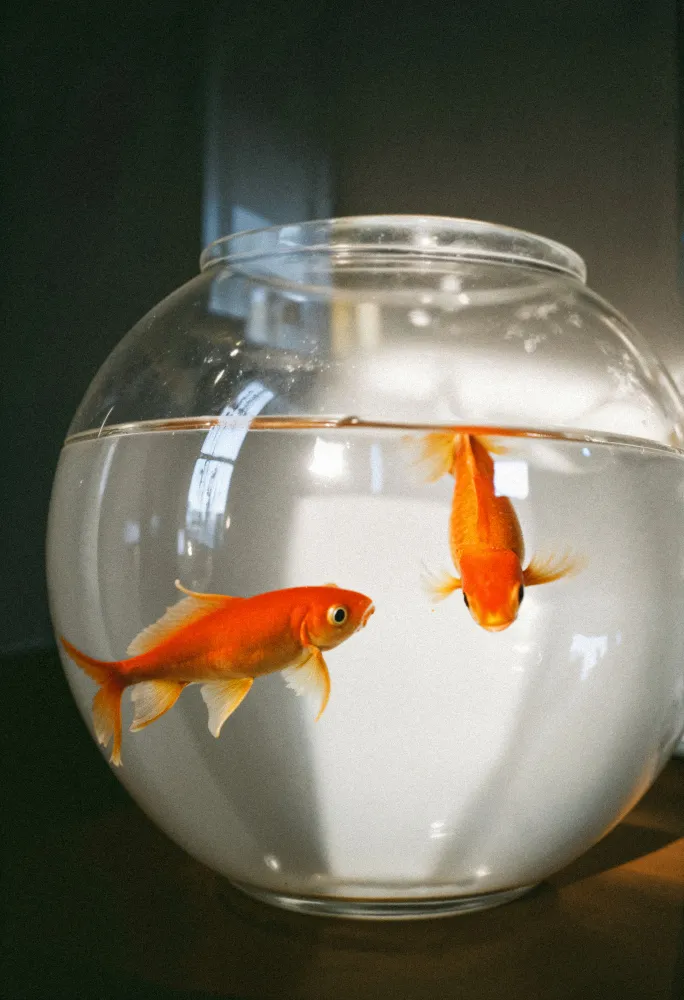
Managing health and safety is essential when introducing animals. Start with an assessment of program needs and local health guidance. Ask families to report allergies, immune concerns, or other medical conditions and document responses before placing animals in the room. Choose species with low zoonotic risk and tolerable allergen profiles; avoid animals known to carry common allergens or pathogens when any child has heightened risk.
Require strict handwashing routines after handling animals or equipment. Post clear procedures and supervise children during transitions. Establish an adult-maintained cleaning schedule for habitats, feeding tools, and work surfaces; keep a weekly log for deep cleaning tasks. Maintain records of veterinary checks, vaccinations, and supplier information for each animal. Obtain written parental consent and include pets in your site emergency and infection-control plans.
Coordinate with your licensing specialist, school nurse, or public-health contact to verify local expectations and reporting requirements. Train staff to recognize common signs of illness in animals and people, and define clear steps to follow after a bite, scratch, or possible exposure. Clear documentation, consistent routines, and accountable adult roles reduce health risk and help sustain a long-term, safe classroom pet program.
Where can educators find resources on pets and safety in Montessori settings?
For additional support and resources, #educators can explore materials that provide guidance on #safety within the Montessori framework. ChildCareEd offers relevant courses and toolkits, for example Safe Supervision in Child Care: Birth to School Age Buy Now $24.00, which covers active supervision, risk assessment, and field-trip safety. Follow ChildCareEd on Instagram for activity ideas and community-shared practices.
How can community engagement support classroom pet programs?
Engaging with a community of educators can provide valuable insights and shared experiences. ChildCareEd articles highlight practical classroom design and collaboration approaches; see Montessori Theory in Practice: Bringing Child-Centered Learning to Life and The Montessori Classroom: A World Designed for Discovery for examples of collaborative projects and project-based learning in Montessori settings.
How do classroom pets reinforce Montessori principles?
Integrating classroom pets into Montessori education offers multifaceted benefits, enriching students' academic and personal development. By fostering responsibility, empathy, and a connection to nature, classroom pets embody the essence of Montessori principles, creating a nurturing and dynamic learning environment.
What are the key takeaways?
When thoughtfully chosen and carefully supervised, classroom pets provide daily, meaningful materials for observation, practical life, and social-emotional learning. Successful programs pair a prepared environment with clear care routines, documented lesson plans, and appropriate professional development for staff. Before adding animals, assess health and allergy concerns, align activities with developmental goals, and confirm that the program can sustain long-term care responsibilities. For practical next steps, consult ChildCareEd resources on classroom design and supervision and consider enrolling staff in courses such as Montessori Foundations Buy Now $10.00 or Safe Supervision in Child Care Buy Now $24.00.
For additional pedagogical context on motivation and long-term engagement, see Understanding Intrinsic Motivation in Montessori Education. #pets #Montessori #empathy #responsibility #safety
- Understanding Montessori Toddler Education
- Montessori For All
- Classroom Pets in Montessori Education
- Understanding Mindful Supervision in Montessori Settings
- Unlocking Your Path to Montessori: The Ultimate Guide to Becoming an Educator
- Understanding the Basis and Benefits of Montessori Education
- Montessori & You: A Perfect Match?
- Montessori at Home: Chores That Empower
