The Montessori educational approach, founded by Dr. Maria Montessori, supports children’s cognitive, social, and emotional development. Child care professionals can strengthen classroom practice with practical trainings such as Montessori Made Simple Buy Now $35.00 and Montessori Essentials: Mixed-Age Mastery  Buy Now $16.00. This article explains how Montessori settings build empathy, self-regulation, and peer skills. It also provides classroom activities, assessment strategies, and practical assessment tools educators can use. #Montessori #SEL #empathy #independence #inclusion
What are the key aspects of social and emotional development in Montessori education?
- How do mixed-age classrooms support social and emotional growth?
Montessori settings often feature mixed-age groups, typically spanning three years. This structure allows younger children to learn social norms and problem-solving skills by observing older peers, while older students reinforce their understanding and develop leadership abilities by mentoring younger classmates.
- How does Montessori education foster empathy and respect?
Respect is a cornerstone of Montessori philosophy. Children are taught to respect themselves, others, and their environment. This respect fosters empathy, as students learn to consider and value the feelings and perspectives of their peers, leading to a harmonious classroom atmosphere.
- How does peace education support conflict resolution and emotional regulation?
Montessori classrooms incorporate peace education, teaching children techniques for conflict resolution and emotional regulation. Students are encouraged to express their feelings, listen actively, and collaboratively find solutions to disagreements, promoting emotional intelligence and interpersonal skills.
For practical lesson plans, teacher scripts, and mediation strategies that build empathy and peer-led conflict resolution, see Teaching Empathy and Conflict Resolution the Montessori Way.
- How does 'freedom within limits' develop self-discipline?
While Montessori education offers children the freedom to choose their activities, this freedom exists within clear boundaries. This balance helps children develop self-discipline, decision-making skills, and an understanding of the consequences of their actions, all of which are vital components of emotional maturity. For practical classroom strategies that explicitly promote independence within limits, see Montessori Education: Encouraging Independence and Self-Discipline.
- How does individualized pacing support emotional well-being?
Recognizing that each child is unique, Montessori education allows students to progress at their own pace. This individualized approach reduces stress and competition, enabling children to build self-confidence and a positive self-image, which are crucial for emotional well-being.
How can educators pursue professional development in Montessori methods?
Educators seeking to deepen their understanding of Montessori principles can pursue targeted professional development. ChildCareEd offers practical trainings such as Mastering Observation Techniques in the Montessori Classroom Buy Now $16.00 and Raising Peaceful Learners: The Montessori Advantage Buy Now $16.00, which focus on observation-based assessment and peace education. For applied strategies on observation and guidance, see our article Embracing Observation and Mastery.
What additional resources support classroom practice and materials?
ChildCareEd provides a variety of resources to support early childhood educators. Their free materials include practical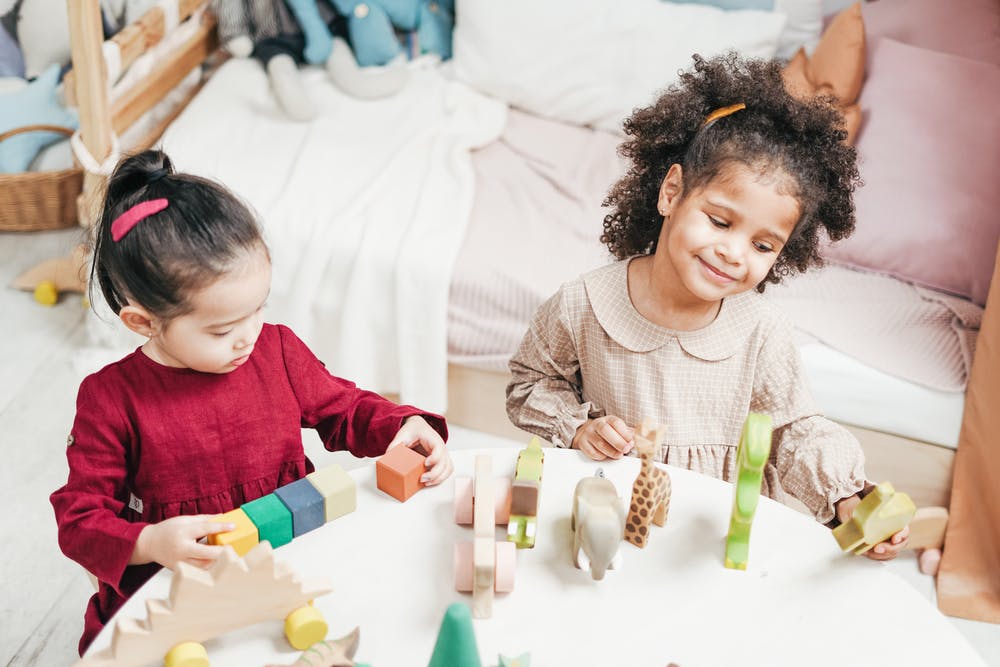 tools such as the My Book of Emotions, designed to help children identify and manage feelings. For program-level alignment of social-emotional goals and materials, see Focus on the Whole Child: The Montessori Approach to Holistic Development.
Where can educators find guidance on assessment and individualized support in Montessori?
For theoretical background and practical assessment techniques, read our overview What is Montessori? and the practical guide Embracing Observation and Mastery, which explain observation-based assessment and documentation that preserve the child's concentration. For a concise explanation of Montessori's Four Planes of Development and guidance on aligning classroom environments and materials to each developmental plane, see Understanding Montessori's Vision of Childhood.
What classroom activities and routines foster social-emotional skills in Montessori settings?
Montessori classrooms intentionally embed social-emotional learning into daily routines and materials. Concrete activities include Grace and Courtesy sequences (greetings, taking turns, using polite language), structured role-play at a 'peace table' for practicing problem-solving scripts, and community responsibilities (classroom jobs) that promote belonging and competence. Practical, hands-on materials such as practical life exercises (pouring, sweeping, food preparation) also support self-regulation through repeated, purposeful practice. Use paired work and peer-teaching moments to create natural leadership opportunities and to rehearse empathetic responses.
Design short daily rituals that build emotion vocabulary and regulation: start the morning with a feelings check-in using the My Book of Emotions or emotion cards; schedule a calm-down corner with predictable sensory supports; and finish the day with brief reflective conversations that let children narrate problem-solving steps. For toddlers, adapt activities with simpler scripts and more sensory materials; see Montessori for Toddlers for age-appropriate strategies.
How can educators assess and document social-emotional development in a Montessori classroom?
Observation-based assessment aligns with Montessori practice because it preserves the child's concentration and respects self-directed work. Practical steps educators can use are:
- Schedule regular observation windows (short, focused sessions) to gather anecdotal notes on peer interactions, conflict responses, and self-regulation.
- Use a simple indicator list aligned to classroom goals (examples: initiates greeting, waits turn, uses words to request help, recovers after frustration) and record narrative examples rather than numeric scores.
- Collect work samples, anecdotal episodes, and short teaching notes to show progress over time; annotate why an interaction mattered and what the next teaching step is.
- Share observations with families in narrative form and co-create small goals (e.g., practice two turn-taking games at home) so documentation informs partnership and continuity.
- Use professional learning (for example, the ChildCareEd course Mastering Observation Techniques Buy Now $16.00) to refine objective recording and reduce bias.
How does Montessori practice support measurable social-emotional outcomes?
Educators can measure the social-emotional impact of Montessori practice by tracking observable behaviors and program-level indicators. In the classroom, use brief, consistent indicators such as initiated peer interactions, successful conflict resolutions, sustained work episodes, and the ability to follow multi-step routines. Collect anecdotes, work samples, and short video excerpts (with family consent) to document growth over time. At the program level, monitor family reports of home behavior, reductions in disruptive incidents, and children's readiness for collaborative tasks. Regular team reviews of observation notes help convert evidence into next teaching steps and curriculum adjustments. While long-term studies suggest benefits of Montessori schooling for social competence, teachers should prioritize reliable, low-burden measures that fit Montessori practice: short observation windows, simple checklists aligned to classroom goals, and narrative family conferences. For context on later outcomes programs may track, see Long-Term Benefits for Students: Montessori Education.
Summary
Montessori classrooms promote social-emotional development through mixed-age interactions, explicit peace education, freedom-within-limits, and individualized rhythms. To put these principles into practice, adopt short daily rituals for emotion vocabulary, use observation-driven documentation, and pursue targeted professional development such as the ChildCareEd courses linked above. For further context on long-term outcomes, see Long-Term Benefits for Students: Montessori Education.
- What is Montessori?
- The Importance of Active Play in the Montessori Classroom
- Development of Social and Emotional Skills in Montessori Education
- Effectiveness of Montessori Education
- Understanding Montessori Toddler Education
- Emphasis on Movement in Montessori Education
- The Absorbent Mind in Montessori Education
- Understanding Multi-Age Classrooms in Montessori Education
- The Purpose of Practical Life in Montessori Education
- Understanding Peer Learning in Montessori Education
- Montessori for Adolescents: The Erdkinder Program
- Montessori Education for Toddlers
- Understanding Sensitive Periods in Montessori Education
- Focus on the Whole Child: The Montessori Approach to Holistic Development
- The Transformative Power of Montessori
- Understanding the Basis and Benefits of Montessori Education
- Understanding Montessori’s Vision of Childhood
- Teaching Empathy and Conflict Resolution the Montessori Way
