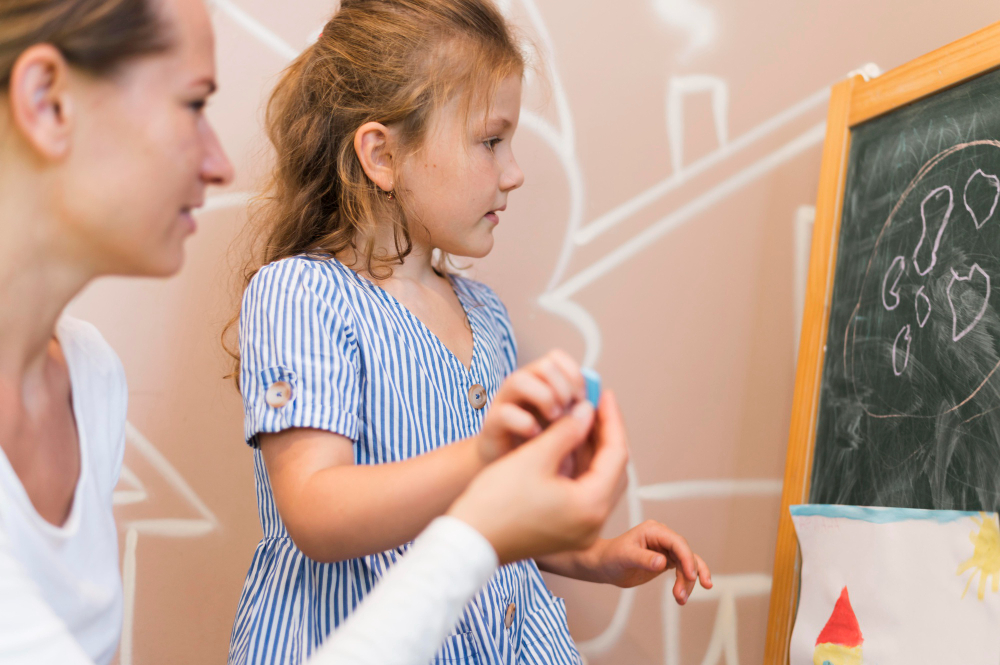
 Montessori education employs a distinctive approach to assessing and guiding #students, focusing on individualized learning and #development. Unlike traditional education systems that often rely on standardized testing, Montessori #educators utilize continuous observation and formative assessments to understand and support each child's unique learning journey.
Observation: The Cornerstone of Assessment
In Montessori #classrooms, #teachers serve as keen observers, meticulously monitoring students' interactions with materials, peers, and their environment. This ongoing observation allows educators to:
- Identify Individual Interests and Needs: By observing students' choices and #engagement levels, teachers can tailor lessons to align with each child's interests and #developmental stage.
- Assess Mastery of Concepts: Through careful observation, educators can determine when a child has mastered a concept or skill and is ready to progress to more advanced materials.
- Inform Instructional Strategies: Observational insights guide teachers in adapting their instructional approaches to better support individual learning styles.
This method aligns with the Montessori philosophy of following the child, ensuring that education is personalized and responsive.
Formative Assessments: Supporting Continuous Growth
Montessori educators employ formative assessments to monitor student progress and inform instruction. These assessments are integrated into daily activities and include:
- Work Journals: Students maintain journals to record their daily work, fostering self-reflection and responsibility.
- Portfolios: Collections of student work over time provide a comprehensive view of their development and achievements.
- One-on-One Conferences: Regular meetings between teacher and student offer opportunities to discuss progress, set goals, and address challenges.
These tools promote a #growth mindset and encourage students to take ownership of their learning.
Self-Assessment: Fostering Independence and Metacognition
Self-assessment is a vital component of the Montessori assessment framework. Students are encouraged to evaluate their own work, reflect on their learning processes, and identify areas for improvement. This practice:
- Develops Critical Thinking: By analyzing their performance, students enhance their ability to think critically and make informed decisions.
- Promotes Autonomy: Self-assessment empowers students to take charge of their educational journey, fostering independence.
- Encourages Lifelong Learning: Reflective practices instill habits that support continuous personal and academic growth.
Through self-assessment, students become active participants in their learning, aligning with the Montessori emphasis on fostering independent, self-motivated learners.
Guiding Students: The Role of the Montessori Educator
In Montessori education, the teacher's role extends beyond instruction to include guidance and facilitation. Key responsibilities include:
- Preparing the Environment: Teachers design and maintain a learning space that is orderly, inviting, and rich with #developmentally appropriate materials.
- Facilitating Learning: Rather than delivering direct instruction, educators introduce materials and activities, then allow students to explore and discover concepts independently.
- Providing Individualized Support: Based on observations and assessments, teachers offer targeted assistance to support each student's unique learning path.
This approach ensures that education is student-centered, with teachers acting as guides who support and enrich the learning experience.
Professional Development Opportunities
For educators seeking to deepen their understanding of Montessori assessment and guidance practices, Montessori4Teachers.com offers a variety of training programs. One such course is "Mastering Observation Techniques in the Montessori Classroom  Buy Now $16.00," which delves into effective observation strategies to enhance student assessment.
For further reading on Montessori assessment methods, you can explore articles available on Montessori4Teachers.com. “The Montessori Prepared Environment: Fostering Independence” offers insights into various aspects of Montessori education, including assessment strategies, classroom management, and curriculum development.
Follow ChildCareEd on the following social media platforms for ideas on implementing strategies in the Montessori classroom.
- Instagram: https://www.instagram.com/childcareed/
- Pintrest: https://www.pinterest.com/ChildCareEd/
- Facebook: https://www.facebook.com/childcareed
- TikTok: https://www.tiktok.com/@childcareed
- X: https://x.com/childcareed
By engaging in these professional development opportunities, educators can enhance their skills in assessing and guiding students within the Montessori framework, ultimately fostering a more effective and enriching learning environment.
- Teach the Montessori Way: A Practical Guide
- Authentic Montessori in Action
- Montessori Foundations
- Montessori Assistant Training
- Understanding Montessori's Approach to Child Development
- Engaging Parents in the Montessori Toddler Classroom
- Mastering Observation Techniques in the Montessori Classroom
- Raising Peaceful Learners: The Montessori Advantage
- Development of Social and Emotional Skills in Montessori Education
- Effectiveness of Montessori Education
- Understanding Intrinsic Motivation in Montessori Education
- Understanding Multi-Age Classrooms in Montessori Education
- Understanding Peer Learning in Montessori Education
- Long-Term Benefits for Students: Montessori Education
- Montessori for Adolescents: The Erdkinder Program
- Classroom Pets in Montessori Education
- Focus on the Whole Child: The Montessori Approach to Holistic Development
- Unlocking Your Path to Montessori: The Ultimate Guide to Becoming an Educator
- Elementary Montessori: Fostering Curiosity & Responsibility
- Can Montessori Truly Be Inclusive for Every Child?
