The Montessori classroom is built to nurture children's curiosity and to support independence. It centers on hands-on learning, self-directed activity, and purposeful play. Child care professionals can study practical classroom design in courses such as The Prepared Environment: Montessori Class Design  Buy Now $16.00 and Montessori Made Simple: For Today's Teachers Buy Now $35.00. For specific classroom arrangements that encourage exploration and independence, see The Montessori Classroom: A World Designed for Discovery.
Key Principles of the Montessori Prepared Environment
Central to the Montessori method is the prepared environment. It rests on six fundamental principles.
- Freedom: Children are granted the liberty to choose activities that align with their interests, fostering intrinsic motivation and #engagement.
- Structure and Order: A well-organized space helps children develop logical thinking and internal order.
- Beauty: An aesthetically pleasing environment with natural materials inspires respect and appreciation for the surroundings.
- Nature and Reality: Incorporating elements from the natural world grounds learning in real-life experiences.
- Social Environment: Mixed-age groupings encourage peer learning, collaboration, and a sense of community
- Intellectual Environment: A diverse range of materials and activities stimulates cognitive development and critical thinking.
These principles work in harmony to create a space where children feel secure, respected, and motivated to explore.
What are the characteristics of a Montessori classroom?
Montessori classrooms are thoughtfully arranged to support the developmental stages of children. Key characteristics include:
- Child-Centered Design: Furniture and materials are scaled to the child's size, promoting accessibility and independence.
- Open Floor Plan: The layout allows #free movement, enabling children to choose workspaces that suit their needs.
- Minimalist Aesthetics: A clutter-free environment with neutral colors reduces distractions and enhances focus.
- Natural Materials: Wooden furniture, plants, and other natural elements create a calming atmosphere and connect children to nature.
- Organized Learning Areas: Distinct sections for practical life, sensorial activities, mathematics, #language, and cultural studies provide structure and clarity.
This intentional design fosters a sense of order and encourages children to take responsibility for their learning environment.
What is the role of the Montessori educator?
In the Montessori setting, #educators serve as guides rather than traditional instructors. Their responsibilities include:
- Observing: Carefully monitoring each child's interests and progress to provide appropriate support and challenges.
- Preparing the Environment: Ensuring the classroom is equipped with materials that meet the developmental needs of the students.
- Facilitating Learning: Introducing new activities and concepts through individualized or small group lessons.
- Encouraging Independence: Allowing children to take ownership of their learning while offering guidance when necessary.
This approach helps children become active learners. They build confidence and self-discipline through practice and responsibility.
What benefits does a Montessori classroom provide?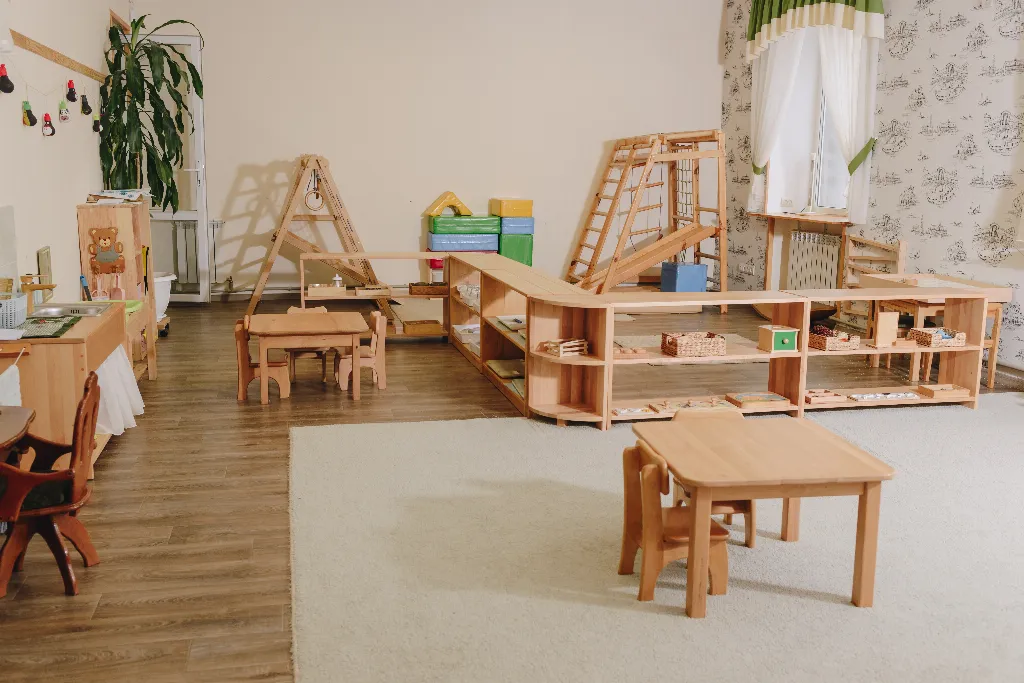
The Montessori classroom offers numerous advantages that contribute to holistic child development:
- Promotes Autonomy: Children learn to make choices, solve problems, and manage their time effectively.
- Encourages Deep Concentration: Engaging, hands-on activities help develop sustained attention and focus.
- Fosters Social Skills: Collaborative work and mixed-age groupings enhance communication, #empathy, and leadership abilities.
- Supports Individualized Learning: Each child progresses at their own pace, receiving personalized guidance tailored to their needs.
- Cultivates a Love for Learning: A nurturing environment that respects the child's interests inspires enthusiasm and joy in discovery.
These benefits lay a strong foundation for lifelong personal and academic success.
How does Montessori compare with other preschool models?
Many educators and families ask how Montessori differs from more traditional preschool approaches. In short: Montessori emphasizes child-led exploration, mixed-age groupings, and a prepared environment designed for self-directed learning. Traditional programs often rely more on teacher-directed whole-group lessons and fixed daily schedules. Those contrasts affect daily routines, materials, and assessment.
If you need a quick comparison for parents or staff, see our overview Montessori Education vs. Traditional Preschool. For guidance on adapting Montessori methods for very young children, consult Understanding Montessori Toddler Education. To understand how developmentally timed opportunities shape learning, read Sensitive Periods in Child Development. For a short review of hands-on methods and why they matter for cognition, see The Importance of Hands-On Learning in Montessori Education.
How can educators get Montessori training and resources?
For educators who want to implement Montessori principles, targeted training and practical tools make the difference. In addition to external providers, ChildCareEd offers several Montessori courses that focus on classroom design, curriculum implementation, and mixed-age instruction. These courses provide actionable steps you can use in your next classroom setup or staff meeting.
- Training Opportunity: The Prepared Environment: Montessori Class Design Buy Now $16.00 — a practical ChildCareEd course on arranging materials, shelving, and learning areas to support independence.
- ChildCareEd course: Implementing the Montessori Curriculum Buy Now $32.00 — strategies for mixed-age instruction and adapting core learning areas to meet diverse needs.
- Educational Resource: Focus on Nature and Real-World Experiences in Montessori Education Buy Now $0.00 — approaches for outdoor and practical-life learning.
- Informative Article: Sensitive Periods in Child Development — an external article that explains developmentally timed learning windows.
These resources give educators specific practices to test in their classrooms and to discuss at staff training sessions.
How does Montessori education support the whole child?
Montessori education supports the whole child. It links practical life, sensorial work, language, math, and cultural studies. Teachers use observation and the prepared environment to meet each child's needs. Short, practical training courses help educators adapt these ideas in their classrooms.
How can educators summarize the Montessori approach and start using it?
Montessori classrooms give children repeated chances to choose work, concentrate, and master skills. The approach centers on clear order, accessible materials, and respectful adult guidance. Below are practical steps teams can take to begin implementing Montessori principles in any early childhood setting.
- Check your environment: lower shelves, child-sized furniture, and defined work areas make materials accessible and invite independent choice.
- Curate materials: introduce a small number of purposeful, attractive materials per area. Rotate items to maintain interest and to target developing skills.
- Establish routines: predictable transitions and uninterrupted work periods support sustained concentration and classroom flow.
- Use observation: schedule brief, regular observation notes to track each child’s interests, mastery, and sensitive periods.
- Train staff: use short, focused professional learning and practice applying one change at a time; begin with one classroom area and build from there.
Start with one classroom area and iterate: test a single change, gather staff observations, and expand what works. These steps help providers move from theory to daily practice while respecting children's autonomy and supporting development.
What are the key takeaways and next steps for implementing Montessori in your classroom?
Montessori practice centers on respect, independence, and carefully chosen materials. Practical next steps: set up one accessible shelf or area, train staff to record brief observation notes, protect uninterrupted work cycles, and adjust materials based on observed interests. Share progress with families and confirm any regulation-related choices with your licensing agency.
For regular updates and resources from ChildCareEd, follow us on Facebook.
- What is Montessori?
- Understanding Montessori’s Approach to Child Development
- Applying Montessori Principles at Home: A Guide for Parents
- Intrinsic Motivation in Montessori Education
- Understanding Normalization in Montessori Education
- The Montessori Classroom: Fostering Independence and a Love for Learning
- Long-Term Benefits for Students: Montessori Education
- Understanding Sensitive Periods in Montessori Education
- Motivation’s vital role in how children engage with learning
- Focus on the Whole Child: The Montessori Approach to Holistic Development
- The Transformative Power of Montessori
- Unlocking Your Path to Montessori: The Ultimate Guide to Becoming an Educator
- Understanding the Basis and Benefits of Montessori Education
- Elementary Montessori: Fostering Curiosity & Responsibility
- What Employers Love About Montessori Alumni
