 Introduction
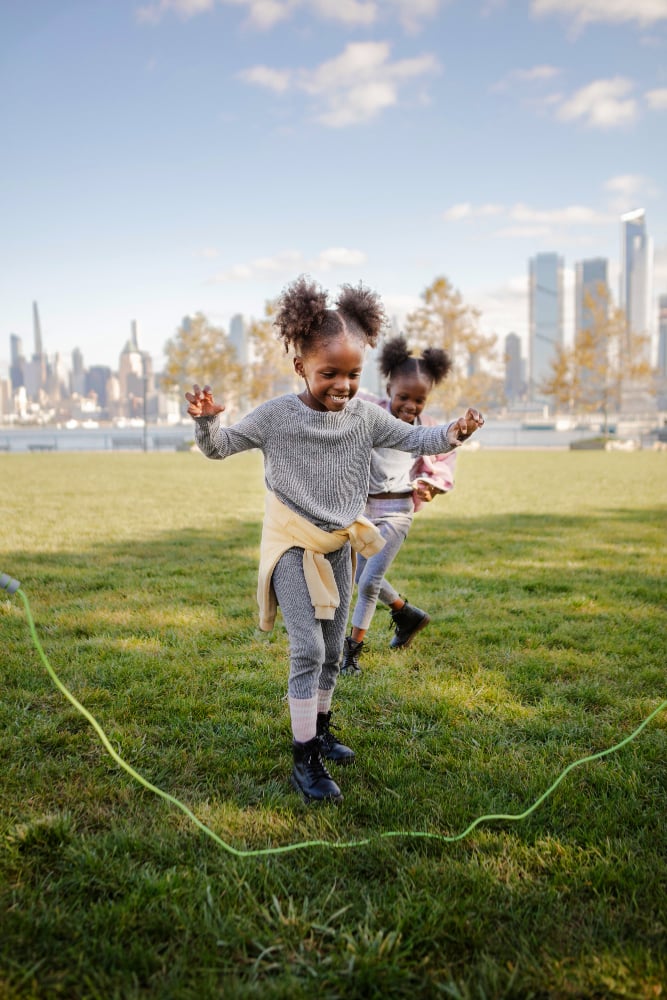
In Montessori education, movement is not just an outlet for energy—it is an integral part of learning. Young children #develop #gross-motor-skills through purposeful movement, which enhances both physical and cognitive #development. Unlike traditional #preschool settings where large motor activities are often separate from learning, Montessori education seamlessly integrates movement into daily routines, allowing children to build coordination, strength, and concentration.
This article explores the importance of #gross-motor activities in Montessori education, unique Montessori-based movement exercises, and how #parents and #educators can incorporate these principles into their #classrooms and #homes.
Why Are Gross Motor Activities Important in Montessori Education?
Dr. Maria Montessori emphasized that movement is directly linked to brain development. Gross motor activities help children develop coordination, spatial awareness, balance, and self-control. These activities support children in developing both their physical and cognitive abilities, laying the foundation for more complex learning later on.
Benefits of Gross Motor Activities in Montessori Education
- Enhances Coordination and Balance – Activities like “Walking on the Line” teach children how to control their body movements.
- Improves Concentration – Purposeful movement helps children focus better on academic and practical life activities.
- Builds Independence – Gross motor activities involve tasks like carrying objects, which reinforce self-sufficiency.
- Encourages Problem-Solving – Movement-based learning helps children develop spatial reasoning and decision-making skills.
- Supports Cognitive Development – Research shows that physical movement enhances memory and learning retention.
By incorporating movement into the learning process, Montessori classrooms help children develop skills essential for their overall #growth.
Unique Montessori Gross Motor Activities
Montessori classrooms feature specific purposeful movement activities that help young children develop gross motor skills in a structured yet natural way.
1. Walking on the Line
One of the most well-known Montessori gross motor activities, Walking on the Line is designed to improve balance, coordination, and concentration.
- A line (often an ellipse or circle) is drawn on the classroom floor.
- Children are invited to walk slowly along the line, focusing on careful, controlled steps.
- Variations may include carrying objects like a small bell without making noise, further challenging their balance and focus.
This simple yet powerful exercise helps children develop core strength, body awareness, and the ability to control their movements.
2. Carrying, Pouring, and Transferring Activities
Montessori environments encourage children to carry trays, pour liquids, and transfer objects—all of which require gross motor #engagement.
- Carrying heavy objects (such as a small chair) helps develop strength and coordination.
- Pouring water from one container to another refines hand-eye coordination and control.
- Transferring beans, beads, or small objects using a spoon builds motor skills while preparing children for practical life tasks.
These activities not only enhance physical skills but also promote focus and independence.
3. Practical Life Outdoor Activities
Outdoor gross motor activities in Montessori education go beyond #free #play. Children engage in purposeful #outdoor work, such as:
- Sweeping and Raking – Helps strengthen arms and shoulders while teaching responsibility.
- Gardening and Digging – Develops hand strength and coordination while fostering a connection with nature.
- Carrying Watering Cans – Encourages balance, strength, and care for the environment.
These real-world tasks give children a sense of purpose, contribution, and accomplishment.
4. Obstacle Courses and Large Motor Challenges
Montessori educators set up structured obstacle courses that involve climbing, jumping, crawling, and balancing. These activities help children develop:
- Spatial awareness – Understanding how to navigate their environment.
- Problem-solving skills – Figuring out how to move through an obstacle course efficiently.
- Core strength and stability – Building endurance and flexibility.
Obstacle courses are designed to match the child’s #developmental stage, ensuring they feel challenged but not frustrated.
How Parents Can Incorporate Montessori Gross Motor Activities at Home
Parents can apply Montessori movement principles at home by setting up simple, purposeful activities that encourage large motor development.
1. Set Up a Movement-Friendly Environment
- Provide a low balance beam (such as a wooden plank on the ground).
- Create an indoor walking path with a taped line.
- Use pillows and mats for #safe jumping and balancing exercises.
2. Encourage Purposeful Movement in Daily Life
- Allow children to help carry groceries or small bags.
- Let them pour their own drinks and set the table.
- Involve them in outdoor chores like watering plants.
3. Incorporate Nature Walks and Exploration
- Take nature walks where children observe and interact with their environment.
- Climb small hills, step on tree stumps, and balance on logs.
- Visit #playgrounds that offer climbing structures and open space for running.
By integrating movement into daily life, parents can support their child's development in a fun and natural way.
Learn More About Montessori Gross Motor Activities
For educators and parents looking to enhance their knowledge and skills in Montessori gross motor activities, Montessori4Teachers.com offers valuable training and resources.
- Enroll in a Montessori Training Course: Play Safe, Think Big: Literacy Through Play
 Buy Now $10.00provides educators with in-depth knowledge on integrating movement into learning.
 - Explore Montessori Resources: Focus on Nature and Real-World Experiences in Montessori Education Buy Now $0.00 offer tools and activities to support #gross-motor-development.
- Read More About Montessori Movement: Check out this article: The Importance of Active Play in the Montessori Classroom.
Connect With Us on Social Media
Stay updated with more Montessori insights, tips, and resources by following us on social media: Follow us on TikTok.
Conclusion
Gross motor activities in Montessori education go beyond traditional play. Through purposeful movement, children develop physical coordination, cognitive skills, and independence. By integrating activities like Walking on the Line, practical life tasks, and outdoor exploration, Montessori educators and parents can create an environment that #nurtures both the body and mind.
For more resources and training, visit Montessori4Teachers.com.
