In today’s fast-paced, high-pressure world, many #parents are searching for an education model that #nurtures their child’s whole #development—intellectually, emotionally, and socially. That’s why more families are turning to Montessori education. Known for its child-centered approach and deep respect for individuality, the Montessori method is becoming a top choice for parents who want to raise confident, compassionate, and capable children. Explore practical introductions with our childcareed courses for parents: Montessori Unveiled: Demystifying the Method for Parents  Buy Now $16.00 and Teach the Montessori Way: A Practical Guide Buy Now $35.00 to begin applying Montessori ideas at home.
At Montessori4Teachers.com, we help #educators and caregivers bring the Montessori method to life—both in schools and at #home. In this article, we explore why Montessori is gaining popularity among families and the lasting benefits it brings to both children and parents.
Why is Montessori rising in modern parenting?
Montessori education isn’t just for #classrooms anymore—it's becoming a lifestyle choice for many families. From #toddlerhood through elementary years, parents are recognizing that Montessori offers something unique: a respectful, intentional, and empowering environment that reflects their deepest hopes for their children. Experts describe Montessori principles, the prepared environment, and attention to the whole child as central to that appeal (What Is Montessori). For a closer look at how Montessori adapts learning to each child, explore child-centered learning in Montessori education.
Key reasons why Montessori is gaining traction:
-
Focus on independence and self-direction
-
Emphasis on emotional intelligence and conflict resolution
-
Hands-on learning and real-world life skills
-
Respect for the child’s natural pace of development
-
Support for diverse learning styles and abilities
Many parents who initially discovered Montessori through word-of-mouth, online resources, or #preschool visits are now diving deeper into the philosophy—and finding a treasure trove of tools for everyday parenting.
Want to learn how to bring Montessori home? Start with a parent-focused training such as Montessori Unveiled: Demystifying the Method for Parents, designed to translate Montessori principles into practical home strategies.
How does Montessori support the whole family?
Montessori isn’t just about the child—it uplifts the entire family system. Here's how:
How does respect and empathy create peaceful parenting?
Montessori’s cornerstone is respect for the child. This attitude naturally transforms how parents communicate and connect. Instead of power struggles, there’s dialogue. Instead of time-outs, there’s problem-solving.
Curious how this works in daily life? Our Montessori Foundations course dives into core principles and practical family strategies that help households thrive.
How can parents encourage independence at home?
Montessori empowers children to do things for themselves—whether it’s pouring water, choosing their clothes, or helping with chores. As children develop these skills, parents often find themselves less overwhelmed and more cooperative family rhythms forming.
Learn to create a prepared home environment with guidance from our course on The Prepared Environment.
How do calm, orderly spaces support children's focus and learning?
Montessori #homes are known for being tidy, intentional, and inviting. Instead of overflowing toy bins, materials are carefully curated and accessible. This promotes calm, focus, and creativity—qualities both kids and adults appreciate.
Need help setting up your space? Visit Montessori4Teachers.com for ideas and inspiration.
How does Montessori promote a lifelong love of learning?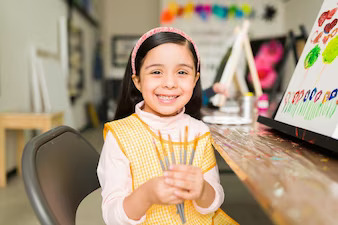
Montessori children aren’t just memorizing facts—they’re becoming curious, motivated learners. Parents often notice their children taking the initiative, asking thoughtful questions, and showing pride in their work.
Our Montessori Foundations and related trainings (for example, Math Foundations in Early Childhood) show how to support this love of learning in foundational subjects.
What real benefits do families see with Montessori?
Here’s what parents are saying about adopting Montessori at home:
“We used to have constant meltdowns at transitions. Since switching to a Montessori approach, my child feels more in control—and we feel more connected.”
— Emily, Montessori parent of a 4-year-old
“Our home used to be chaotic. Now we have routines, purposeful activities, and a sense of peace. Montessori has changed our family life.”
— Carlos & Jenna, parents of two
How can you start your Montessori journey today?
Whether you're new to Montessori or ready to deepen your practice, Montessori4Teachers.com is here to help. We offer affordable, easy-to-access courses designed to empower educators, parents, and caregivers with real-world Montessori tools.
Browse our popular offerings like:
-
✅ Montessori Practical Life & Prepared Environment
-
✅ Montessori for Parents: Language & Literacy Support
-
✅ Montessori Math & Early Math Foundations
No matter where you’re starting from, our mission is to make Montessori accessible for all.
How do I apply Montessori principles in daily routines?
Translating Montessori theory into the rhythm of family life focuses on observation, small environmental adjustments, and consistent, respectful language. Start by observing your child in short, timed periods (10–15 minutes) to identify moments of deep concentration and the activities they choose repeatedly. Use those observations to prioritize materials and tasks that support existing interests rather than introducing many novel options at once. Make a few practical modifications: lower a shelf for everyday items, provide a small pitcher and cup for pouring practice, set out a single dressing frame, and create a predictable, short transition ritual (for example: song + a 2-step instruction) to ease changes between activities. As you adapt the space, consider these health and safety priorities in Montessori education to support children's well-being alongside independence.
Structure mornings and evenings with simple, repeatable routines that balance freedom and limits. Offer two reasonable choices (e.g., which shirt to wear) rather than open-ended permission. Invite the child to prepare snacks or set the table using child-sized tools; these practical-life tasks build motor control, sequencing, and independence. Rotate materials on a weekly basis so each item retains novelty and invites concentration; keep the rotation small (3–5 items) so the child can form a work cycle around each object.
Language matters: narrate what you notice ("I see you are concentrating on pouring") and describe limits calmly and concretely ("Hands are for gentle touch; this is for putting away"). When conflicts arise, use short problem-solving scripts: name the feeling, state the limit, and offer two solutions. These strategies reflect Montessori’s emphasis on respect, freedom within limits, and the prepared environment (see foundational overview).
For families wanting guided, practical instruction, structured trainings can accelerate set-up and coach caregiver responses. Consider enrolling in a parent-focused course that demonstrates hands-on examples and home adaptations—pair course learning with weekly observation notes at home. For evidence and background on these practices, see the Montessori method overview and family-focused home-setup guidance (sources below).
What is the bottom line for families adopting Montessori?
Montessori at home is a gradual, practical reorientation toward independence, respect, and carefully selected materials. Small, consistent changes to routines and environment typically produce measurable improvements in concentration, cooperation, and family calm. Expect incremental progress—observe, adapt, and prioritize a few repeatable tasks rather than trying to convert your household overnight. Continued reflection and occasional coursework or peer consultation can keep practice aligned with core Montessori principles.
What should families remember about adopting Montessori?
In summary: begin with observation, simplify the environment, introduce a small number of practical-life tasks, and use respectful, solution-focused language. Small, consistent adjustments yield steady gains in independence, concentration, and family calm. Pair practice with one focused course and weekly reflection to keep your approach aligned with Montessori principles.
What are practical next steps for families and educators?
- Observe: Spend short daily periods watching your child at play to notice interests and concentration.
- Prepare the space: Make a few low-cost changes (accessible shelves, child-sized tools) to promote independence.
- Introduce small, repeatable tasks: Start with one practical-life activity (pouring, dressing frame) and practice with patience.
- Use study resources: Enroll in one practical childcareed course above and share insights with caregivers or colleagues.
Join the movement that’s reshaping education and family life.
Visit Montessori4Teachers.com and start your journey today.
What are the key takeaways for families starting Montessori?
Start with careful observation, simplify and child-proof the environment, and introduce a small number of practical-life tasks that the child can repeat. Use respectful, solution-focused language and consistent routines; expect steady, incremental progress. Pair home practice with one focused course and regular reflection to keep your approach aligned with Montessori principles.
- Development of Social and Emotional Skills in Montessori Education
- Understanding Intrinsic Motivation in Montessori Education
- Intrinsic Motivation in Montessori Education
- Focus on Nature and Real-World Experiences in Montessori Education
- Montessori Education: Encouraging Independence and Self-Discipline
- Teaching Empathy and Conflict Resolution the Montessori Way
- Montessori and Positive Discipline: A Balanced Approach
- Raising the Montessori Way: A Family Win
- Are the Top 5 Montessori Myths Holding You Back?
- How to Support Sibling Relationships the Montessori Way
- How can we run arrival and departure routines the Montessori way?
