In the Montessori #classroom, learning is often associated with calm, focused activities. However, active #play is just as essential to a child’s #development. Active play engages children’s bodies and minds, allowing them to develop #gross-motor skills, build social connections, and foster independence—all key principles of Montessori education. By intentionally incorporating active play into the daily routine, Montessori #classrooms provide children with opportunities to explore movement, develop coordination, and build a strong foundation for lifelong physical and emotional #health. ChildCareEd courses such as The Best Promotion is Play  Buy Now $24.00 and Balancing Physically Active Play in Child Care Buy Now $25.00 offer practical strategies, example activities, and planning templates that align with Montessori goals while preserving independence and concentration.
Why does active play matter?
Active play is vital for young children as it supports their physical, cognitive, and emotional development. Through active play, children:
- Enhance Gross Motor Skills: Running, jumping, climbing, and balancing help children develop coordination, strength, and flexibility.
- Build Social Skills: Group play fosters teamwork, communication, and conflict resolution.
- Boost Cognitive Function: Physical activity has been shown to improve focus, memory, and problem-solving skills.
- Promote Emotional Well-Being: Active play allows children to release energy, manage #stress, and build self-confidence.
How does active play align with Montessori principles?
Active play aligns seamlessly with Montessori’s philosophy of holistic development. The emphasis on independence, exploration, and respect for the child’s natural development extends to physical activity. In a Montessori setting, active play is not viewed as separate from learning but as an integral part of the child’s day.
Examples of Active Play in the Montessori Classroom:
- Outdoor Play: Time spent #outdoors allows children to #explore-nature while engaging in #free movement. Activities like gardening, climbing, or running encourage physical exploration. Teachers can also use outdoor exploration and simple, movement-based mapping activities to introduce basic geography concepts and cultural awareness; see Montessori approaches to geography learning for hands-on lesson ideas that build spatial thinking and curiosity.
- Movement-Based Materials: Montessori classrooms often include materials that promote movement, such as balancing boards, bean bags, or rhythm sticks.
- Practical Life Activities: Tasks like sweeping, carrying heavy objects, or setting up chairs involve purposeful movement and build physical strength.
- Games and Structured Activities: Group games that incorporate running, hopping, or jumping provide opportunities for collaborative play and physical development.
How can teachers incorporate active play into the Montessori day?
- Create an Outdoor Environment
- Design an outdoor space that invites exploration, such as a natural #playground with climbing structures, balance beams, or obstacle courses.
- Encourage children to engage with nature by incorporating gardening or nature walks into their routine.
- Integrate Movement Into Lessons
- Use movement-based activities to teach concepts. For example, children can learn #math by hopping on numbered mats or practice #language-skills through action songs.
- Rotate materials that involve #gross-motor-skills, like push-pull toys, balancing tools, or jump ropes.
- Offer Choice and Independence
- Allow children to choose active play activities, fostering autonomy and intrinsic motivation. For practical strategies to support and deepen children's self-directed engagement, see Understanding Intrinsic Motivation in Montessori Education.
- Provide child-sized equipment to ensure #safety and accessibility.
- Collaborate and Model
- Teachers can model active play by participating in games and encouraging movement during transitions.
- Foster collaborative play by organizing group activities that build teamwork and social skills.
How do I plan daily schedules and supervise active play safely?
Teachers can intentionally plan to include active play without undermining Montessori goals for concentration and independence. Begin by mapping predictable blocks of the day that alternate focused table work with open movement: for example, a 60–90 minute work cycle followed by a 15–25 minute active-play window (adjust times by age and classroom rhythm). Use consistent auditory or visual transition cues so children learn when it is time to move and when to return to concentrated work.
Active supervision is essential. Practical steps include: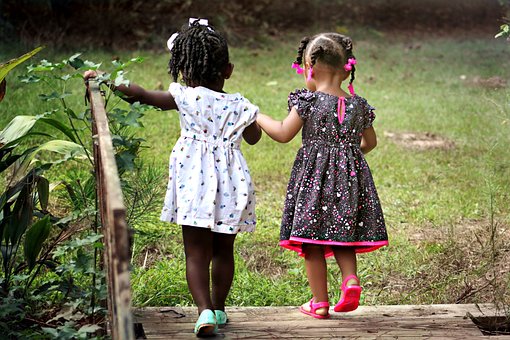
- Establish sight lines and intentional zones: arrange furniture to create clear paths and visible play zones so one teacher can monitor multiple areas without interrupting children's autonomy.
- Use role-based supervision: assign one adult to active-play oversight while another circulates to support individual work. Rotate responsibilities so adults can model both focused work and engaged play.
- Set up predictable routines and boundaries: clear expectations—such as where running is permitted, where quiet movement occurs, and how to use equipment—help children self-regulate and reduce conflict.
- Perform daily equipment and surfacing checks: inspect balance beams, low climbing elements, and loose parts for wear; keep assessment checklists and log findings to reduce injury risk and maintain program quality.
- Differentiate and scaffold movement opportunities: provide graded challenges (low beams, then narrower beams; stepping stones with varied spacing) so each child experiences success and appropriate risk.
- Document observations for individual learning goals: short observation notes on balance, bilateral coordination, turn-taking, or problem-solving during play inform curriculum scaffolding and family communication.
When planning, prioritize inclusion: adapt materials for children with mobility or sensory needs, give clear visual supports for rules, and provide quiet active options (e.g., yoga poses, tactile movement stations) so every child benefits from movement opportunities. For guidance on how Montessori principles can be adapted to support diverse learners, see Is Montessori Really for All?
Where can Montessori educators find practical resources and courses?
To effectively incorporate active play into the Montessori classroom, #educators can benefit from additional training and resources:
- Montessori Training: Explore the Inclusive Montessori: Supporting Diverse Learners in the Classroom Buy Now $16.00 offered by Montessori4Teachers.com to learn strategies for supporting a diverse range of learners.
- ChildCareEd courses: For program-ready ideas and planning tools, see Creating the Natural Outdoor Classroom Buy Now $16.00 and /courses-the-best-promotion-is-play-1.html (linked earlier) for activity ideas, curriculum ties, and assessment tips.
- Practical Tools: Access resources like the Outdoor play benefits for #preschool Buy Now $0.00 guide provided by ChildCareEd for ideas on incorporating physical activity into your program.
- Montessori for Toddlers: Fostering Independence and Learning For a concise overview of Montessori principles tailored to young children and practical classroom adaptations for toddlers, see Understanding Montessori Toddler Education.
- Tiny Tots, Big Learning: Crafting Curriculums for the Littlest Learners
- How motor skills shape child development and creative ways educators can foster them
- How Does Play Support Children’s Physical, Cognitive, and Social Growth?
- Why Does Outdoor Learning for Toddlers and Preschoolers Matter?
- How can I build gross motor skills indoors and outdoors for the children in my program?
How should teachers summarize the role of active play in Montessori classrooms?
Active play is an indispensable part of the Montessori classroom, supporting the development of the whole child. By integrating purposeful movement into daily activities, educators can create a dynamic learning environment that #nurtures physical, cognitive, and emotional #growth. With the help of targeted training and resources from Montessori4Teachers.com and ChildCareEd, #teachers can enhance their approach to active play and inspire children to embrace movement as a natural and joyful part of their lives.
- The Importance of Active Play in the Montessori Classroom
- Montessori and the Importance of Hands-On Education
- Understanding Intrinsic Motivation in Montessori Education
- Intrinsic Motivation in Montessori Education
- Focus on Nature and Real-World Experiences in Montessori Education
- The Purpose of Practical Life in Montessori Education
- Montessori Theory in Practice: Bringing Child-Centered Learning to Life
- Montessori for Adolescents: The Erdkinder Program
- Classroom Pets in Montessori Education
- Understanding Mindful Supervision in Montessori Settings
- Unlocking the Power of Practical Life: A Montessori Foundation
- Understanding the Basis and Benefits of Montessori Education
- Montessori & You: A Perfect Match?
- Montessori for Infants: Nurturing Independence from the Start
