In the Montessori educational approach, Practical Life activities form the cornerstone of a child's learning experience. Explore foundational trainings such as Montessori Foundations  Buy Now $10.00 and courses on classroom design like The Prepared Environment Buy Now $16.00 to deepen practical classroom application. These activities encompass everyday tasks that children observe in their surroundings, allowing them to #develop essential life skills through hands-on practice. Engaging in Practical Life exercises not only fosters independence but also cultivates concentration, coordination, and a sense of responsibility.
What Are Practical Life Activities?
Practical Life activities are tasks that mirror daily routines and responsibilities. They are designed to help children adapt to their environment and #culture, promoting self-sufficiency and confidence. These activities are typically divided into four main categories:
- Care of Self: Activities that teach children to manage their personal needs.
- Examples: Dressing, grooming, handwashing, and feeding themselves.
- Care of the Environment: Tasks that involve maintaining and respecting their surroundings.
- Examples: Sweeping, dusting, watering plants, and organizing shelves.
- Grace and Courtesy: Exercises that focus on social interactions and community #engagement.
- Examples: Greeting others, saying please and thank you, and waiting one's turn.
- Control of Movement: Activities that enhance motor skills and body awareness.
- Examples: Walking on a line, balancing exercises, and transferring objects carefully.
These categories collectively support the holistic #development of the child, preparing them for more complex academic and social challenges. For a broader discussion of the Montessori approach to holistic development, which situates Practical Life within cognitive, social, emotional, and physical growth, see the Montessori approach to holistic development.
What are the core purposes of Practical Life activities?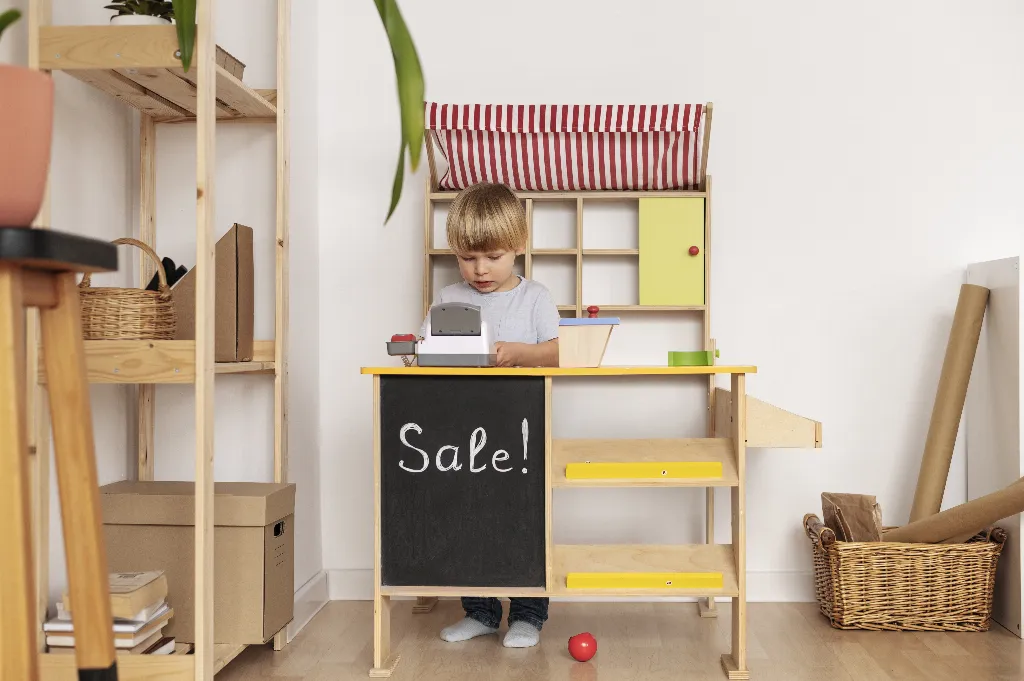
How do Practical Life activities develop independence?
From a young age, children exhibit a natural desire to perform tasks by themselves. Practical Life activities provide them with opportunities to fulfill this desire in a structured manner. By mastering tasks like buttoning a shirt or pouring water, children gain confidence in their abilities, leading to increased self-reliance.
How do Practical Life activities enhance motor skills?
Engaging in tasks that require precise movements helps children refine both gross and fine motor skills. For instance, using tongs to transfer objects strengthens hand muscles, which is essential for writing. Similarly, sweeping the floor involves coordinated large muscle movements, promoting physical development.
How do Practical Life activities foster concentration?
Practical Life activities are designed with a clear beginning, middle, and end, encouraging children to focus on the process. The repetitive nature of these tasks allows children to develop sustained attention, a skill that is crucial for academic success and daily life.
How do Practical Life activities instill a sense of order?
Children thrive in environments where there is consistency and order. Practical Life exercises often follow a specific sequence, helping children understand the importance of organization. This sense of order extends to their thought processes, aiding in logical reasoning and problem-solving.
How do Practical Life activities promote social skills?
Through Grace and Courtesy activities, children learn the nuances of social interactions. Role-playing scenarios, such as offering snacks to peers or politely interrupting, equip children with the tools to navigate social settings respectfully and confidently.
What are the long-term benefits of Practical Life activities?
The skills acquired through Practical Life exercises lay a strong foundation for future learning and personal development. Some long-term benefits include:
- Academic Preparedness: Enhanced concentration and fine motor skills prepare children for reading, writing, and mathematics.
- Problem-Solving Abilities: Engaging in tasks that require planning and execution fosters critical thinking.
- Emotional Regulation: Successfully completing tasks boosts self-esteem and teaches perseverance.
- Community Awareness: Participating in group activities cultivates a sense of belonging and responsibility toward others.
How do you prepare Practical Life materials and lessons in a Montessori classroom?
Preparing Practical Life materials and lessons requires attention to scale, order, and independence. Begin by selecting a single, clearly bounded task (for example, pouring water, using a spoon, or sweeping). Choose trays and tools that fit a child's hands and are visually simple: small jugs, low brooms, pointable tongs, and predictable containers. Arrange the material on a low shelf so the child sees only what is needed for that activity, and include a small cloth or mat to define the work area. For practical guidance on arranging, labeling, and rotating child-scaled activities on classroom shelves to support independent choice and sustained engagement, see organizing shelf work in Montessori classrooms.
When introducing the activity, demonstrate slowly and without words about intention—show the exact sequence, then step back and allow the child to try. Keep the presentation to one short demonstration and leave room for repetition. Observe quietly to identify whether the child needs a simpler version (larger handles, fewer pieces) or a refinement (smaller objects, more precision). Offer extensions when mastery appears: add a transferring tool, add counting or language labels, or introduce a related sequence that builds complexity.
Maintain consistent care of materials—repair or replace items promptly and keep a routine for washing, drying, and returning objects to their places. Use observation notes to track progress and to plan invitations that respect each child's sensitive periods and individual pace. These steps make Practical Life a scaffolded, observable pathway from simple actions to sustained concentration and independence.
How can parents and caregivers implement Practical Life activities at home?
Parents and caregivers can incorporate Practical Life principles into daily routines to reinforce learning:
- Involve Children in Household Chores: Encourage participation in tasks like setting the table, folding laundry, or gardening.
- Create Child-Friendly Spaces: Arrange accessible areas where children can independently retrieve and store their belongings.
- Model and Encourage Social Graces: Demonstrate polite behaviors and provide opportunities for children to practice them in real-life situations.
By integrating these practices, children can apply their skills in various contexts, reinforcing their learning and development.
How can families and programs assess when a child is ready to progress from one Practical Life task to the next?
Assessing readiness for progression involves focused observation and simple, consistent criteria. Look for sustained attention during the activity, decreasing need for adult prompts, smoother and more precise motor control, and evidence that the child corrects small errors independently. Keep brief observational notes: date, task, child's focused time, assistance level (1 = full help, 2 = partial help, 3 = independent), and next-step idea. Use those notes weekly to plan invitations that are slightly more challenging (smaller objects, longer sequences, or reduced visual cues) or to offer a new related task. Communicate observations with families so home practice and classroom invitations align. Observable criteria and consistent recording let programs make pedagogical decisions that respect the child's pace rather than shifting based on convenience or schedule.
Where can I find further resources on Practical Life and Montessori?
For #educators and #parents interested in deepening their understanding of Practical Life in Montessori education, the following ChildCareEd courses and articles are especially useful:
For a focused guide to implementing Practical Life activities, lesson progression, and practical classroom invitations, see Unlocking the Power of Practical Life: A Montessori Foundation.
- ChildCareEd Course: Montessori Assistant Training Buy Now $250.00 – foundational training for classroom assistants, including practical environment setup and child observation techniques. For those considering a role supporting Practical Life in the classroom, see our article Becoming a Montessori Assistant Teacher for an overview of responsibilities, typical qualifications, and practical next steps.
- ChildCareEd Course: Montessori Foundations Buy Now $10.00 – an overview of Montessori philosophy and the five key learning areas.
- ChildCareEd Course: The Prepared Environment: Montessori Class Design Buy Now $16.00 – practical guidance on arranging child-scaled spaces and materials.
- Article: What is Montessori? – context on Montessori philosophy and its goals.
- Article: Montessori for Toddlers: Fostering Independence and Learning – practical ideas for toddler Practical Life activities and transitions.
- Article: The Montessori Classroom: A World Designed for Discovery – descriptions of classroom zones and material presentation.
- Article: The Importance of Hands-On Learning in Montessori Education – evidence and rationale for tactile, sequential learning.
- Article: Montessori Education and Brain Development – links between Montessori practice and developmental neuroscience.
- Article: Understanding Montessori Toddler Education – guidance on adapting Practical Life activities for toddlers.
For a broader overview of Montessori's aims and benefits that helps contextualize Practical Life within the whole approach, see Understanding the Basis and Benefits of Montessori Education.
Engaging with these ChildCareEd courses and articles provides practical next steps for implementing Practical Life well in classrooms and homes.
What are the key takeaways about Practical Life in Montessori education?
Practical Life activities consistently cultivate independence, fine and gross motor control, sustained attention, social reciprocity, and a sense of responsibility. For practitioners, the priority is to present materials at child scale, model with brief demonstrations, and observe carefully to plan next invitations. At home, caregivers support generalization by creating accessible routines and offering consistent opportunities for responsibility. Use observation notes and shared communication with families to maintain continuity across settings.
How do Practical Life activities support long-term development and classroom goals?
Practical Life activities create a developmental scaffold: they build motor control, concentration, sequential thinking, and social reciprocity that transfer to literacy, numeracy, and cooperative learning. When consistently implemented, these exercises reduce incidental disruptions, support emotional regulation, and cultivate autonomous learners who can manage tasks, follow multi-step instructions, and show care for their environment. For programs, Practical Life is an investment in classroom culture: predictable routines and child-managed tasks free adults to offer targeted instruction and observation. For families, embedding similar activities at home strengthens generalization and continuity between settings. Together, these outcomes form a durable foundation for later academic work and civic responsibility.
- The Montessori Classroom: Theory to Practice
- Authentic Montessori in Action
- Montessori Foundations
- Understanding Montessori's Approach to Child Development
- Mastering Observation Techniques in the Montessori Classroom
- Intro to Montessori: Philosophy, Principles, and Practices
- Montessori Cultural Activities: Exploring the World Through Play and Learning
- Engaging Parents in the Montessori Toddler Classroom
- Mindful Supervision: Balancing Safety & Independence in Montessori
- The Montessori Work Cycle: Fostering Independence and Focus
- The Purpose of Practical Life in Montessori Education
- Understanding Normalization in Montessori Education
- Long-Term Benefits for Students: Montessori Education
- Shelf Work in Montessori Education: Encouraging Independence and Learning
- Focus on the Whole Child: The Montessori Approach to Holistic Development
- Unlocking the Power of Practical Life: A Montessori Foundation
- Montessori Magic: Why Parents Choose It & How Your Program Can Shine
- Montessori & You: A Perfect Match?
- Understanding Montessori’s Vision of Childhood
- Montessori for Infants: Nurturing Independence from the Start
- A Montessori Day: Calm, Curious, Connected
- Montessori Magic at Home: Tips for Every Age
- How to Set Up a Montessori Shelf at Home
- Everyday Montessori
- Montessori Magic: Bringing Practical Life Skills to Life Through Play
