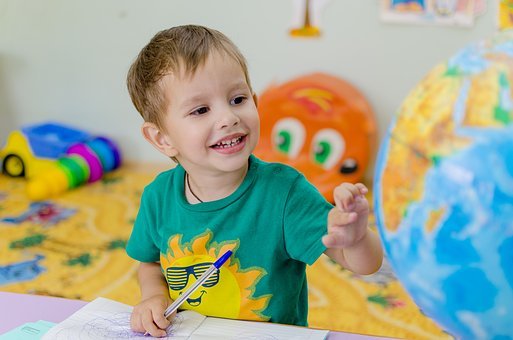
 In the Montessori #classroom, social studies education is seamlessly integrated into daily activities, fostering a deep understanding of the world among #early learners. This approach emphasizes hands-on, experiential learning, allowing children to explore #cultures, geography, history, and community roles in a manner that resonates with their natural curiosity.
Key Components of Montessori Social Studies Education
- Cultural Awareness: Children engage with materials that introduce them to various cultures, promoting respect and appreciation for diversity. Activities may include exploring traditional clothing, music, and customs from around the world.
- Geography Exploration: Through the use of tactile materials like puzzle maps and globes, children learn about continents, countries, and physical features of the Earth, enhancing their spatial awareness and global understanding.
- Historical Context: Storytelling and timelines are utilized to introduce historical events and figures, helping children grasp the concept of time and the progression of human #development.
- Community Roles: Role-playing and discussions about various professions and community helpers enable children to understand societal structures and the importance of different roles within a community.
Implementing Social Studies in the Montessori Classroom
To effectively incorporate social studies into the Montessori environment, #educators can utilize a variety of strategies:
- Thematic Units: Develop units that focus on specific cultures or geographical regions, integrating related art, music, and #language activities to provide a holistic learning experience.
- Interactive Materials: Utilize three-dimensional maps, cultural artifacts, and real-life objects to create tangible connections to abstract concepts.
- Field Trips and Guest Speakers: Organize visits to local cultural centers, museums, or invite community members to share their experiences, bringing real-world context to classroom lessons.
Professional Development Opportunities
Educators seeking to deepen their understanding of social studies instruction within the Montessori framework can benefit from specialized training. For instance, Montessori4Teachers.com offers a course titled "Inclusive Montessori: Supporting Diverse Learners in the Classroom  Buy Now $16.00," which provides insights into creating an inclusive environment that embraces cultural diversity.
Additional Resources
To further support the implementation of social studies activities, ChildCareEd provides a comprehensive article, "Exploring the World: Fun and Educational Social Studies Activities for Preschoolers," offering practical ideas and activities tailored for young learners.
Engaging with the Community
Staying connected with a community of educators can provide ongoing inspiration and support. ChildCareEd maintains an active presence on social media platforms, sharing valuable insights and resources related to #early-childhood-education:
- Instagram: https://www.instagram.com/childcareed/
- Pintrest: https://www.pinterest.com/ChildCareEd/
- Facebook: https://www.facebook.com/childcareed
- TikTok: https://www.tiktok.com/@childcareed
- X: https://x.com/childcareed
Conclusion
Integrating social studies into the Montessori classroom enriches the educational experience for early learners, fostering a sense of global awareness and community understanding. By utilizing hands-on materials, thematic units, and real-world connections, educators can create a dynamic learning environment that supports the holistic development of each child.
- Montessori Cultural Activities: Exploring the World Through Play and Learning
- Implementing the Montessori Curriculum
- Montessori Foundations
- Math Foundations in Early Childhood
- Mastering Observation Techniques in the Montessori Classroom
- Engaging Parents in the Montessori Toddler Classroom
- The Montessori Assistant's Toolkit
- Raising Peaceful Learners: The Montessori Advantage
