What Is the Montessori Approach?
Founded by Dr. Maria Montessori in the early 1900s, the Montessori method is a child-centered approach to education. It emphasizes respect for the child’s ability to learn independently and promotes self-directed activity within a thoughtfully prepared environment. The Montessori philosophy encourages children to explore, make choices, and engage with materials that support their natural development.
Unlike traditional educational systems, which often focus on direct instruction and uniform expectations for all children, Montessori #classrooms offer individualized learning experiences. This method recognizes that every child is unique and learns at their own pace, fostering a deep sense of autonomy and self-esteem.
What are the core principles of Montessori child development?
1. Respect for the Child:
At the heart of Montessori is the belief in respecting the child as a unique individual. Educators are trained to observe children closely to understand their needs, interests, and developmental stages, offering support where necessary and allowing them to explore independently.
2. Sensitive Periods:
Montessori identified certain "sensitive periods" in a child’s development when they are particularly open to learning specific skills or concepts. These periods are brief windows during which children absorb information from their environment rapidly. The course helps educators recognize and capitalize on these windows to guide learning in ways that are both timely and meaningful. For a deeper look at how these sensitive periods fit into Montessori's broader theoretical framework — including the Four Planes of Development and implications for designing nurturing environments — see Montessori's Four Planes of Development.
3. The Prepared Environment:
A key component of the Montessori method is the learning environment. Classrooms are designed to be orderly, structured, and filled with a variety of materials that are accessible to children. This encourages exploration, problem-solving, and learning through hands-on experiences. The course provides a thorough overview of how to create a space that supports curiosity and growth.
4. Self-Directed Learning:
Montessori classrooms give children the autonomy to choose their activities, fostering responsibility and decision-making skills. Educators guide rather than direct, providing opportunities for children to develop their own interests and pursue them with minimal intervention. The course emphasizes how this promotes lifelong learning and resilience. For concrete classroom techniques that encourage independence while supporting self-discipline and clear limits, see Montessori strategies for encouraging independence and self-discipline.
5. The Role of the Educator:
In Montessori settings, #teachers are often referred to as "guides" rather than instructors. Their role is to observe, understand, and facilitate the child’s development rather than impose information. They carefully introduce materials and concepts to ensure that learning remains stimulating, enjoyable, and relevant to each child’s developmental needs.
What does the course Understanding Montessori’s Approach to Child Development cover?
The course is ideal for anyone looking to deepen their understanding of how Montessori principles can be applied to child development. Whether you are a parent seeking to #nurture your child's independence, an educator wanting to adopt Montessori methods, or a childcare professional exploring new pedagogical approaches, this course offers essential knowledge and tools. Parents seeking concrete, family-focused strategies for bringing Montessori practices into daily routines may also appreciate our article Raising the Montessori Way: A Family Win.
Here’s a breakdown of what participants can expect:
- Foundations of Montessori: Understand the philosophy and history of the Montessori method, as well as its application in modern classrooms and #homes. See the companion course Montessori Made Simple: For Today's Teachers Buy Now $35.00 for practical implementation ideas.
- Child Development Stages: Learn about the cognitive, emotional, and physical development milestones that align with Montessori principles, allowing educators to cater to each stage appropriately.
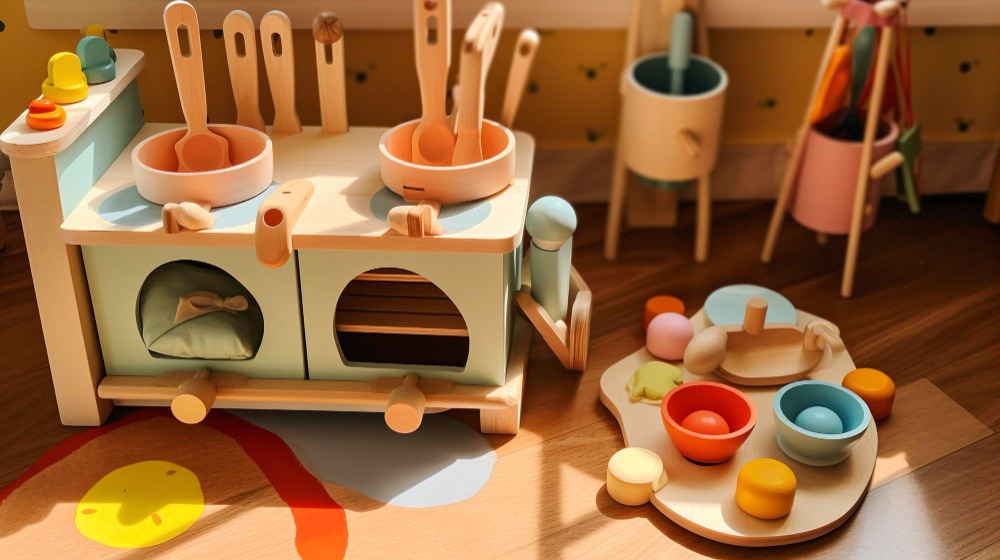
- Montessori Materials and Activities: Gain insight into the diverse range of materials used in Montessori settings, and learn how they facilitate various developmental goals, from motor skills to #language acquisition. For examples of specific didactic materials and practical guidance on selecting and introducing them to children, see Understanding Montessori Materials.
- Practical Strategies: Discover how to implement Montessori strategies effectively at home or in a childcare setting. This includes organizing learning spaces, encouraging independence, and using observation as a tool for guiding learning.
- Fostering Lifelong Skills: The course also emphasizes how Montessori education #nurtures the development of essential life skills, such as problem-solving, self-regulation, and social interaction.
Why Choose This Course?
-
A Holistic Understanding:
The course goes beyond theoretical knowledge and delves into practical application, offering a comprehensive understanding of how Montessori can shape a child’s development from infancy through #early-childhood.
-
Evidence-Based Approach:
Montessori’s effectiveness is backed by years of research in child development. This course provides participants with a solid foundation in understanding how Montessori aligns with modern psychological insights into how children learn and grow.
-
For Parents and Educators Alike:
Whether you're a teacher looking to incorporate Montessori principles into your classroom or a parent who wants to nurture a child's autonomy, this course provides valuable guidance for a wide audience.
-
Improved Child Outcomes:
By adopting Montessori methods, both parents and educators can help children develop a strong sense of self, a love of learning, and the confidence to approach challenges head-on.
What additional resources can I use?
Explore other training programs at ChildCareEd and Montessori4Teachers designed to enhance your professional development. Whether you are looking to improve your caregiving skills or learn about different educational philosophies, we have a range of resources available for your needs.
You can also check out our informative articles on child development below:
The Montessori approach to child development offers a unique, child-centered perspective on education that has stood the test of time. By understanding and implementing Montessori’s principles, caregivers and educators can create nurturing environments that allow children to thrive. The course Understanding Montessori’s Approach to Child Development equips you with the knowledge and practical strategies needed to support children's growth in a way that is engaging, respectful, and empowering. Whether you're working with young children in a classroom or at home, this course provides a solid foundation for fostering independent, confident, and capable learners.
Summary: How can I apply Montessori principles right away?
Apply Montessori principles with three immediate, practical steps: 1) Prepare an environment with clearly organized, accessible materials and predictable routines—small visual labels and low shelves help children choose and return activities independently. 2) Use observation to identify each child’s interests and sensitive periods; offer targeted materials and brief, demonstration-based introductions rather than prolonged instruction. 3) Support autonomy through consistent expectations, simple choices, and short cycles of uninterrupted work time; document progress and adjust the environment or materials to scaffold emerging skills. These actions create conditions for sustained concentration, intrinsic motivation, and gradual mastery.
 Buy Now $55.00 and companion trainings such as Montessori Made Simple: For Today's Teachers Buy Now $35.00 and The Prepared Environment: Montessori Class Design