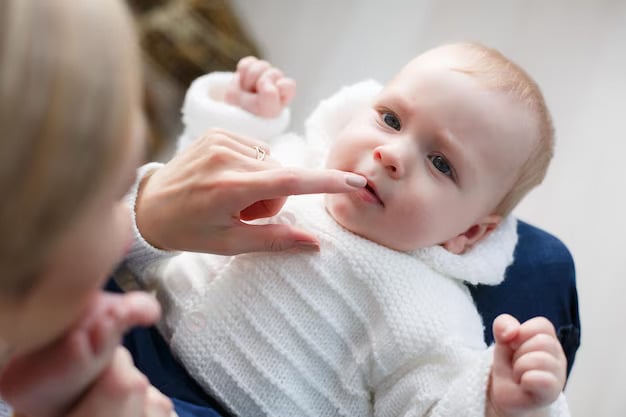
When most people hear “grace and courtesy,” they think of toddlers learning to say please and thank you, or preschoolers practicing how to politely interrupt a conversation. But in Montessori, grace and courtesy begin much earlier—right in the infant years. Educators who want to deepen their understanding of Montessori child development can explore Understanding Montessori's Approach to Child Development  Buy Now $55.00 and Positive Attention: Infants and Toddlers Buy Now $24.00; these trainings cover Montessori development and responsive infant-toddler interactions, respectively.
Yes, even babies are soaking up lessons about kindness, respect, and social interactions long before they can speak in full sentences. Let’s explore why starting #early matters, how these tiny lessons shape a child’s world, and how #educators and caregivers can deepen their practice through professional training.
What Does Grace and Courtesy Mean in Montessori?
Grace and courtesy are simply the social skills and respectful behaviors we use every day—things like:
-
Greeting others kindly
-
Waiting patiently
-
Saying please, thank you, or excuse me
-
Caring for others and the environment
In a Montessori setting, these lessons aren’t “taught” through lectures. Instead, they are modeled by adults and practiced naturally by children in real-life situations. For more context on Montessori's child-centered approach, see What Is Montessori?
Why Do Grace and Courtesy Lessons Begin in Infancy?
1. Babies Are Natural Absorbers
From birth to age three, children are in what Dr. Maria Montessori called the “absorbent mind” stage. They take in everything around them—language, gestures, tone of voice, and even the way adults interact with each other. Educators can learn more about developmental timing in Understanding Sensitive Periods in Montessori Education.
2. Early Respect Builds Security
When adults treat infants with respect—waiting for their attention before speaking, explaining what’s about to happen, or handling their bodies gently—it gives the child a sense of dignity. This respect is the foundation of grace and courtesy.
3. Toddlers Want to Belong
As babies grow into toddlers, their desire to be part of the community becomes strong. Grace and courtesy lessons help them learn how to participate—how to share space, take turns, or offer help. Related strategies for fostering social-emotional development are discussed in Development of Social and Emotional Skills in Montessori Education.
How Can Educators Model Grace and Courtesy for Infants and Toddlers?
These lessons Buy Now $0.00 show up in very small, everyday moments. For additional classroom examples, see Grace and Courtesy Activities for Montessori Classrooms:
-
Modeling Greetings: Waving hello and goodbye.
-
Taking Turns: Handing toys gently instead of grabbing.
-
Using Gentle Touch: Guiding a child’s hand softly if they reach out roughly.
-
Polite Language: Adults consistently using please and thank you, even with babies.
-
Respecting Space: Teaching toddlers to wait instead of pushing through a group.
They aren’t “formal lessons” but everyday interactions that build lifelong habits.
How Can Caregivers Make These Lessons Developmentally Appropriate?
Infant grace and courtesy is primarily a relational practice, not a demand for verbal manners. Adapt each interaction to the child’s cues, abilities, and temperament. Before lifting or repositioning an infant, approach calmly, make eye contact when the child is receptive, and narrate the next step in a warm, unhurried voice. Pause briefly to allow the infant to orient or respond; this communicates respect without expecting a response the child is not developmentally ready to give.
For mobile infants and toddlers, demonstrate the behavior you want to support rather than relying on abstract instructions. Use short, specific language such as “I’m waiting while your friend has a turn” or “You can hand the block to me.” Acknowledge the other child’s perspective while maintaining a clear safety boundary: “I won’t let you hit. You can tap my hand gently.” Model greetings and courteous phrases consistently, but do not require a child to say please, thank you, or hello on demand. Children learn through repeated observation, warm reciprocal interaction, and opportunities to participate.
During caregiving routines, invite participation at the child’s level: offer a choice between two suitable items, let an older infant hold a clean diaper, or give a toddler time to place a used cloth in the laundry basket. These small acts support agency and community membership. Keep routines predictable, allow time for transitions, and use respectful language even when a child cannot yet understand every word; tone, facial expression, and pace are also part of the interaction.
When conflict occurs, intervene promptly and calmly. Protect children from harm, describe what happened without labeling a child as “bad,” and show a simple alternative: “You both want the cup. I’ll keep it safe while we find another.” Toddlers may need adult support to wait, trade, or move to another activity; these skills develop gradually and are not evidence of deliberate rudeness. Consistent modeling and responsive guidance make everyday moments meaningful opportunities to practice respect.
How Can Educators Reflect on Their Grace and Courtesy Practice?
After a caregiving routine or peer interaction, consider whether the adult’s pace left the child time to respond, whether language was respectful and concrete, and whether expectations matched the child’s developmental capacity. Notice which routines invite authentic participation and which create avoidable waiting or pressure. Share observations with colleagues and families so that children encounter consistent, culturally responsive practices across settings. Reflection helps educators distinguish a genuine social-learning opportunity from compliance with an adult’s preference.
Professional learning can support this reflection. The existing Raising Peaceful Learners: The Montessori Advantage Buy Now $16.00 course describes Montessori principles, grace and courtesy, and peace education. Course participation supports professional learning; confirm any continuing-education recognition directly with the relevant organization before relying on it.
The Bigger Picture: Peace Education
Grace and courtesy lessons in infancy are more than teaching manners—they’re laying the foundation for peace education. When children learn respect, empathy, and kindness from day one, they develop foundations for cooperative interactions. For ideas on supporting these skills as children grow, read Teaching Empathy and Conflict Resolution the Montessori Way.
This is where professional #development can make a big difference for educators.
How Can Professional Learning Support Montessori Grace and Courtesy?
Raising Peaceful Learners: The Montessori Advantage Buy Now $16.00
If you’re passionate about guiding children toward independence, respect, and harmony, consider the course “Raising Peaceful Learners: The Montessori Advantage.”
This professional development course has been approved by the American Montessori Society (AMS) for continuing professional development hours.
Inside, you’ll:
-
Dive deep into the five guiding principles of Montessori, like respect for the child and the power of the prepared environment.
-
Explore how hands-on learning and individualized pacing #nurture #growth.
-
Learn the art of Grace and Courtesy, teaching children social skills that last a lifetime.
-
Discover how Peace Education helps young children practice conflict resolution and develop empathy.
By mastering these transformative principles, educators and caregivers can create vibrant, nurturing environments that inspire curiosity, independence, and a lifelong love of learning.
Summary: How Do Grace and Courtesy Lessons Begin in Infancy?
Grace and courtesy in Montessori begins with the adult’s daily interactions, long before infants can use polite words. Caregivers can communicate respect by narrating care routines, responding to children’s cues, modeling considerate language, and giving toddlers supported opportunities to participate. Keep expectations developmentally appropriate: demonstrate and guide social skills without requiring infants or toddlers to perform manners on demand. Consistent, responsive practice turns ordinary caregiving moments into meaningful experiences of respect, belonging, and community.
✨ Stay Connected!
For more resources, professional development, and inspiration, follow ChildCareEd.com on social media. Together, we can empower early learning leaders to guide brighter futures
