Latest Blog & News in English

Individualized Learning Approaches in Montessori Classrooms
02/12/2025Montessori education is widely known for its individualized learning approach, which tailors instruction to each child's unique needs, interests, and learning pace. Unlike traditional #classrooms that follow a standardized curriculum, Montessori classrooms allow #students to explore subjects at thei... Individualized Learning Approaches in Montessori Classrooms

Montessori: Respect for the Child
02/11/2025Montessori education is built upon the fundamental principle of respect for the child. Dr. Maria Montessori believed that children are naturally eager to learn and that treating them with dignity fosters confidence, independence, and a lifelong love for learning. Respecting the child means recognizi... Montessori: Respect for the Child
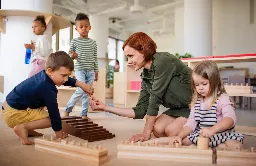
Montessori Education: Enhancing Listening, Comprehension, and Vocabulary Skills
02/10/2025The Montessori educational approach, #developed by Dr. Maria Montessori, emphasizes a child-centered learning environment that fosters natural #development. A key component of this method is the cultivation of #language-skills, particularly listening, comprehension, and vocabulary, which are foundat... Montessori Education: Enhancing Listening, Comprehension, and Vocabulary Skills

Montessori Materials for Children with Disabilities
02/07/2025The Montessori educational approach, #developed by Dr. Maria Montessori, emphasizes individualized learning through hands-on materials and a prepared environment. This method has proven effective for children with diverse abilities, including those with disabilities, by promoting independence, #sens... Montessori Materials for Children with Disabilities

Challenges of Implementing Montessori Education in Early Childhood Classrooms
02/05/2025The Montessori method has been widely recognized for its ability to foster independence, creativity, and a deep love of learning in young children. Unlike traditional education models, Montessori #classrooms prioritize hands-on learning, self-directed activities, and a carefully prepared environment... Challenges of Implementing Montessori Education in Early Childhood Classrooms

Montessori Education Across Cultural Contexts
02/05/2025The Montessori method, created by Dr. Maria Montessori in the early 20th century, is widely recognized for its child-focused approach, which prioritizes hands-on learning, independence, and respect for a child's natural cognitive and psychological growth. As this educational philosophy has spread ... Montessori Education Across Cultural Contexts

Assessing and Guiding Students in Montessori Education
01/30/2025Montessori education employs a distinctive approach to assessing and guiding #students, focusing on individualized learning and #development. Unlike traditional education systems that often rely on standardized testing, Montessori #educators utilize continuous observation and formative assessments t... Assessing and Guiding Students in Montessori Education
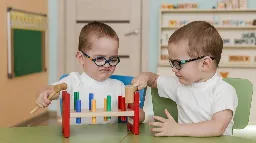
Montessori4Teachers Now Offers AMS-Approved Professional Development Courses
01/24/2025Professional #development is an essential component of maintaining excellence in #early-childhood education. We are thrilled to announce that Montessori4Teachers is now offering professional development courses approved by the American Montessori Society (AMS) for continuing professional development... Montessori4Teachers Now Offers AMS-Approved Professional Development Courses

Health and Hygiene in Montessori Education
01/27/2025Incorporating #health-and hygiene practices in the Montessori #classroom is essential for fostering a #safe and nurturing learning environment. By integrating these practices into daily routines, #educators can promote physical well-being and instill lifelong #healthy habits in children. The Import... Health and Hygiene in Montessori Education

Social Studies Instruction in the Montessori Classroom
01/23/2025In the Montessori #classroom, social studies education is seamlessly integrated into daily activities, fostering a deep understanding of the world among #early learners. This approach emphasizes hands-on, experiential learning, allowing children to explore #cultures, geography, history, and communit... Social Studies Instruction in the Montessori Classroom
