Latest Blog & News in English

🍂 What Makes September So Special in Montessori? 🍎
09/03/2025September always feels like a fresh start. The air is crisp, the leaves begin to show their warm autumn colors, and children walk into the #classroom with a sense of curiosity and excitement. In Montessori, September isn’t just another month—it’s a time of transition, #growth, and ... 🍂 What Makes September So Special in Montessori? 🍎

Can Everyday Tasks Make Your Child More Independent?
08/19/2025Have you ever watched a little one carefully pour water from a tiny pitcher into a cup without spilling? Or seen the pride in their eyes after buttoning their own shirt for the first time? These simple, everyday tasks aren’t just cute—they’re powerful tools for teaching independe... Can Everyday Tasks Make Your Child More Independent?

Why Montessori Kids Often Become Independent Thinkers
08/14/2025One of the most celebrated outcomes of a Montessori education is the #development of children who think for themselves, make thoughtful choices, and approach challenges with confidence. But what is it about the Montessori method that #nurtures such strong independence in thinking? The answer lies ... Why Montessori Kids Often Become Independent Thinkers
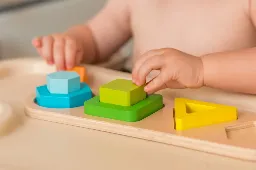
Why Is Montessori Education Effective for Social-Emotional Growth and Collaboration?
08/12/2025Social-emotional learning is such a vital part of a child’s #early #development. It helps children understand their feelings, connect with others, and find their way in the world around them. Montessori education, with its focus on the whole child, naturally supports this kind of #growth, ma... Why Is Montessori Education Effective for Social-Emotional Growth and Collaboration?

Concrete to Abstract: The Montessori Approach to Learning
03/20/2025The Montessori method of education is deeply rooted in the belief that children learn best through hands-on experiences. One of its funda #mental principles is the transition from concrete to abstract learning. This approach ensures that children first engage with physical, tangible materials before... Concrete to Abstract: The Montessori Approach to Learning

Purposeful Movement for Young Children
03/19/2025Introduction In Montessori education, movement is not just an outlet for energy—it is an integral part of learning. Young children #develop #gross-motor-skills through purposeful movement, which enhances both physical and cognitive #development. Unlike traditional #preschool settings where la... Purposeful Movement for Young Children

Montessori’s Inclusivity: Supporting Children with Diverse Learning Needs
03/18/2025Ensuring inclusivity in #early-childhood-education is essential to creating a learning environment where every child, regardless of their abilities, can thrive. The Montessori method, #developed by Dr. Maria Montessori, is widely recognized for its adaptability to diverse learning needs, making it a... Montessori’s Inclusivity: Supporting Children with Diverse Learning Needs

Understanding Accessibility in Montessori Education
03/11/2025Montessori education, founded by Dr. Maria Montessori, emphasizes individualized learning, hands-on experiences, and fostering independence in children. While its benefits are widely recognized, ensuring accessibility for all #students, including those with diverse learning needs, presents challe... Understanding Accessibility in Montessori Education

Montessori Assessment Methods
03/10/2025Montessori education emphasizes individualized learning, fostering independence, and nurturing a child's intrinsic motivation. Central to this philosophy is the unique approach to assessment, which contrasts with traditional educational models that often rely heavily on standardized testing and g... Montessori Assessment Methods

Understanding the Sensitive Period for Order
03/07/2025In Montessori education, the concept of "sensitive periods" refers to specific windows of time during a child's #development when they are particularly receptive to acquiring certain skills or knowledge. One such critical phase is the Sensitive Period for Order, which occurs from birth to approxi... Understanding the Sensitive Period for Order
