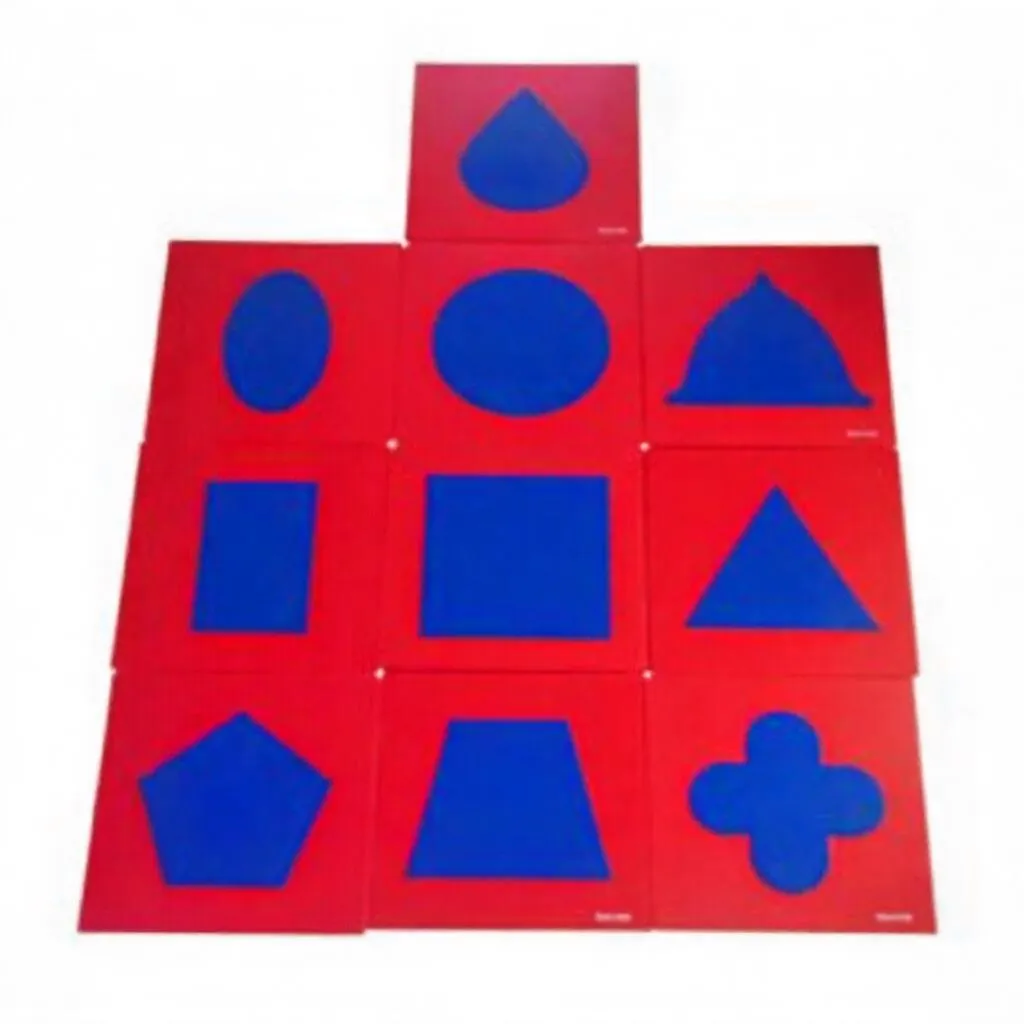
 The Montessori method is a revolutionary approach to education that emphasizes independence, hands-on learning, and respect for a child's natural #development. Developed by Dr. Maria Montessori in the #early 1900s, this method has transformed the way #educators and #parents view childhood learning. By fostering an environment where children are encouraged to explore, make choices, and engage in self-directed activities, Montessori education #nurtures curiosity, problem-solving skills, and a lifelong love of learning. Over a century later, Montessori principles continue to shape #early-childhood-education and influence #classrooms worldwide.
Origins of the Montessori Method
Maria Montessori's Early Life and Career
Born in 1870 in Chiaravalle, Italy, Maria Montessori was a trailblazer from an early age. She defied societal norms by becoming one of Italy's first female physicians, graduating from the University of Rome in 1896. Her medical background, particularly her work in psychiatry and pediatrics, laid the foundation for her interest in child development and education
Work with Children with Disabilities
Montessori's initial work involved children with cognitive disabilities. Observing that these children responded positively to #sensory-rich materials and activities, she concluded that educational methods could significantly enhance their development. This experience was pivotal in shaping her educational philosophy, emphasizing the importance of sensory experiences in learning.
Establishment of the First Casa dei Bambini
In 1907, Montessori opened the first "Casa dei Bambini" or "Children's House" in the San Lorenzo district of Rome. This innovative classroom served children aged three to six from underprivileged backgrounds. Montessori designed an environment tailored to the children's #developmental needs, featuring child-sized furniture and hands-on learning materials. The success of this initiative showcased the potential of her child-centered approach, leading to the establishment of additional Children's Houses across Italy.
Core Principles of Montessori Education
Child-Centered Learning
At the heart of the Montessori method is the belief that education should follow the child's natural development. Children are viewed as active participants in their learning journey, with educators serving as guides who facilitate exploration and discovery.
Prepared Environment
Montessori classrooms are meticulously prepared to encourage independence and #engagement. Features include:
- Child-Sized Furniture: Ensures accessibility and comfort.
- Hands-On Materials: Designed to develop specific skills and concepts.
- Orderly Arrangement: Promotes a sense of structure and discipline.
Mixed-Age Groupings
Montessori classrooms often consist of mixed-age groups, typically spanning three years. This structure fosters peer learning, with older #students mentoring younger ones, creating a collaborative learning environment.
Emphasis on Intrinsic Motivation
The Montessori method encourages intrinsic motivation by allowing children to choose activities that interest them. This autonomy #leads to deeper engagement and a lifelong love of learning.
Global Expansion and Adaptation
Introduction to the United States
Montessori education made its way to the United States in the early 20th century. By 1912, it had gained significant attention, leading to the establishment of numerous Montessori schools across the country. However, differing educational philosophies and critiques led to a decline in its popularity by the 1920s. The method experienced a resurgence in the 1960s, aligning with a growing interest in alternative education models.
Formation of the Association Montessori Internationale (AMI)
In 1929, Montessori founded the Association Montessori Internationale (AMI) to preserve the integrity of her educational approach and support its global implementation. AMI continues to #play a crucial role in #teacher training and curriculum development worldwide.
Montessori Education in Asia
During World War II, Montessori traveled to India, where she conducted teacher training courses and promoted her educational philosophy. Her work in India contributed to the method's spread throughout Asia, where it continues to influence educational practices.
Critiques and Challenges
Lack of Standardization
The term "Montessori" is not trademarked, leading to variations in how the method is implemented. This lack of standardization can result in inconsistencies in educational quality across different Montessori schools.
Adaptation to Traditional Education Systems
Integrating Montessori principles into traditional education systems poses challenges, particularly concerning standardized testing and curriculum requirements. Some educators and parents #express concerns about students' ability to transition from Montessori settings to conventional schools.
Enduring Legacy and Modern Relevance
Influence on Early Childhood Education
Many contemporary #early-childhood education practices, such as the use of child-sized furniture and emphasis on hands-on learning, have roots in Montessori principles. The method's focus on respecting children's autonomy and fostering intrinsic motivation has been widely adopted.
Montessori in Public Education
While often associated with private schooling, Montessori principles have been integrated into public education systems in various countries. This integration demonstrates the method's adaptability and relevance in diverse educational contexts.
Montessori Teacher Training
The demand for trained Montessori educators has led to the establishment of numerous training programs worldwide. Organizations like Montessori 4 Teachers offer professional development courses, such as the Montessori Assistant Training  Buy Now $250.00 program, equipping educators with the skills necessary to implement Montessori principles effectively.
Conclusion
The Montessori method, with its emphasis on child-centered learning, prepared environments, and respect for individual development, has left an indelible mark on global education. Over a century after its inception, Montessori education continues to inspire educators and parents, offering valuable insights into nurturing independent, motivated, and lifelong learners.
Additional Resources
Check out the article, The Purpose of Practical Life in Montessori Education.
Follow us on Facebook.
- Montessori Cultural Activities: Exploring the World Through Play and Learning
- Teach the Montessori Way: A Practical Guide
- Authentic Montessori in Action
- Montessori Unveiled: Demystifying the Method for Parents
- Understanding Montessori's Approach to Child Development
- Mastering Observation Techniques in the Montessori Classroom
- Engaging Parents in the Montessori Toddler Classroom
- Intro to Montessori: Philosophy, Principles, and Practices
- Raising Peaceful Learners: The Montessori Advantage
