The Montessori approach to #toddler education emphasizes nurturing a child's natural curiosity and independence during their formative years. Developed by Dr. Maria Montessori in the #early 20th century, this educational philosophy focuses on creating environments that foster holistic #development—cognitive, emotional, social, and physical. By understanding and implementing Montessori principles, #parents and #educators can provide #toddlers with a strong foundation for lifelong learning. For a deeper exploration of nurturing the whole child across cognitive, social, emotional, and physical domains, see our article on the Montessori approach to holistic development.
Core Principles of Montessori Education for Toddlers
Child-Centered Learning
Montessori education places the child at the center of the learning experience. This approach respects each toddler's unique #developmental timeline, allowing them to explore and learn at their own pace. By observing children's interests and needs, educators can tailor activities that promote #engagement and enthusiasm for learning.
Prepared Environment
A thoughtfully prepared environment is crucial in Montessori education. Classrooms are designed to be orderly, inviting, and accessible, enabling toddlers to navigate and choose activities independently. Child-sized furniture, open shelves with engaging materials, and designated areas for different types of activities encourage exploration and autonomy. This arrangement supports shelf work—deliberate presentation of materials on low shelves to promote independent selection and repeated practice—and you can read more about implementing effective shelf work in Montessori classrooms.
Hands-On Learning
Toddlers learn best through direct interaction with their environment. Montessori #classrooms provide hands-on materials that engage the senses and promote active learning. For example, activities like pouring water, sorting objects by size or color, and assembling #puzzles enhance fine motor skills and cognitive development.
Independence and Self-Discipline
Fostering independence is a cornerstone of the Montessori method. Toddlers are encouraged to perform tasks on their own, such as dressing, feeding, and cleaning up after activities. This empowerment builds self-confidence and instills a sense of responsibility. Over time, children develop self-discipline as they learn to manage their actions and make thoughtful choices.
Mixed-Age Grouping
Montessori classrooms often include mixed-age groups, typically spanning three years. This structure allows younger toddlers to learn from older peers, while older children reinforce their knowledge by mentoring younger classmates. Such interactions cultivate #empathy, cooperation, and a sense of community.
Implementing Montessori Practices at Home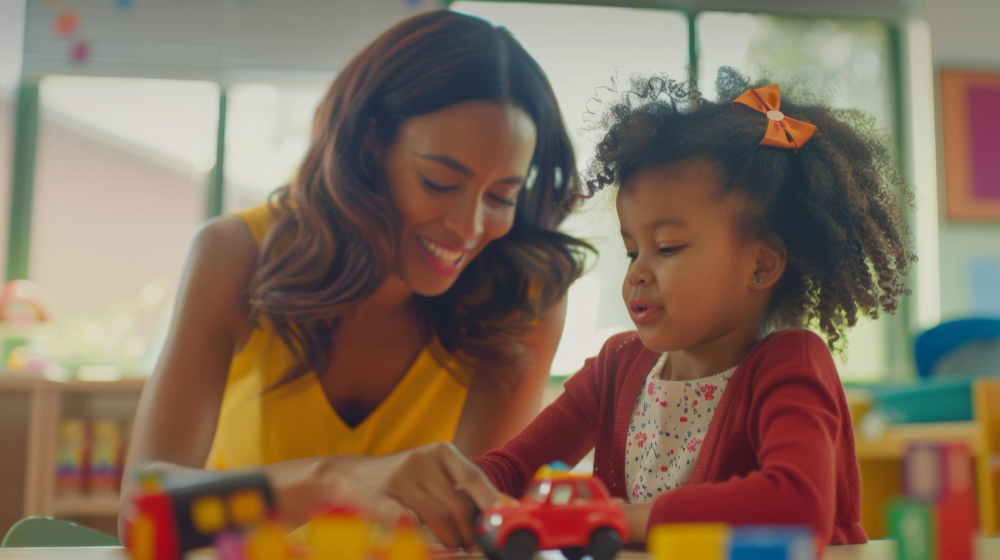
Parents can incorporate Montessori principles into daily routines to support their toddler's development. Here are some practical strategies:
- Create a Child-Friendly Space: Arrange areas in your #home where your toddler can #safely explore and access toys or learning materials independently.
- Encourage Practical Life Skills: Involve your child in everyday tasks like setting the table, watering plants, or sorting laundry. These activities enhance motor skills and teach responsibility. For specific activity ideas and step-by-step guidance on introducing Practical Life exercises that build independence and concentration, see Unlocking the Power of Practical Life: A Montessori Foundation.
- Offer Choices: Provide simple choices, such as selecting between two outfits or choosing a snack. This practice fosters decision-making skills and autonomy.
- Limit Distractions: Create a calm environment by reducing background noise and minimizing clutter, helping your toddler focus on the task at hand.
- Be Patient and Observant: Allow your child to attempt tasks independently, intervening only when necessary. Observing their interests can guide you in introducing new activities that align with their developmental stage.
Benefits of Montessori Education for Toddlers
Implementing Montessori principles offers numerous advantages for toddlers, including: The Transformative Power of Montessori provides a concise synthesis of how these benefits translate into long-term gains in independence, social competence, and a sustained love of learning.
- Enhanced Cognitive Skills: Hands-on activities promote problem-solving abilities and critical thinking.
- Improved Motor Development: Engaging with various materials refines both fine and #gross-motor-skills.
- Social and Emotional Growth: Collaborative environments teach empathy, patience, and effective communication.
- Love for Learning: Encouraging exploration and respecting a child's pace fosters intrinsic motivation and a lifelong passion for discovery. For research and practical strategies on how intrinsic motivation supports sustained engagement in early learners, see how intrinsic motivation drives engagement.
Montessori Resources and Training
For educators and parents interested in deepening their understanding of Montessori methods, Montessori 4 Teachers offers a wealth of resources and training programs. If you're considering a career in Montessori education, our ultimate guide to becoming a Montessori educator explains training pathways, certification options, and professional development steps.
- Training Opportunity: The "Montessori Assistant Training
 Buy Now $250.00" course provides comprehensive insights into supporting a Montessori classroom effectively. Details can be found here:
 - Educational Resource: The "Seven Key Principles of Self-Regulation for young children" course explores strategies to #nurture harmonious learning environments.
- Insightful Article: For a deeper dive into Montessori materials, read the article "Understanding Montessori Materials":
Conclusion
The Montessori approach to toddler education offers a holistic framework that respects and #nurtures a child's innate desire to learn. By creating supportive environments and embracing child-centered practices, we can empower toddlers to develop into confident, independent, and compassionate individuals.
For more insights and updates on Montessori education, follow us on Facebook.
- Unlock the Power of Montessori
- Applying Montessori Principles at Home: A Guide for Parents
- Development of Social and Emotional Skills in Montessori Education
- Montessori and the Importance of Hands-On Education
- Understanding Montessori Toddler Education
- The Purpose of Practical Life in Montessori Education
- Montessori Education for Toddlers
- Understanding Mindful Supervision in Montessori Settings
- The Transformative Power of Montessori
- Montessori Magic at Home: Tips for Every Age
- How to Set Up a Montessori Shelf at Home
- Everyday Montessori
