Latest Blog & News in English

Balance Freedom and Structure in the Montessori Early Childhood Classroom
01/31/2025In Montessori education, achieving a harmonious balance between #freedom and structure is essential for fostering children's independence, self-discipline, and love for learning. This equilibrium lets children pursue interests within a thoughtfully prepared environment, supporting both personal #gro... Balance Freedom and Structure in the Montessori Early Childhood Classroom

Looking for a Hands-On Hispanic Heritage Activity for Kids?
09/23/2025What better way to celebrate Hispanic Heritage Month than by bringing the flavors, colors, and traditions of Hispanic cuisine into the Montessori #classroom—or even your own kitchen? Food is more than just nourishment; it’s a bridge that connects children to #culture, family, and communi... Looking for a Hands-On Hispanic Heritage Activity for Kids?
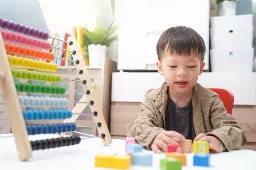
Montessori Education for 2-Year-Olds: A Path to Independence and Joyful Learning
03/19/2025Introduction Montessori education is widely known for fostering independence, creativity, and hands-on learning. For a deeper look at why hands-on learning is central to Montessori practice and how it supports early development, see the importance of hands-on learning in Montessori education. For 2... Montessori Education for 2-Year-Olds: A Path to Independence and Joyful Learning
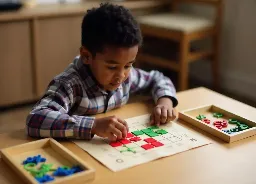
Cognitive and Neurological Studies on Montessori Learning
02/17/2025Introduction Montessori education has long been recognized for its child-centered approach that #nurtures independence, creativity, and problem-solving skills. But beyond the #classroom experience, cognitive and neurological studies have shown that Montessori learning has a profound impact on brain... Cognitive and Neurological Studies on Montessori Learning

Multi-Age Classrooms in Montessori Education
02/07/2025Montessori education is renowned for its distinctive approach to learning, with the multi-age #classroom as a central design choice. In these settings, children of varying ages learn together, which supports peer teaching, longitudinal observation, and individualized pacing. Two ChildCareEd courses ... Multi-Age Classrooms in Montessori Education

Common Misconceptions About Montessori Education
02/05/2025Montessori education centers on child-led learning, purposeful materials, and carefully prepared environments that enable independence. Many professionals and families still hold misconceptions about Montessori practice. The sections below answer the most common questions and show practical ways edu... Common Misconceptions About Montessori Education

Supporting Language and Literacy in the Montessori Classroom
01/21/2025Montessori classrooms place language and literacy at the center of the prepared environment. Two ChildCareEd courses offering concrete classroom techniques are Building Vocabulary and Reading Aloud and Storytelling. These short, practice-focused trainings show how to expand vocabulary, strengthen ph... Supporting Language and Literacy in the Montessori Classroom

Unlock the Power of Montessori
01/07/2025Unlock the Power of Montessori with "Authentic Montessori in Action" At Montessori4Teachers, we are dedicated to providing #educators with high-quality training that enhances their skills and understanding of #early-childhood-education. One of our standout courses, "Authentic Montessori in Act... Unlock the Power of Montessori
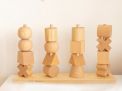
Understanding Montessori Materials
01/10/2025Understanding Montessori Materials: A Guide for Early Childhood Educators Montessori Made Simple and Montessori Assistant Training reflect the Montessori approach developed by Dr. Maria Montessori. Montessori education is a child-centered method that emphasizes hands-on learning, independence, and ... Understanding Montessori Materials

Montessori vs. Traditional Education: Key Differences and Benefits
02/11/2025Education #plays a fundamental role in shaping a child’s #development, but not all teaching methods are the same. Two of the most well-known approaches are Montessori education and traditional education. While both aim to provide children with knowledge and skills, their philosophies, #classro... Montessori vs. Traditional Education: Key Differences and Benefits
