Latest Blog & News in English
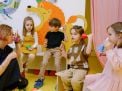
The “Yes” Environment: Cultivating a Positive Team Culture through Interactive Care Courses
12/10/2025Creating a joyful, empowering #early-learning environment begins long before children enter the #classroom. It starts with the adults — the caregivers, #teachers, and #staff who shape the emotional climate every day. When we talk about a “Yes Environment,” we’re talking about... The “Yes” Environment: Cultivating a Positive Team Culture through Interactive Care Courses

How Montessori Teachers Support Emotional Regulation in Foster Children?
09/29/2025Foster children often enter #classrooms with experiences of change, transition, and uncertainty. These life circumstances can impact how they regulate emotions, respond to #stress, and connect with others. As both a Montessori #teacher and a foster #parent, I’ve seen how the Montessori approac... How Montessori Teachers Support Emotional Regulation in Foster Children?
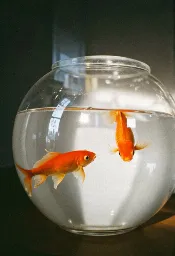
Classroom Pets in Montessori Education
03/06/2025Integrating #classroom pets into Montessori education enriches the learning environment by fostering responsibility, #empathy, and a deeper connection to the natural world. This practice aligns seamlessly with Montessori principles, promoting holistic #development in #students. For practi... Classroom Pets in Montessori Education

What Does October Offer to Montessori Childrens Learning?
09/29/2025October is here! The air feels crisp, the leaves are glowing with warm colors, and children can sense the excitement of a new season. For Montessori #educators, October isn’t just another month on the calendar—it’s a natural opportunity to weave seasonal changes into learning, spar... What Does October Offer to Montessori Childrens Learning?

Focus on Nature and Real-World Experiences in Montessori Education
02/24/2025Montessori education, #developed by Dr. Maria Montessori, emphasizes the importance of connecting children with nature and real-world experiences. See our Teach the Montessori Way: A Practical Guide and Creating the Natural Outdoor Classroom courses for practical classroom strategies. This approach ... Focus on Nature and Real-World Experiences in Montessori Education

Control of Movement: Enhancing Motor Coordination and Concentration
02/24/2025In Montessori education, the #development of motor coordination and concentration is funda #mental to a child's holistic #growth. Dr. Maria Montessori emphasized the significance of purposeful movement in learning, recognizing that refined motor skills are closely linked to cognitive development and... Control of Movement: Enhancing Motor Coordination and Concentration

Helping, Not Hovering: Supporting Toddlers During Everyday Tasks
11/13/2025If you’ve ever watched a #toddler fiercely insist, “I do it myself!” — only to spill a little water and beam with pride — then you’ve already glimpsed the heart of Montessori in action. In those tiny, messy, wonderful moments, children are doing more than learnin... Helping, Not Hovering: Supporting Toddlers During Everyday Tasks
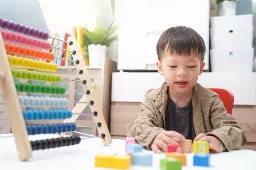
Sensitive Periods: A Window into a Child’s Superpower Moments
10/22/2025If you’ve ever watched a #toddler insist that their socks must be folded a certain way—or that the blue cup is the only acceptable cup—you’ve witnessed a Montessori “sensitive period” in full swing. These are magical windows of time when children are naturally dra... Sensitive Periods: A Window into a Child’s Superpower Moments

How Montessori Helps Build Mutual Respect Between Parent and Child💖
11/12/2025Have you ever noticed how your child lights up when they’re trusted to do something on their own? Whether it’s pouring their own juice, buttoning a shirt, or helping prepare a snack, that sense of independence is pure magic. Montessori education thrives on this exact principle — fo... How Montessori Helps Build Mutual Respect Between Parent and Child💖

What Are Montessori Practices, and Why Do They Work in Child Care Programs?
12/17/2025Montessori practices focus on #respect, independence, and hands-on #learning. Children are encouraged to explore at their own pace, make choices, and learn through real-life activities. These ideas work well in many child care settings—not just Montessori schools. You do not need special equi... What Are Montessori Practices, and Why Do They Work in Child Care Programs?
